
Knowing how to get rid of mice is essential for protecting your home, health, and peace of mind. Mice are not just a nuisance; they can damage wiring, contaminate food, and spread disease. Once they find shelter and food, they reproduce quickly, turning a small problem into a serious infestation.
This in-depth guide explains how to get rid of mice naturally, humanely, and effectively, whether they are hiding in walls, attics, or living spaces. Every method is explained with real-world logic, safety considerations, and long-term prevention strategies.
Why Mice Enter Homes and Why They Are Hard to Remove
Mice enter homes primarily for warmth, food, and safety. Even the cleanest houses can attract mice if there are small entry points or accessible food sources. A mouse can squeeze through a hole as small as a coin, making homes easy targets.
Once inside, mice build nests in hidden areas such as walls, attics, or behind appliances. Their nocturnal behavior makes detection difficult, and their rapid breeding cycle allows populations to grow unnoticed. Understanding these behaviors is the first step toward permanent removal.
How to Get Rid of Mice in Your House
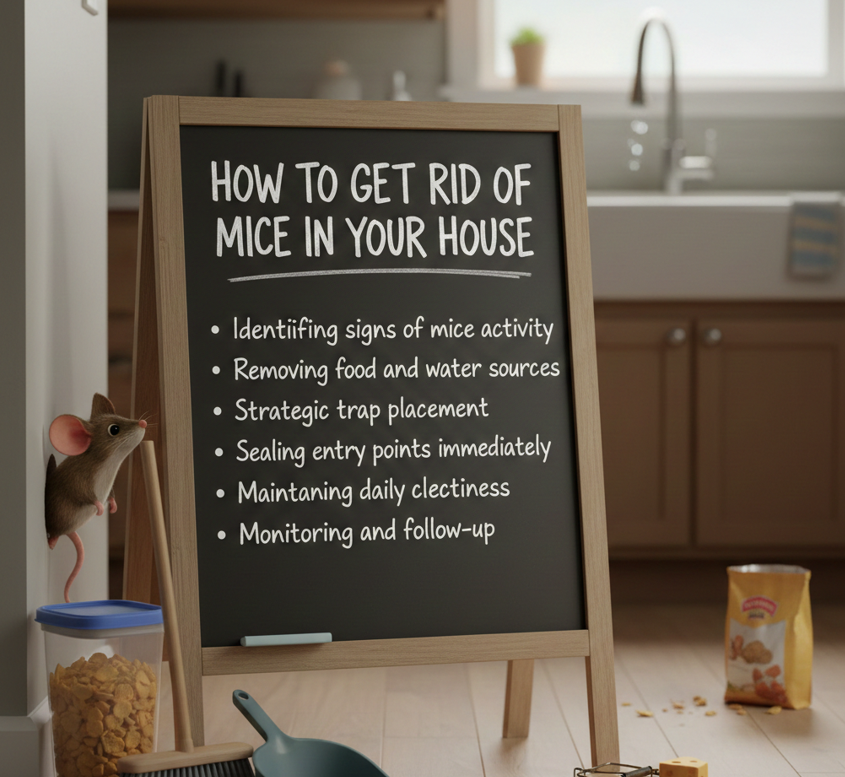
Getting rid of mice inside the living space requires a combination of elimination, sanitation, and prevention. Simply removing mice without addressing the root cause often leads to repeated infestations.
• Identifying signs of mice activity
Droppings, gnaw marks, scratching sounds at night, and food packaging damage are early indicators. Recognizing these signs early helps prevent a full infestation.
• Removing food and water sources
Mice rely heavily on accessible food. Storing food in sealed containers and cleaning crumbs removes their primary motivation to stay.
• Strategic trap placement
Placing traps along walls, behind appliances, and near entry points increases effectiveness, as mice prefer traveling along edges.
• Sealing entry points immediately
Closing gaps with steel wool, metal mesh, or sealant prevents new mice from entering while you eliminate existing ones.
• Maintaining daily cleanliness
Consistent cleaning disrupts mouse activity and discourages nesting behavior.
• Monitoring and follow-up
Regular inspections ensure the problem is fully resolved and does not return.
Also Read : How to Get Rid of Gnats: Effective Solutions for Your Home and Plants
How to Get Rid of Mice in Walls
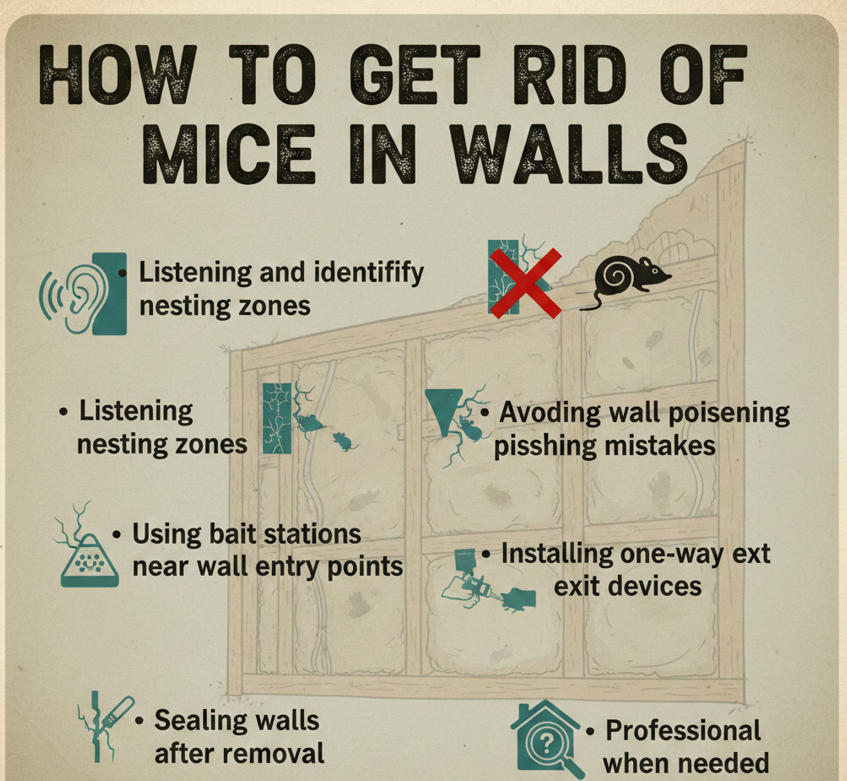
Mice in walls are particularly challenging because they remain hidden while causing noise, odors, and structural damage. Addressing this requires indirect but targeted strategies.
• Listening and identifying nesting zones
Scratching and squeaking noises help locate nesting areas inside walls.
• Using bait stations near wall entry points
Baits placed outside walls encourage mice to exit their hiding spots.
• Avoiding wall poisoning mistakes
Improper poison use can cause mice to die inside walls, leading to odor and hygiene issues.
• Installing one-way exit devices
Exclusion funnels allow mice to leave walls but prevent reentry.
• Sealing walls after removal
Permanent sealing ensures mice cannot return.
• Professional assessment when needed
Severe infestations may require pest control expertise to avoid structural damage.
Also Read : How to Measure Ring Size: Accurate Methods for Men and Women
How to Get Rid of Mice in the Attic
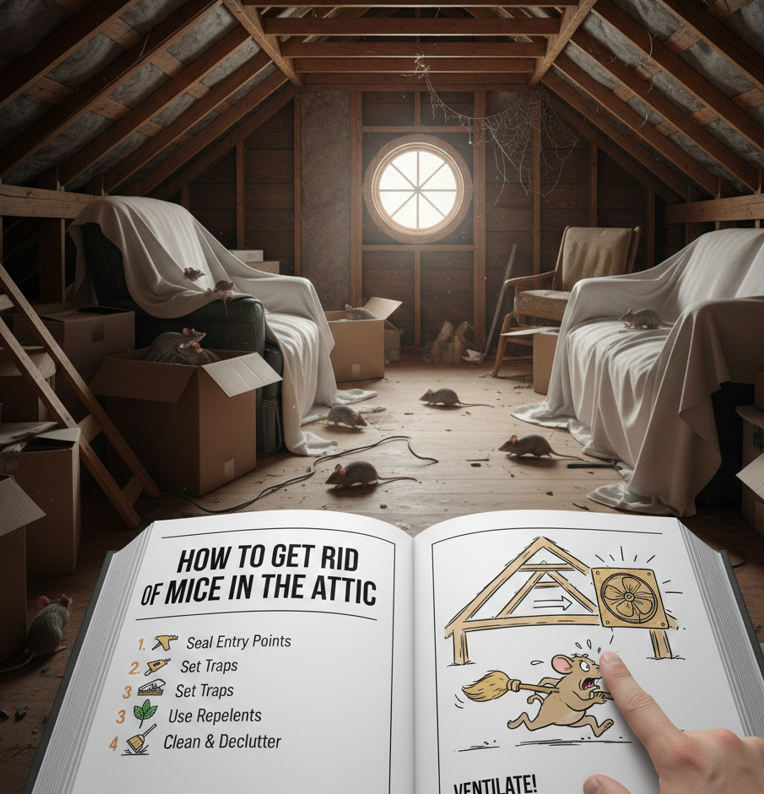
Attics provide ideal nesting environments due to warmth, insulation, and lack of disturbance. Effective attic control focuses on exclusion and cleanup.
• Inspecting insulation and nesting areas
Mice often burrow into insulation, reducing energy efficiency and increasing contamination.
• Placing traps along attic edges
Mice follow structural beams, making edge placement effective.
• Blocking roofline entry points
Gaps near vents and eaves are common entry points that must be sealed.
• Removing nesting materials
Old insulation and debris should be cleaned or replaced.
• Reducing attic warmth sources
Improving ventilation makes attics less attractive to rodents.
• Ongoing attic monitoring
Periodic inspections prevent reinfestation.
Also Read :- Brooke Schofield Age: Insights Into Her Life and Milestones
How to Get Rid of Mice with Home Remedies
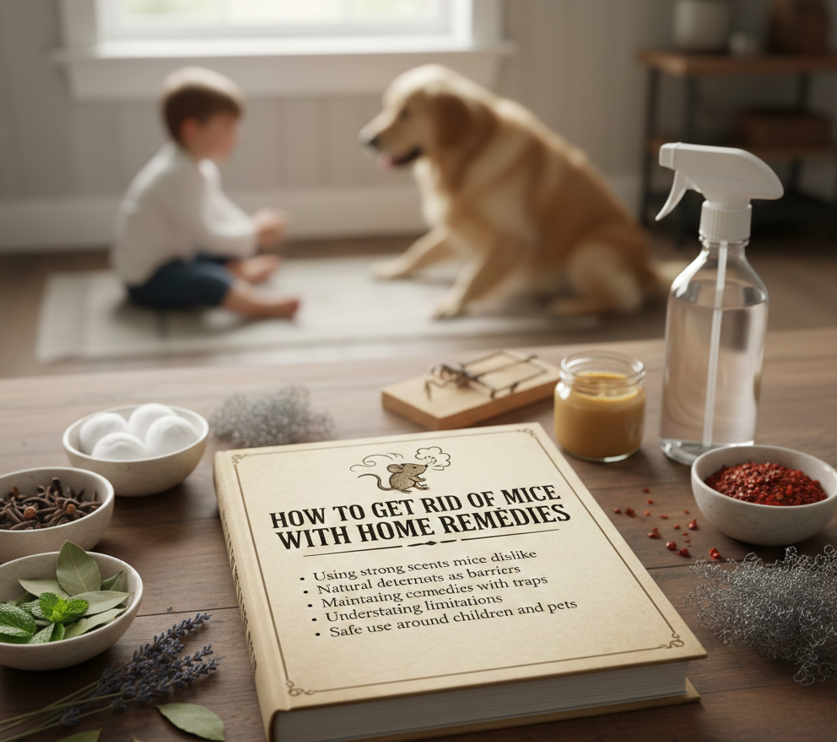
Home remedies appeal to homeowners seeking affordable and chemical-free solutions. While not always sufficient alone, they work well for mild infestations.
• Using strong scents mice dislike
Peppermint oil, cloves, and ammonia can disrupt mouse activity.
• Natural deterrents as barriers
Placing scent-soaked cotton near entry points creates discomfort.
• Maintaining consistency
Natural remedies require frequent reapplication to remain effective.
• Combining remedies with traps
Deterrents work best when paired with elimination methods.
• Understanding limitations
Home remedies deter but rarely eliminate established infestations.
• Safe use around children and pets
Natural methods reduce exposure to harmful chemicals.
Also Read :- Noah Schnapp Height: How Tall He Is and His Growth Over the Years
How to Get Rid of Mice Naturally
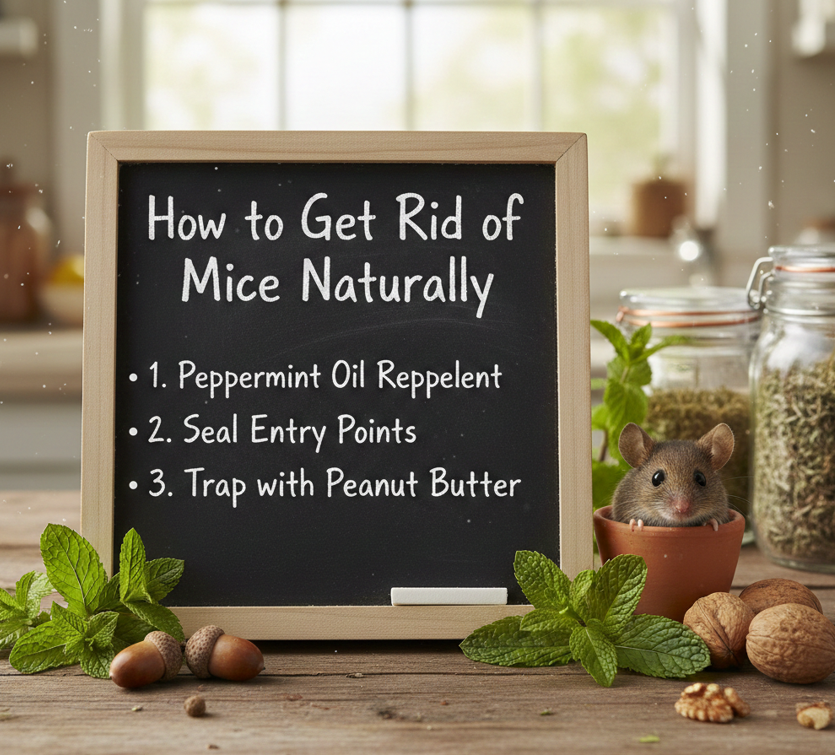
Natural methods focus on prevention, exclusion, and behavioral disruption rather than killing.
• Encouraging natural predators
Outdoor cats and owls help reduce mouse populations naturally.
• Landscaping adjustments
Removing dense vegetation near foundations reduces shelter.
• Using natural repellents consistently
Plant-based repellents discourage nesting.
• Sealing without chemicals
Physical barriers are the most reliable natural solution.
• Reducing attractants
Compost and pet food should be sealed tightly.
• Long-term ecological balance
Natural control minimizes environmental impact.
Also Read :- Gary Oldman Net Worth: How He Built His Hollywood Fortune
How to Get Rid of Mice Humanely

Humane mouse control prioritizes removal without unnecessary suffering, aligning with ethical and environmental values.
• Live traps with relocation
Live traps allow capture without harm when used responsibly.
• Proper release locations
Mice should be released far from residential areas.
• Avoiding glue traps
Glue traps cause prolonged suffering and are not humane.
• Reducing stress during capture
Frequent trap checks prevent distress.
• Preventing reentry after release
Humane control fails if homes are not sealed.
• Balancing ethics and effectiveness
Humane methods work best for small infestations.
Long-Term Prevention: Keeping Mice Away Permanently
Permanent mouse control depends on prevention rather than repeated removal.
• Routine home inspections
Early detection prevents infestations.
• Structural maintenance
Cracks and gaps should be sealed promptly.
• Food storage discipline
A mouse-proof kitchen discourages return.
• Waste management
Garbage should be sealed and removed regularly.
• Seasonal prevention steps
Fall and winter require extra vigilance.
• Education and awareness
Understanding mouse behavior improves prevention success.
Conclusion
Learning how to get rid of mice requires more than quick fixes. Effective control combines elimination, prevention, and understanding mouse behavior. Whether using natural remedies, humane methods, or structural solutions, consistency and vigilance are key.
By applying the strategies in this guide, homeowners can remove mice safely, protect their property, and prevent future infestations with confidence
FAQs
How do I know if I have mice?
Droppings, noises at night, and food damage are common signs.
What is the fastest way to get rid of mice?
Combining traps with sealing entry points is most effective.
Are natural methods enough?
They work for small infestations but may not stop large ones.
Is it safe to use poison?
Poison can cause secondary hazards and is not recommended indoors.
Can mice come back after removal?
Yes, if entry points and food sources are not addressed
Visit For More Information Go To entrepreneurideas