
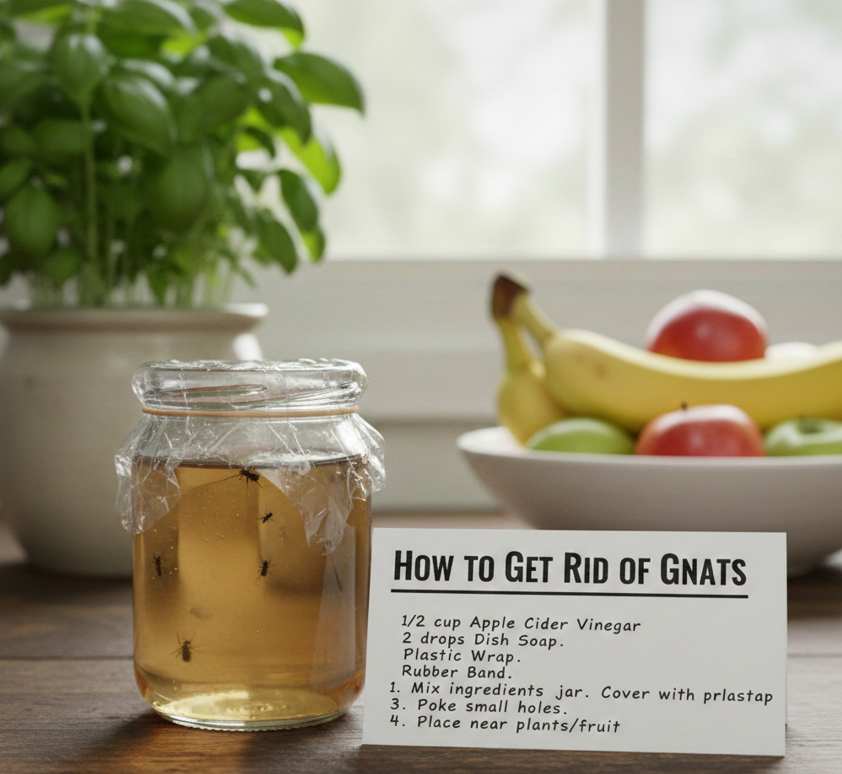
Gnats are tiny, annoying insects that seem harmless at first, but when they invade your home, plants, or kitchen, they quickly become a persistent nuisance. Knowing how to get rid of gnats effectively can save your houseplants, prevent infestations, and maintain a clean, healthy home environment.
These small flies often appear around damp soil, overripe fruit, or moist areas in kitchens and bathrooms. While gnats do not bite like mosquitoes, their presence is irritating and can indicate hygiene or moisture issues. This guide provides step-by-step solutions for getting rid of gnats inside the house, on plants, and outdoors, using natural, chemical-free remedies, as well as more advanced techniques for persistent infestations.
Why Gnats Appear in Your Home
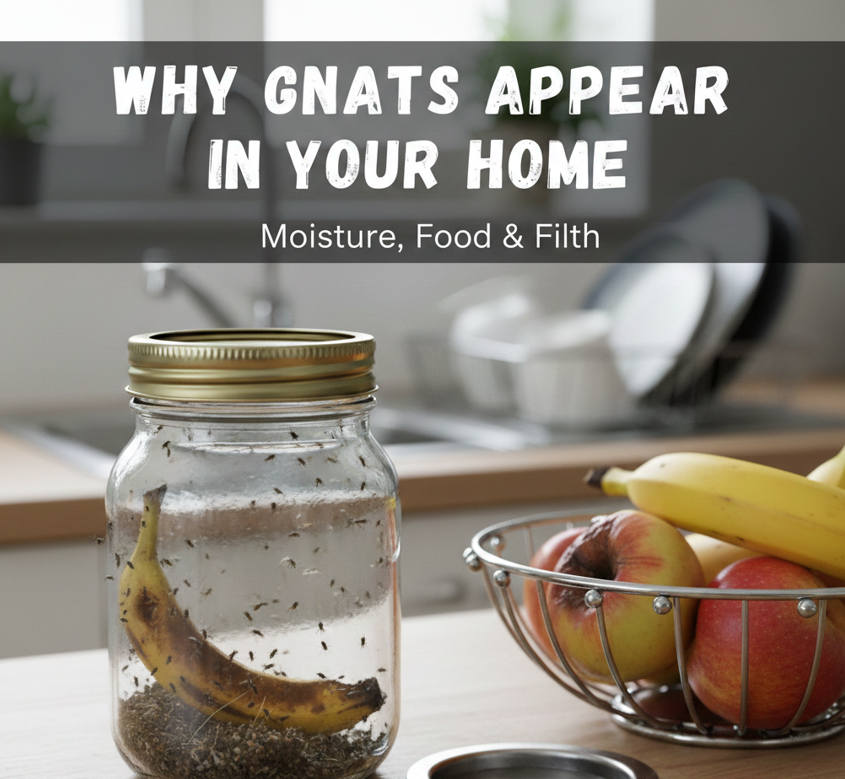
- Overwatered Houseplants
Gnats, especially fungus gnats, thrive in moist soil. Overwatering your plants creates the perfect breeding ground for them. The larvae feed on roots, which can harm plant growth over time. - Decaying Organic Matter
Fruit, vegetables, and leftover food in kitchens attract gnats. Fruit flies and small gnats feed on fermenting sugars, making your kitchen a hotspot if you leave produce out. - Moisture and Drain Issues
Bathrooms, sinks, and drains can become breeding sites if water pools or soap scum accumulates. Drain flies and gnats find these areas ideal for laying eggs. - Outdoor Sources
Gardens, compost piles, and damp mulch provide outdoor gnats a place to thrive. Open windows or doors can allow these insects to enter your home. - Seasonal Factors
Warm, humid weather accelerates gnat reproduction. During spring and summer, populations can multiply rapidly, requiring more active control measures.
Also Read : How to Measure Ring Size: Accurate Methods for Men and Women
Identifying Different Types of Gnats
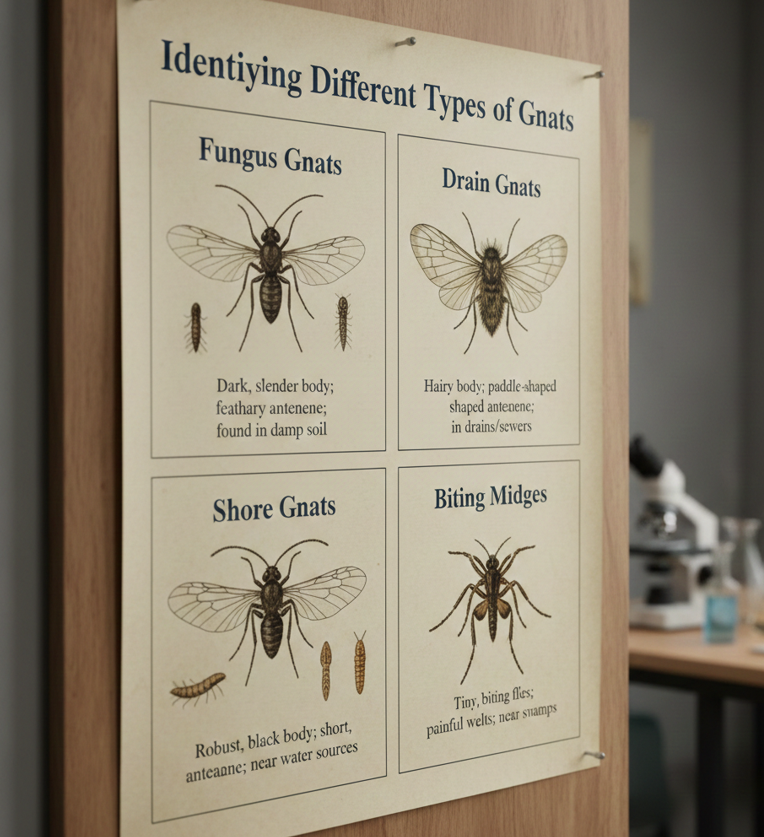
Before treating gnats, it’s essential to identify the type, as solutions vary:
1. Fungus Gnats
- Small, black flies around houseplants.
- Larvae live in damp soil and feed on plant roots.
- Indicate overwatering or poor drainage.
2. Fruit Flies (Drosophila melanogaster)
- Tiny, reddish-brown flies around overripe or fermenting produce.
- Reproduce quickly in kitchen trash, compost, or fruit bowls.
3. Drain Flies (Psychodidae)
- Moth-like, fuzzy appearance.
- Found in sink drains, shower drains, and other damp areas.
- Larvae feed on organic material in plumbing.
4. Outdoor Gnats
- Often found near damp soil, compost, or standing water.
- Can invade indoors through open doors and windows.
Identifying the gnat type is crucial for choosing the right method to get rid of them quickly and effectively.
Also Read : Brooke Schofield Age: Insights Into Her Life and Milestones
How to Get Rid of Gnats in Your House Quickly
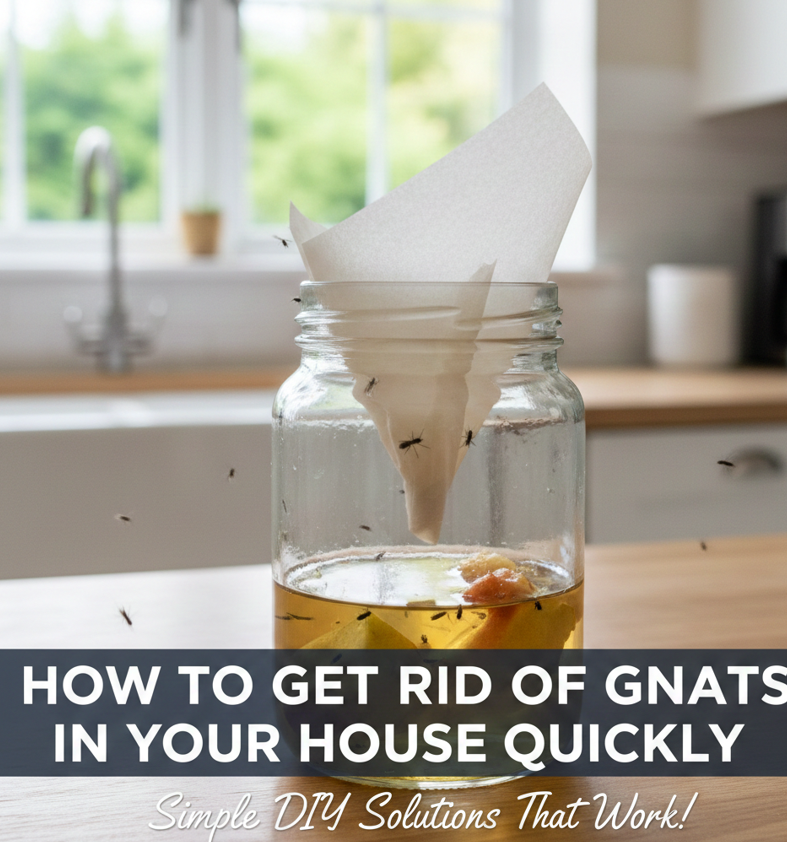
- Clean Kitchen and Trash Areas
Remove overripe fruits, empty trash cans, and sanitize surfaces. Gnats are attracted to fermenting sugars, so keeping surfaces clean drastically reduces their food source. - Use Apple Cider Vinegar Traps
Pour apple cider vinegar into a small bowl, add a drop of dish soap, and leave it near infested areas. The vinegar attracts gnats, while the soap traps them. For households avoiding vinegar, alternatives like wine or fruit juice can work. - Dry Out Damp Areas
Fungus gnats breed in wet soil, while drain flies prefer standing water. Reduce moisture in potted plants, fix leaky faucets, and clean drains regularly. - Use Sticky Traps
Yellow sticky cards attract adult gnats. Place near plants or kitchens to catch flies before they reproduce. - Vacuum or Fan Them Out
A handheld vacuum can catch flying gnats quickly. Using fans in infested rooms also helps disperse adults and prevents them from landing on surfaces.
Also Read : Noah Schnapp Height: How Tall He Is and His Growth Over the Years
How to Get Rid of Gnats in Plants Naturally

- Let Soil Dry Out
Fungus gnats require moist soil. Allowing the top 1–2 inches to dry discourages larvae from surviving and prevents adult flies from laying eggs. - Sand or Gravel Top Layer
Covering the soil surface with sand or fine gravel creates a barrier, preventing adults from reaching the soil to lay eggs. - Beneficial Nematodes
These microscopic organisms can be applied to the soil. They attack gnat larvae naturally, reducing populations without harming plants. - Neem Oil or Hydrogen Peroxide
A diluted neem oil solution sprayed on soil or a hydrogen peroxide-soaked watering can kill larvae effectively. These methods are chemical-free and safe for indoor plants. - Yellow Sticky Traps Near Plants
Adult gnats are attracted to the color yellow. Placing sticky traps near plants can capture flying adults, stopping reproduction.
How to Get Rid of Gnats in the House with Home Remedies
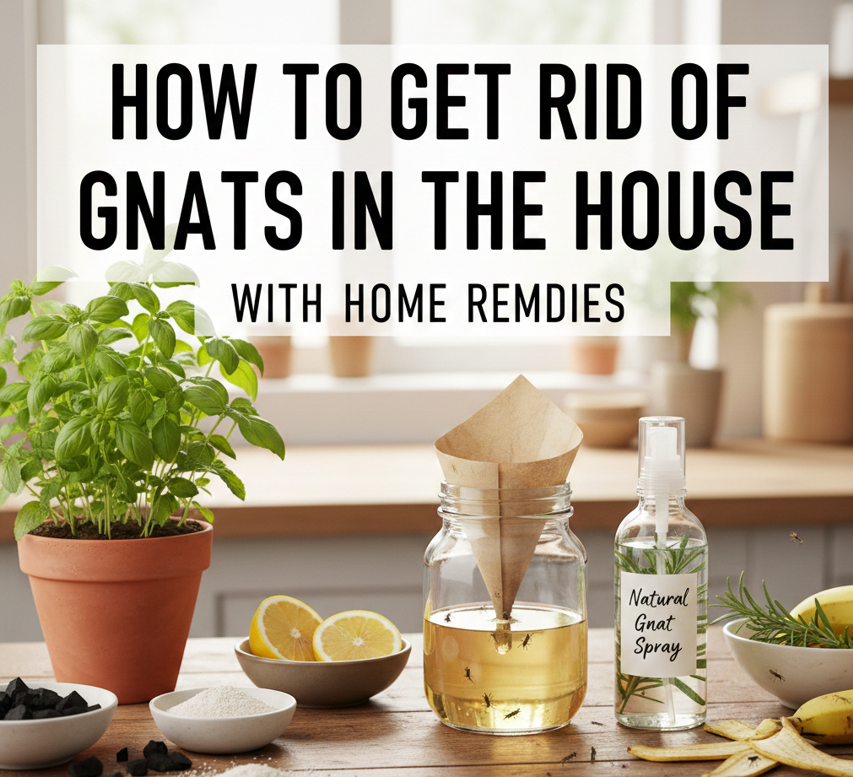
- White Vinegar Trap
Fill a small container with white vinegar, add a few drops of dish soap, and leave it on the counter. Gnats are attracted to the vinegar and will get trapped in the solution. - Fruit Bowl Trap
Place a small piece of overripe fruit in a jar covered with plastic wrap with small holes. Gnats will enter but cannot escape. - Essential Oils
Peppermint, eucalyptus, and tea tree oils repel gnats. Mix a few drops with water and spray in infested areas for natural deterrence. - Salt for Soil
Sprinkling a thin layer of salt on top of plant soil can help kill gnat larvae by drying them out. Avoid excessive use to prevent harming the plant. - Boiling Water for Drains
Pour boiling water down sink drains weekly to kill any larvae in plumbing, preventing drain fly infestations.
Also Read : Gary Oldman Net Worth: How He Built His Hollywood Fortune
How to Get Rid of Gnats in Kitchen

- Eliminate Standing Water
Empty sink basins, clean dishwasher filters, and remove any stagnant water. - Store Produce Properly
Refrigerate fruits and vegetables prone to fermentation, such as bananas, berries, and tomatoes. - Clean Garbage Disposal and Trash Cans
Gnats can breed in food residue. Use baking soda, vinegar, or soap to scrub bins and disposal areas regularly. - Use Vinegar or Wine Traps
Place small vinegar traps near fruit bowls or trash bins to attract and trap gnats. - Air Circulation
A small fan in the kitchen can prevent gnats from lingering around counters and produce.
Also Read : Chase Stokes Height: A Comprehensive Look at His Life and Career
How to Get Rid of Gnats Outside

- Eliminate Standing Water
Drain puddles, empty planters, and fix irrigation issues to remove breeding grounds. - Compost Management
Cover compost bins or turn compost regularly to reduce gnats. - Use Outdoor Traps
Place vinegar or sticky traps near patios, gardens, or mulch areas. - Introduce Natural Predators
Ladybugs, predatory nematodes, and beneficial insects can help control outdoor gnat populations. - Mulch and Soil Treatment
Avoid over-mulching. Use dry mulch on top of soil and water plants appropriately to reduce fungal growth that attracts gnats.
How to Get Rid of Gnats Fast
- Combine Multiple Methods
Use vinegar traps, sticky cards, and essential oil sprays together for faster results. - Target Breeding Sites
Address moisture issues, decaying fruits, and drain residues immediately. - Repeat Treatments
Gnats reproduce quickly. Reapply traps and treatments every few days until the population is under control. - Clean Windows and Doorways
Prevent new gnats from entering your home by sealing gaps and using insect screens. - Monitor Plants and Soil
Check houseplants regularly for signs of larvae and overwatering. Catch infestations early for quicker eradication.
Preventing Gnats from Returning
- Proper Plant Watering
Water only when soil is dry to prevent fungus gnat breeding. - Seal Food and Trash
Always cover compost, store fruit in the fridge, and empty trash regularly. - Maintain Clean Drains
Clean sink drains and garbage disposals weekly with boiling water or vinegar. - Use Repelling Plants or Oils
Basil, lavender, and peppermint plants repel gnats naturally when placed indoors. - Inspect New Plants
Check for larvae or pests when introducing new plants to your home to prevent infestations.
Conclusion
Gnats are more than just a minor annoyance—they signal excess moisture, decaying food, or unclean areas. Learning how to get rid of gnats effectively requires understanding their breeding habits, targeting specific areas like kitchen, plants, or drains, and combining multiple control methods. Natural remedies such as vinegar traps, essential oils, and soil management work effectively for small infestations, while persistent populations may require more targeted interventions.
By cleaning, monitoring, and preventing moisture buildup, you can reclaim your home, kitchen, and plants from gnats while keeping them away for the long term
FAQs About Getting Rid of Gnats
Q1: How do I get rid of gnats in houseplants naturally?
Let the soil dry, use sand on top of pots, apply neem oil or hydrogen peroxide, and set sticky traps nearby.
Q2: Can I get rid of gnats with white vinegar?
Yes, vinegar traps attract gnats, and dish soap in the solution prevents them from escaping.
Q3: How long does it take to get rid of gnats?
With consistent cleaning, traps, and moisture control, noticeable improvement can occur in 3–7 days.
Q4: Are gnats harmful to humans?
Generally, no. They do not bite, but they can contaminate food and stress plants.
Q5: Can I prevent gnats permanently?
Preventing gnats involves proper sanitation, plant care, moisture control, and regular monitoring. While difficult to eliminate permanently, good practices greatly reduce infestations
Visit For More Information Go To entrepreneurideas