
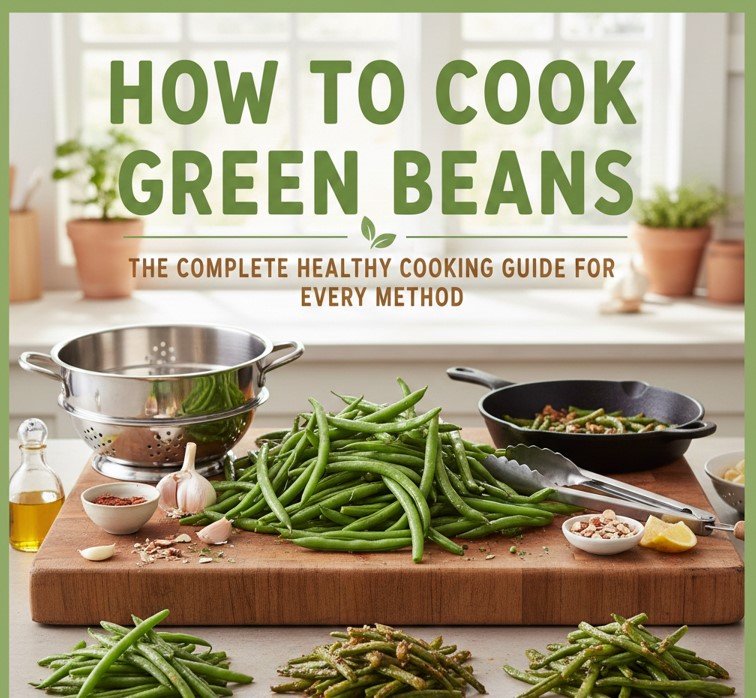
Green beans are one of the most versatile, affordable, and nutrient-dense vegetables found in kitchens worldwide. Yet, despite their simplicity, many people struggle with how to cook green beans properly without ending up with soggy, bland, or overcooked results. When prepared correctly, green beans can be crisp-tender, flavorful, and packed with vitamins that support heart health, blood sugar control, and digestion.
From quick weeknight meals to diabetic-friendly diets and gourmet side dishes, understanding how to cook green beans using different methods allows you to preserve nutrients, enhance taste, and match cooking styles to your health goals. This guide draws on culinary experience, nutrition science, and trusted cooking practices to give you reliable, step-by-step insight into every major cooking technique.
How to Cook Green Beans on Stove
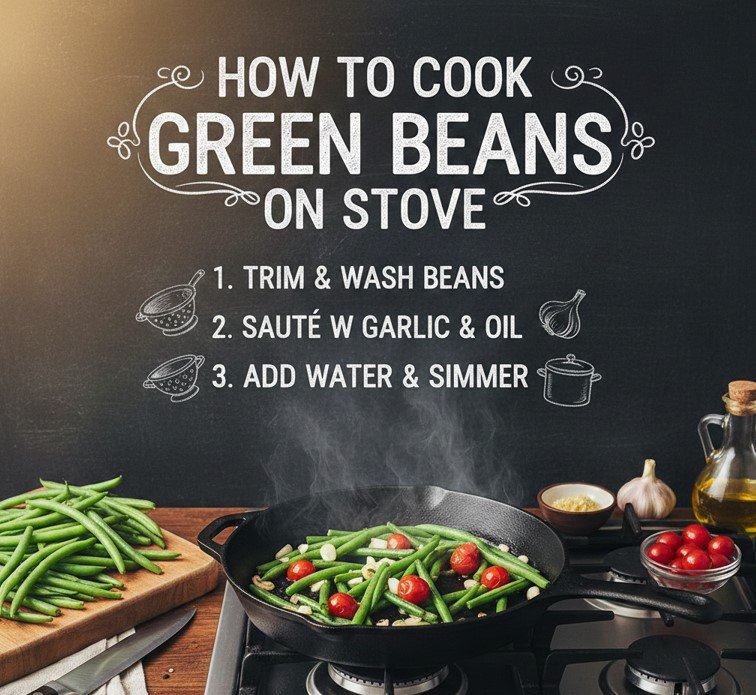
Cooking green beans on the stove is one of the most traditional and widely used methods because it offers precise heat control, fast cooking time, and customizable flavor development. This technique is ideal for retaining texture while enhancing taste with herbs, aromatics, or healthy fats.
Key Principles of Stove-Top Green Bean Cooking
• Choosing the right beans
Fresh green beans should be firm, bright green, and snap easily. Older beans tend to cook unevenly and develop a fibrous texture, making even proper stove cooking less effective.
• Proper trimming and washing
Removing the stem ends and washing beans thoroughly eliminates grit and ensures even cooking. Leaving beans wet helps create steam during the cooking process.
• Blanching vs direct sautéing
Blanching briefly in boiling water before sautéing helps preserve color and nutrients, while direct sautéing produces a deeper, roasted flavor.
• Using minimal water
Excess water causes nutrient loss, especially vitamin C and folate. Steaming or shallow boiling protects nutritional integrity.
• Seasoning at the right time
Salt added too early can draw out moisture and soften beans prematurely. Light seasoning during cooking and final seasoning at the end yields better texture.
• Monitoring doneness carefully
Perfect green beans should be tender but still slightly crisp. Overcooking results in olive-green color and mushy texture.
Also Read : How to Tame a Silver Fox: Complete Movie Guide, Story, and Viewing Options
How to Cook Green Beans in a Pan
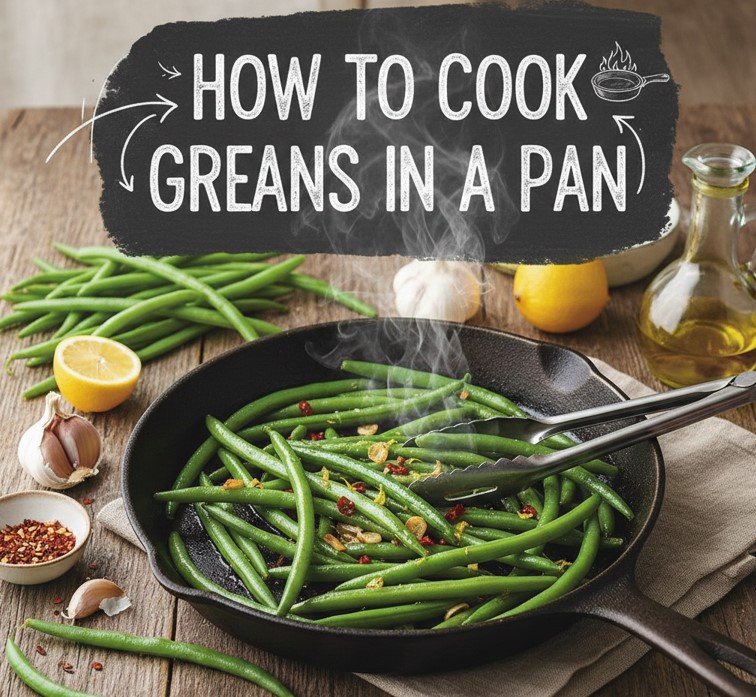
Pan-cooked green beans develop caramelization and depth of flavor that boiling alone cannot achieve. This method is popular in Mediterranean and Asian cuisines because it allows oils, garlic, and spices to coat each bean evenly.
Essential Pan-Cooking Techniques
• Using the correct pan size
Overcrowding causes steaming instead of sautéing. A wide pan ensures even heat distribution and browning.
• Choosing healthy fats
Olive oil, avocado oil, or sesame oil withstand moderate heat and complement green beans’ natural flavor.
• Heat control matters
Medium-high heat allows beans to blister slightly without burning, creating texture contrast.
• Layering aromatics properly
Adding garlic or onions after beans prevents bitterness and preserves aroma.
• Deglazing for extra flavor
A splash of broth or lemon juice lifts browned bits from the pan, enriching taste without excess calories.
• Finishing with herbs or seeds
Fresh herbs, sesame seeds, or almonds enhance nutritional value and visual appeal.
Also Read : How to Play Pickleball: The Ultimate Step-by-Step Guide for Beginners
How to Cook Green Beans in Oven
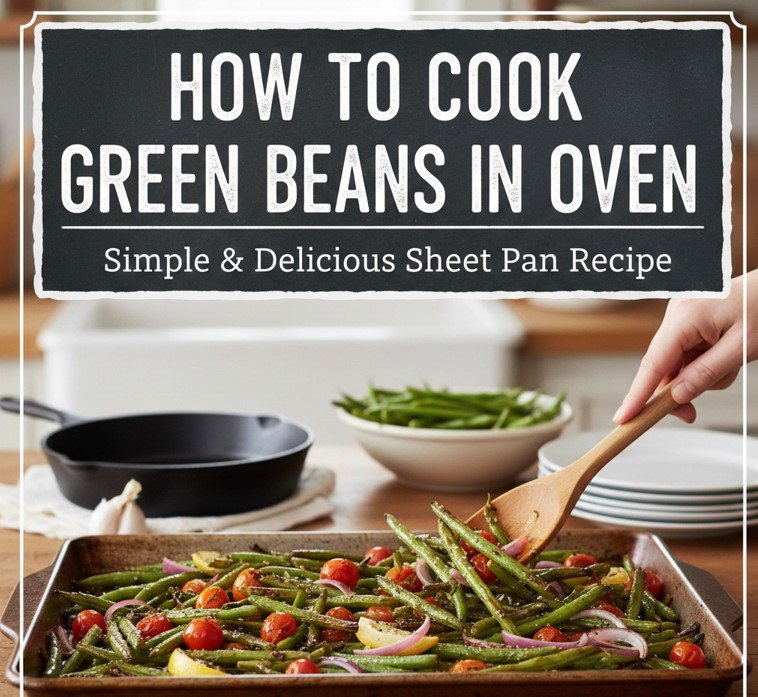
Roasting green beans in the oven intensifies flavor through dry heat caramelization, making this method ideal for those who enjoy slightly crispy edges and rich taste.
Oven Cooking Best Practices
• High temperature roasting
Temperatures between 400–425°F encourage browning without drying out the beans.
• Even oil coating
Light oil coverage prevents shriveling and promotes uniform roasting.
• Single-layer arrangement
Stacked beans trap moisture and roast unevenly.
• Mid-cook tossing
Turning beans halfway ensures even color and texture.
• Using seasoning strategically
Spices added before roasting deepen flavor, while herbs added after prevent burning.
• Monitoring moisture loss
Over-roasting causes toughness; proper timing preserves tenderness.
Also Read : How to Schedule a Text on iPhone: Complete Guide for All Models
How to Cook Green Beans in Air Fryer
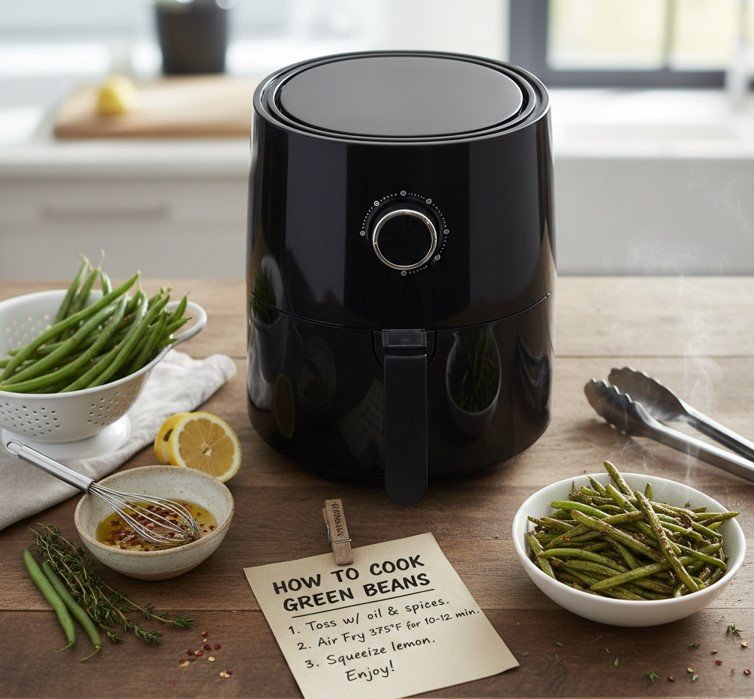
Air fryers offer a low-oil, high-crisp cooking method that appeals to health-conscious home cooks. Green beans cooked in an air fryer maintain crunch while using significantly less fat.
Air Fryer Cooking Essentials
• Minimal oil application
Too much oil causes smoking and sogginess.
• Preheating the air fryer
Ensures immediate crisping and even cooking.
• Shaking the basket
Redistributes heat and prevents sticking.
• Short cooking cycles
Beans cook quickly and can burn if ignored.
• Seasoning after cooking
Preserves spice flavor integrity.
Microwaving green beans is one of the fastest ways to retain nutrients, especially water-soluble vitamins. It is ideal for busy schedules or portion-controlled meals.
Microwave Cooking Guidelines
• Using microwave-safe containers
Prevents chemical leaching and uneven heating.
• Adding minimal water
Creates steam without nutrient dilution.
• Covering loosely
Allows pressure release while retaining moisture.
• Short intervals
Prevents overcooking and mushiness.
• Stirring halfway
Ensures even heat distribution.
• Seasoning post-cooking
Maintains flavor clarity.
Also Read : How to Remove Gel Nail Polish: Expert Tips and Step-by-Step Methods
How to Cook Green Beans and Potatoe
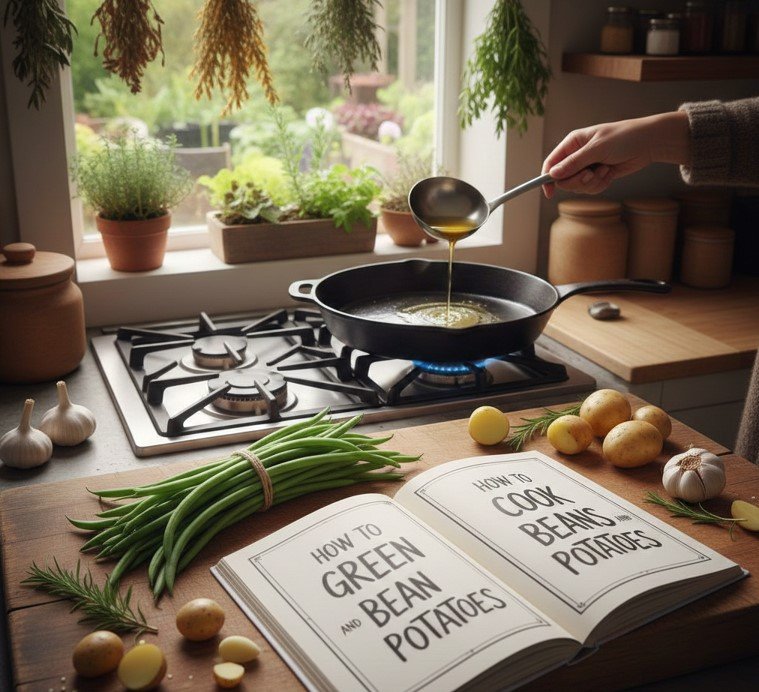
Green beans and potatoes provide a nutrient-dense, fiber-rich pairing that supports satiety and blood sugar balance when cooked properly.
Cooking This Dish Correctly
• Cutting potatoes evenly
Ensures synchronized cooking times.
• Parboiling potatoes first
Prevents undercooked interiors.
• Adding green beans later
Preserves their texture and color.
• Using herbs instead of excess fat
Enhances flavor without excess calories.
• Controlling starch release
Avoids mushy texture.
• Balancing seasoning
Prevents overpowering natural flavors.
Also Read : How to Get Rid of Mice: A Complete, Practical & Humane Guide
How to Cook Green Beans for a Diabetic
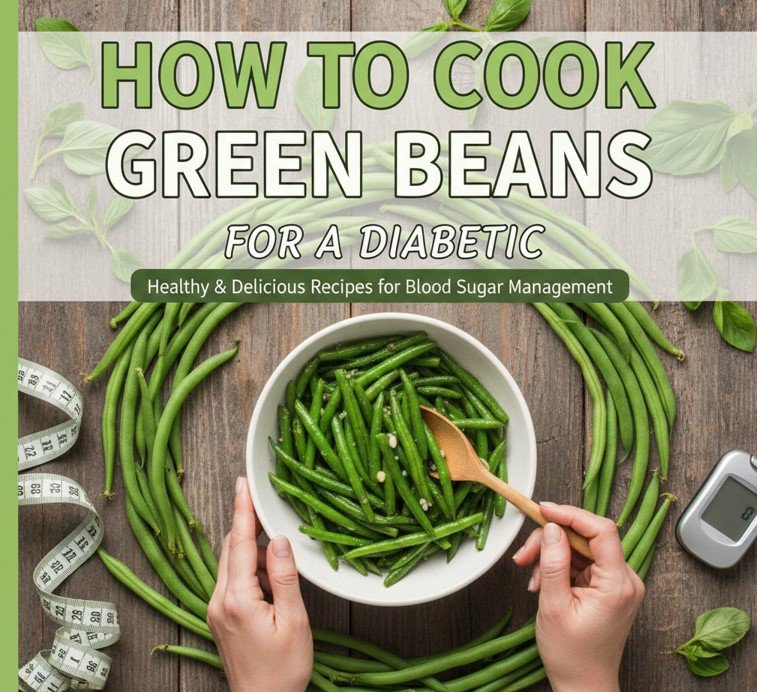
Green beans are low-glycemic, high-fiber vegetables, making them ideal for diabetic diets when cooked without added sugars or excessive fats.
Diabetic-Friendly Cooking Practices
• Avoiding sugary sauces
Preserves blood glucose stability.
• Choosing healthy fats
Supports insulin sensitivity.
• Maintaining fiber content
Prevents glucose spikes.
• Using herbs and spices
Enhances flavor without sodium overload.
• Avoiding overcooking
Preserves fiber structure.
• Pairing with protein
Improves glycemic response.
Also Read : How to Get Rid of Gnats: Effective Solutions for Your Home and Plants
Conclusion
Learning how to cook green beans properly empowers you to create meals that are nutritious, flavorful, and suited to any lifestyle or dietary need. Whether you prefer stove-top simplicity, oven-roasted depth, or air-fried crispness, the right technique ensures optimal taste and health benefits.
By applying these expert-backed methods, you can confidently turn green beans into a reliable, delicious staple in your kitchen—every single time.
FAQs
What is the healthiest way to cook green beans?
Steaming, microwaving, or air frying with minimal oil best preserve nutrients.
How long should green beans be cooked?
Typically 5–10 minutes depending on method.
Can diabetics eat green beans daily?
Yes, they are safe and beneficial due to low glycemic load.
Visit For More Information Go To entrepreneurideas