
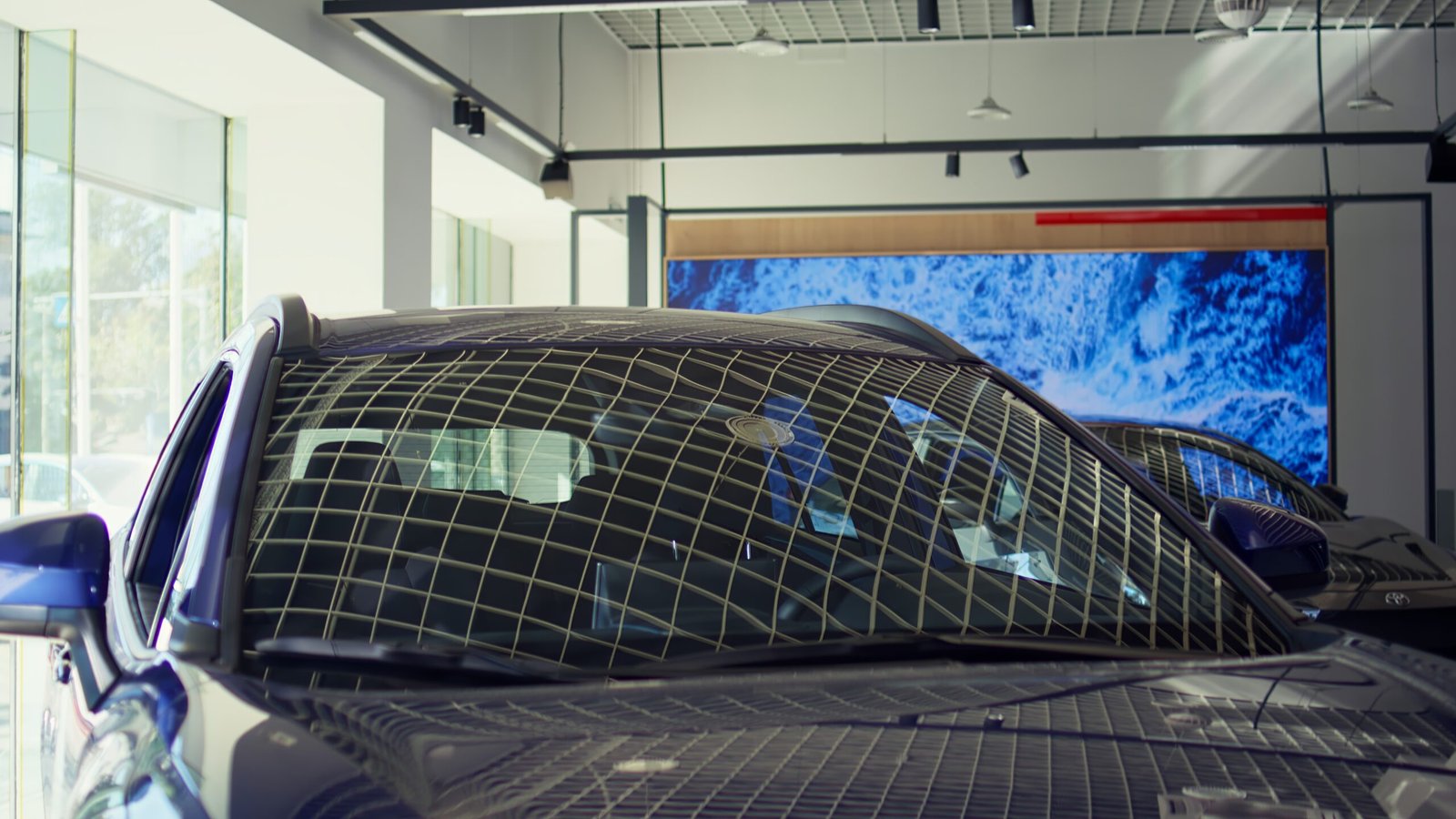
The touchless car wash began as a solution for drivers who wanted a safer alternative to brush-based systems. Over decades, it has evolved into a sophisticated washing method supported by smart sensors, powerful jets, and environmentally conscious detergents.
The Evolution of Car Washing Technology
Car washing has progressed from manual bucket-and-sponge cleaning to fully automated systems. Early mechanical wash tunnels used rotating brushes that often left micro-scratches on vehicle surfaces. As consumer demand for safer cleaning grew, no-contact methods emerged. The rise of touchless washing technology aligned perfectly with advancements in sensors, high-pressure pumps, and chemical engineering.
How a Touchless Car Wash Works
A touchless car wash system relies on precisely controlled high-pressure water jets and detergent application. First, sensors measure the shape and size of the vehicle to deliver accurate spray patterns. Then, specialized cleaning agents break down dirt, grime, and road salts. Advanced automation monitors pressure levels, detergent ratios, and rinse cycles, ensuring the car receives an even and thorough wash without the slightest touch.
Key Features of Touchless Car Wash Technology
The hallmark of a touchless wash is the complete absence of brushes. Laser-guided sprayers map the contours of the car, ensuring accurate coverage and reduced chemical waste. Additionally, temperature-controlled detergents enhance cleaning power by activating at precise heat levels. These combined features elevate touchless washing far above traditional contact-based systems.
Benefits for Vehicle Owners
One of the top benefits of using a touchless car wash is superior paint protection. Without brushes, there’s no risk of swirl marks or abrasion. Time-saving is another advantage—most washes take only a few minutes. This method is especially ideal for newer vehicles with delicate clear coats, matte finishes, or protective wraps. Reduced physical contact also means fewer mechanical issues and longer equipment life.
Also Read This:- Sustainable Fashion Choices: Kleman Padror
Environmental Impact
Modern touchless car wash technology contributes positively to environmental sustainability. Many systems use water-efficient cycles that minimize waste. Biodegradable soaps help prevent chemical runoff, safeguarding local ecosystems. Eco-conscious designs, such as water recycling tanks and low-foam detergents, reduce pollution and promote responsible auto maintenance practices.
Cost Comparison: Touchless vs. Traditional Car Wash
Although a touchless car wash may cost slightly more per visit, the long-term value is often greater. Because there is no brush contact, maintenance expenses for both the wash system and the car itself can be lower. Traditional car washes may appear cheaper but can contribute to paint wear over time. Touchless systems also require fewer mechanical parts, reducing long-term repair costs.
Common Misconceptions
A frequent misconception is that a touchless wash cannot remove tough dirt. While deep mud may require a pre-rinse, modern detergents and high-pressure sprays are highly effective at cleaning most surfaces. Another myth is that high-pressure water can damage paint. In reality, systems are calibrated to stay well within safe PSI ranges and undergo strict quality control.
Safety and Maintenance Standards
Safety remains a priority for operators of touchless car wash systems. Chemical mixtures are regulated to protect both customers and the environment. Routine maintenance ensures pumps and sensors operate efficiently. Customers benefit from improved safety, as the no-contact method prevents physical damage caused by worn brushes or contaminated cloth.
Also Read This:- zryly.com Hosting: The Smart Choice for Reliable Web Hosting Solutions
Latest Innovations in Touchless Car Wash Tech
Innovation continues to push the boundaries of touchless washing technology. AI-assisted wash cycles can analyze vehicle dirt levels and adjust cleaning intensity automatically. IoT-enabled systems allow operators to monitor performance remotely. Smart payment integration—such as mobile apps—makes the customer experience smoother and faster.
Ideal Users and Best Use Cases
The touchless car wash is exceptionally beneficial for luxury car owners who wish to protect delicate paint and coatings. High-traffic urban drivers also appreciate its efficiency. Fleet managers use touchless systems to maintain large numbers of vehicles quickly without risking scratches that could affect branding or resale value.
Challenges and Limitations
Despite its strengths, the touchless wash method has a few limitations. Extremely stubborn dirt or thick mud may require manual pre-washing. Energy consumption can be higher because pumps must generate sufficient pressure. Additionally, operators need proper training to manage detergent dilution and machine calibration effectively.
Future of Touchless Car Wash Technology
The future of the touchless car wash looks promising as autonomous wash stations become more realistic. AI-driven cleaning personalization will adjust water pressure, temperature, and chemical ratios for each individual car. Fully eco-sustainable systems using recycled water and plant-based detergents are expected to become industry standards, making car care cleaner and greener.
FAQs
What makes a touchless car wash safer for paint?
It avoids all physical contact, eliminating risks from brushes or cloth fibers.
Can a touchless system remove tough dirt?
Yes, but extremely heavy mud may need a short pre-rinse for best results.
Is a touchless wash good for ceramic-coated cars?
Absolutely—it protects coatings without abrasion.
How long does a typical touchless wash take?
Most systems deliver a full wash in under five minutes.
Is a touchless wash more expensive?
Slightly, but long-term paint protection often saves money.
Visit For More Information Go To entrepreneurideas