
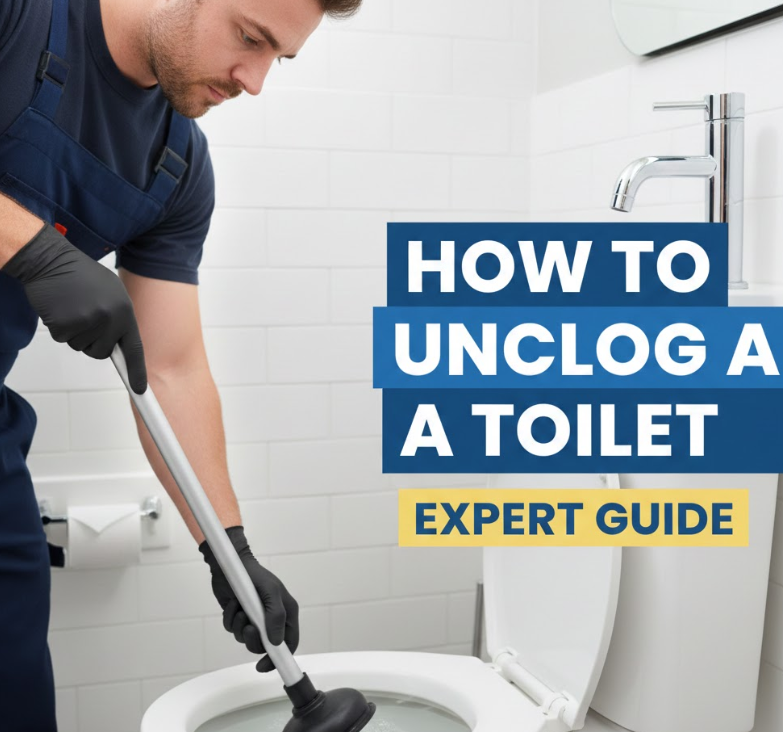
Clogged toilets are one of the most common household plumbing issues, yet they can cause significant stress if not handled correctly. Learning how to unclog a toilet is an essential home maintenance skill that saves money, prevents damage, and ensures hygiene.
A clogged toilet can result from various factors: excess toilet paper, foreign objects, low-flow toilets, or plumbing issues. Understanding the causes helps you apply the right solution and avoid worsening the problem. According to plumbing experts, most clogs occur within six inches of the toilet drain, making them solvable with simple household tools.
This guide covers multiple methods to unclog a toilet safely and effectively: with a plunger, without a plunger, when water levels are high, and techniques to unclog quickly. Each method is described in detail, including preparation, step-by-step instructions, and professional tips to prevent future clogs.
By following these strategies, you can unclog your toilet efficiently while minimizing mess, risk, and damage to plumbing.
How to Unclog a Toilet Without a Plunger
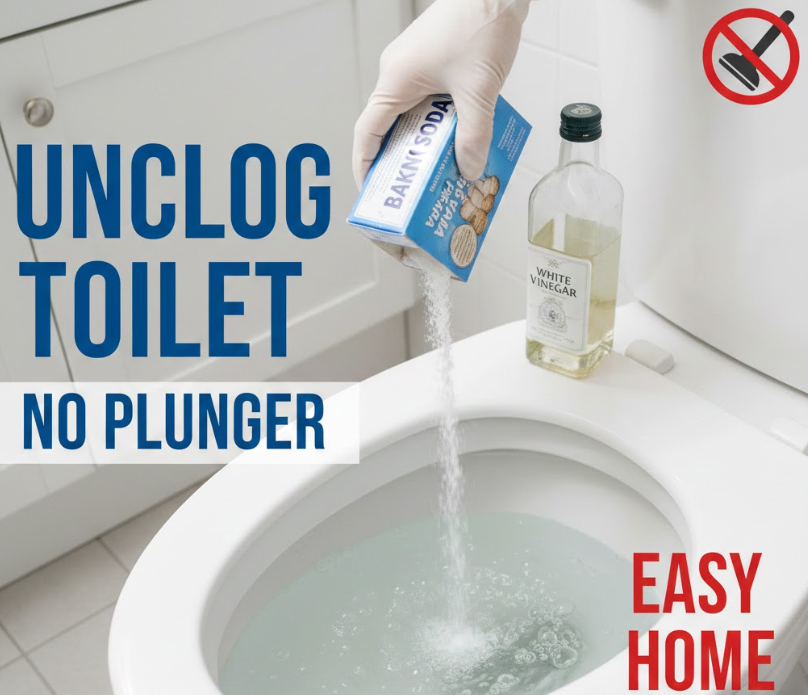
Unclogging a toilet without a plunger is a necessary skill when a plunger is unavailable. While plungers are convenient, alternative methods often work just as effectively using household items or natural solutions.
Understanding fluid dynamics and proper technique is essential. The main principle is to break up or push the blockage without causing overflow or splashing.
Alternative Methods to Remove Toilet Clogs
. Use hot water and dish soap
Pouring hot (not boiling) water into the toilet with a generous amount of dish soap helps lubricate and dissolve the blockage. The soap coats the paper or debris, reducing friction, and the heat softens it, making it easier to flush.
. Try a toilet auger or plumbing snake
A flexible auger is designed to reach deep into the toilet trap. Rotating the snake breaks up clogs or hooks onto solid objects for removal. This tool is especially effective for tough blockages.
. Use baking soda and vinegar
Pouring one cup of baking soda followed by one cup of vinegar creates a chemical reaction that produces bubbles and pressure, helping to dislodge minor clogs. Allow 15–30 minutes for effectiveness before flushing.
. Plastic bottle method
A large plastic bottle with a tapered neck can simulate plunging. Fill the bottle with water, insert it into the drain, and forcefully squeeze to push water pressure toward the clog.
. Wire hanger or improvised hook
Straighten a wire hanger and bend the tip slightly. Carefully insert it to remove or break up foreign objects causing blockage. Take care not to scratch the porcelain.
. Preventive maintenance
After unclogging, maintain flow by avoiding excessive paper, flushing only waste and toilet paper, and performing regular minor flush checks. This reduces future emergencies and keeps plumbing clear.
Also Read:- How to Share Location on iPhone: The Complete Practical Guide
How to Unclog a Toilet With a Plunger
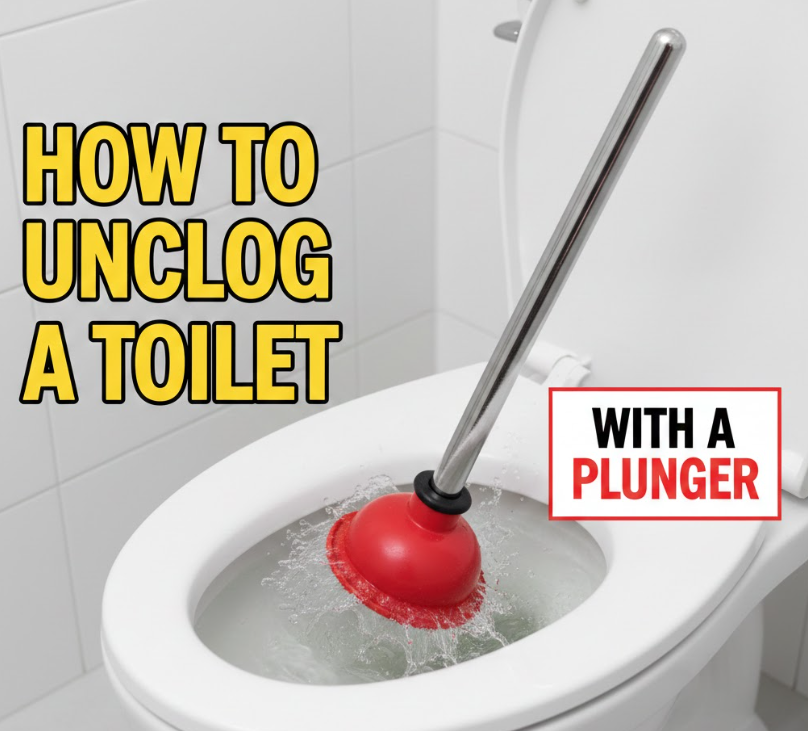
Using a plunger is the most common and effective method for unclogging toilets. A plunger works by creating suction and pressure to dislodge the blockage. Understanding the correct technique ensures fast results and prevents water overflow.
There are different types of plungers: standard cup plungers and flange plungers designed specifically for toilets. Choosing the right type and using proper technique greatly increases success rates.
Steps to Unclog a Toilet Using a Plunger
. Select the right plunger type
A flange plunger has an extended rubber tip that fits into the toilet drain more effectively than a standard cup plunger. This creates a seal for maximum suction, increasing the chances of clearing the clog.
. Prepare the toilet area
Place towels or newspapers around the base to prevent splashing. This keeps the area clean and reduces cleanup afterward.
. Position the plunger correctly
Insert the plunger into the toilet bowl ensuring the flange fits inside the drain hole. Make sure the cup is submerged in water to create proper suction.
. Pump the plunger carefully
Push and pull slowly at first, then more vigorously once a seal is established. The alternating pressure loosens the clog gradually without causing overflow.
. Test by flushing slowly
After a few pumps, remove the plunger and flush gently. If the clog remains, repeat the plunging process several times.
. Clean and sanitize after use
Rinse the plunger thoroughly and disinfect the area. This prevents bacteria spread and keeps your toilet hygienic.
Also Read:- How to Camp: A Complete Practical Guide for Every Situation
How to Unclog a Toilet Without a Plunger When the Water Is High
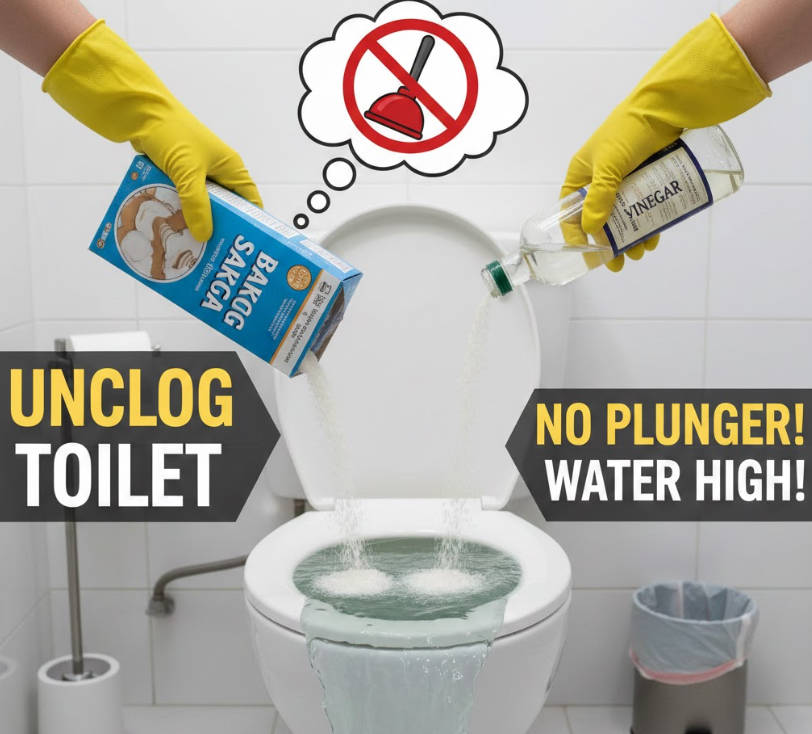
A high-water toilet increases the risk of overflow during unclogging. Special care is needed when attempting to clear clogs in this situation to avoid flooding.
High water often occurs when the clog is severe, making traditional plunging more challenging. Preventing splashes and spills is critical for safety and cleanliness.
Strategies for High-Water Toilet Clogs
. Remove excess water safely
Use a small container or cup to bail out some water into a bucket. This lowers the water level, reducing the risk of overflow during unclogging.
. Slowly add hot water
Pour water carefully from a safe height to avoid splashing. Hot water helps dissolve paper and softens debris while increasing the pressure needed to push the clog.
. Use a toilet auger cautiously
A toilet auger can reach the clog without causing overflow. Insert gently, rotate, and push until resistance decreases. Avoid forcing, which can damage the bowl.
. Plastic bottle squeeze method
Similar to plunging, filling a bottle and squeezing it forcefully can push water through the clog. This works well when the water is already high.
. Apply baking soda and vinegar in controlled amounts
Adding small portions of these substances creates gentle foaming action. Avoid large amounts at once to prevent sudden overflow.
. Prevent splashes and keep towels handy
High water is prone to spilling. Place towels around the base and wear gloves to minimize mess and bacterial exposure.
Also Read:- How to Attract Birds: A Complete, Science-Backed Guide for Your Yard and Garden
How to Unclog a Toilet Fast
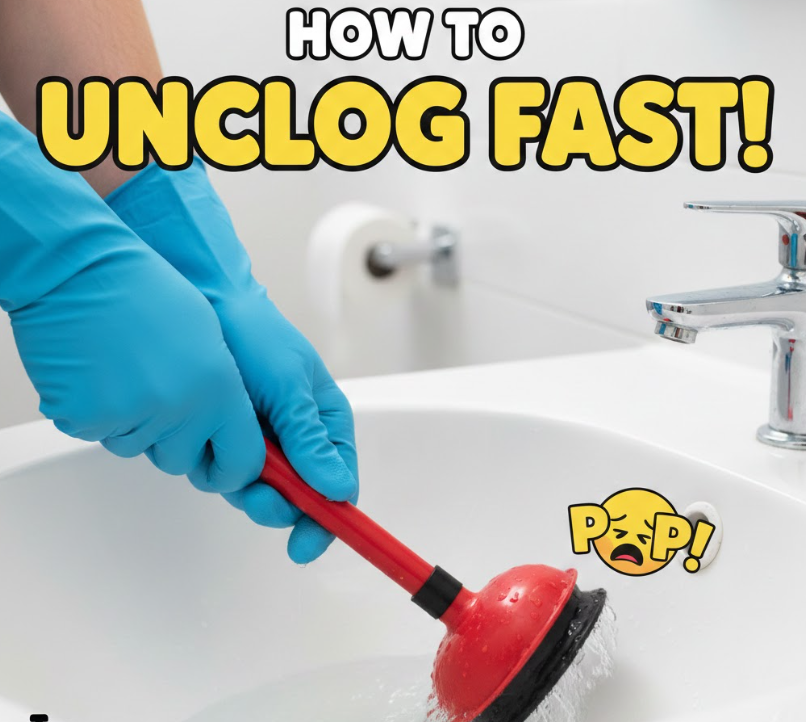
When time is essential, unclogging a toilet quickly requires combining technique, tools, and prevention knowledge. The fastest method depends on the type of blockage and water level in the bowl.
Understanding the most effective tools and sequence allows a homeowner to resolve the problem efficiently while reducing stress and mess.
Fast Methods for Toilet Unclogging
. Use a high-quality plunger first
A flange plunger is the quickest way to generate suction and pressure. Proper technique often clears clogs in minutes, especially for soft blockages.
. Toilet auger for tough blockages
If plunging fails, a toilet auger is the fastest tool for solid obstructions. Its flexible design can reach deep clogs, making it more reliable than chemical solutions.
. Hot water and dish soap combination
Pouring hot water with dish soap lubricates and softens the blockage quickly. This method is often effective in under 15 minutes.
. Baking soda and vinegar for minor clogs
The chemical reaction generates pressure and bubbles, which can clear small obstructions rapidly. Combine with a slow flush afterward for best results.
. Prevent overflow before attempting fast unclog
Remove excess water, use gloves, and cover surrounding floors. Preparing the area prevents accidents and keeps the process fast without interruption.
. Regular maintenance prevents future slowdowns
Once unclogged, avoid flushing excessive paper or foreign objects. Preventive care ensures future clogs are easier and faster to handle.
Also Read:- How to Make a Slip Knot: Step-by-Step Guide for Crochet, Knitting & Bracelets
Conclusion
Learning how to unclog a toilet is an essential life skill that prevents emergencies, maintains hygiene, and protects your plumbing system. Whether using a plunger, household alternatives, managing high water, or requiring a fast solution, understanding proper technique ensures the job is done safely and effectively.
Consistent preventive measures, correct tools, and careful execution allow homeowners to address clogs efficiently without damage or mess. With this guide, anyone can unclog a toilet confidently, whether for routine maintenance or emergency situations.
FAQs
Q: Can a toilet be unclogged without a plunger?
Yes, using hot water, dish soap, baking soda, vinegar, or a toilet auger can remove most clogs.
Q: What do I do if the toilet water is very high?
Remove excess water first, then proceed with controlled plunging, auger, or gentle chemical methods.
Q: How can I prevent future clogs?
Avoid flushing non-degradable items, excessive toilet paper, and perform regular checks of your plumbing system.
Visit For More Information Go To entrepreneurideas