
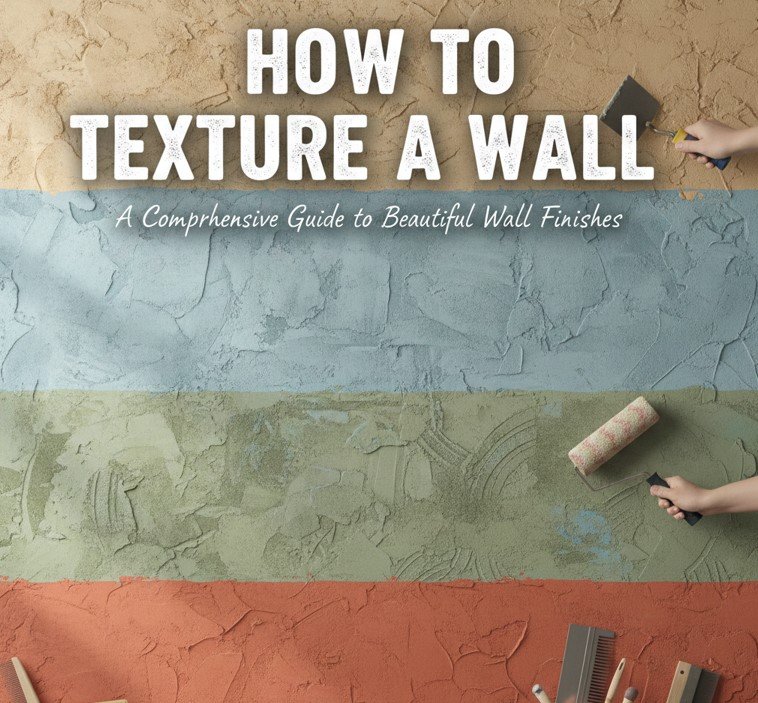
Texturing a wall is an easy and cost-effective way to add visual interest and depth to a room. Whether you’re looking to hide imperfections, add a unique aesthetic, or simply refresh the look of your walls, knowing how to texture a wall is an essential skill for any DIY enthusiast or home renovator. The process of texturing walls allows you to experiment with different finishes—ranging from smooth to bold, and simple to elaborate.
In this article, we’ll walk you through the various techniques on how to texture a wall using tools like rollers, sponges, and spray cans, as well as materials like joint compound and drywall mud. We’ll also highlight the most popular textures, such as orange peel, knockdown, and hand-applied textures, to help you achieve the perfect look for your space.
Why Texture Your Walls?
Texturing a wall offers a host of benefits that go beyond aesthetics. Here are some of the reasons why you might consider adding texture to your walls:
• Hides imperfections: Textured walls can conceal minor cracks, holes, or uneven surfaces that would otherwise require extensive repairs or smoothing.
• Improves acoustics: The textured surface helps absorb sound, reducing echoes and improving room acoustics.
• Adds character and style: Texture can dramatically enhance the design of a room, giving it a unique and personalized look.
• Increases durability: Certain textures, like knockdown or orange peel, are more durable and easier to clean than flat, smooth walls.
• Helps with lighting: Textured walls can create interesting shadows and lighting effects, enhancing the mood or atmosphere of a room.
• Increases property value: Well-executed textured walls can improve the perceived value of a home or space, offering a more finished, polished look.
By the end of this guide, you’ll understand how to texture a wall effectively, whether you’re a beginner or looking to refine your technique.
Also Read:- How to Tell if a Mango is Ripe: Ultimate Guide for Perfect Mangoes
How to Texture a Wall with a Roller: Quick and Easy Method
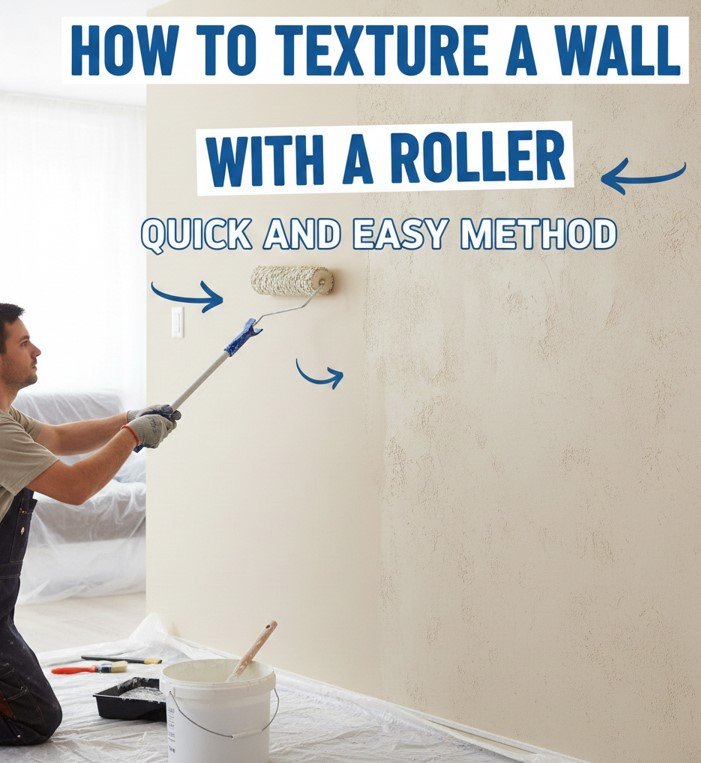
Texturing a wall with a roller is one of the most popular and simplest methods for achieving a consistent, uniform texture. It’s especially effective for creating a light texture like the orange peel finish, which is often seen in modern homes. Here’s a detailed step-by-step guide on how to texture a wall with a roller:
• Prepare the room and materials
Start by covering the floors and any furniture with drop cloths or plastic sheeting. You’ll also want to remove any outlet covers, switch plates, and ensure the wall is clean and dry. Gather a paint roller, texture paint (or drywall mud), a paint tray, and a knockdown knife (if needed).
• Mix the texture material
If you’re using drywall mud or joint compound, mix it to a consistency similar to pancake batter. If you’re using a pre-mixed texture paint, make sure it’s properly stirred and thinned according to the manufacturer’s instructions.
• Apply the texture
Pour your texture material into a paint tray. Dip the roller into the material and roll it onto the wall in a random, overlapping pattern. The key to achieving the right texture is to apply it evenly without overloading the roller. Apply it in a thin, even coat.
• Roll in a crosshatch pattern
After applying the texture, roll the roller in multiple directions—first vertically, then horizontally—to create a more even and consistent texture pattern. This is essential for achieving a professional finish.
• Allow the texture to dry
Let the texture dry for about 15-20 minutes, depending on the material used. During this time, it will begin to firm up and become more rigid, setting the stage for the next step.
• Knockdown the texture (optional)
If you want a softer, knockdown effect, lightly go over the wall with a knockdown knife (a flat, wide blade) and smooth down the peaks of the texture. This creates a more subtle, matte finish.
Also Read:- How to Stop Sneezing: Effective Tips and Remedies
How to Texture a Wall by Hand: Customizable Handcrafted Look
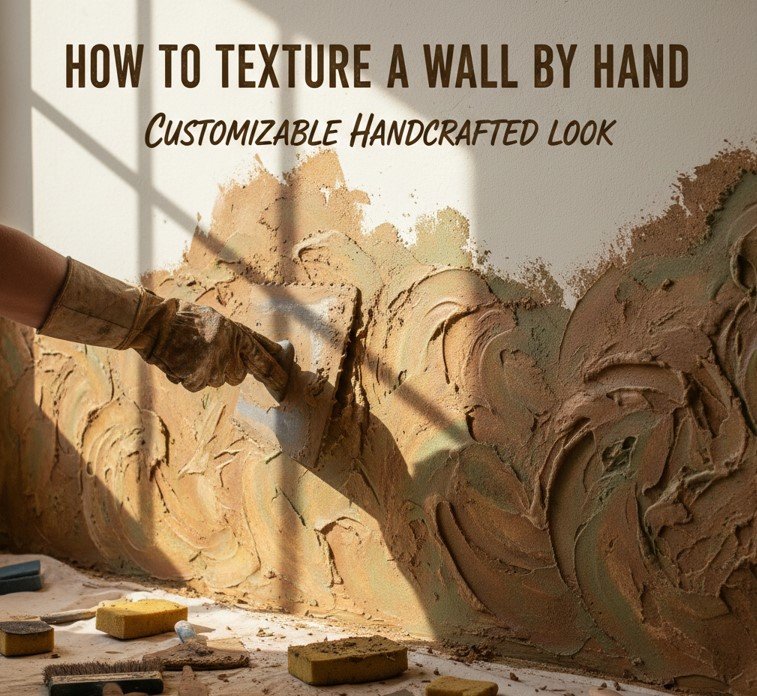
Texturing a wall by hand allows for a more customized and artistic finish, giving your walls a unique, handcrafted look. This method is commonly used for techniques like skip trowel or hand-applied knockdown textures. Here’s how you can achieve a custom, hand-textured wall:
• Prepare your workspace
Clear the room and protect the floor and furniture with plastic sheeting. Ensure the wall is clean and free from dust, dirt, or grease. If you’re working on drywall, make sure the surface is primed for best results.
• Mix your texturing compound
Mix drywall mud or joint compound to the desired consistency. For a smoother texture, add water to the mixture to thin it slightly. You can also use pre-mixed texture compounds.
• Apply the texture with a trowel
Using a trowel or a putty knife, scoop the texturing compound and apply it to the wall in a sweeping motion. Focus on applying the compound in a random pattern to create an organic, unique texture.
• Use varying pressure
Varying the amount of pressure you apply with the trowel will create different effects. Light pressure will give you a finer texture, while more pressure will create larger peaks or bumps.
• Smooth or knockdown the texture
If you’re going for a knockdown look, wait about 10-20 minutes for the texture to set slightly. Use a knockdown knife to smooth over the raised peaks, creating a soft, matte finish.
• Clean up
Once the texture is complete and has dried, clean your tools thoroughly. Let the wall dry completely before painting or sealing the surface. The result will be a beautiful, hand-crafted finish with a distinct texture pattern.
Also Read:- How to Format an SD Card: The Complete Beginner-to-Advanced Guide
How to Texture a Wall Orange Peel: Popular Texturing Method
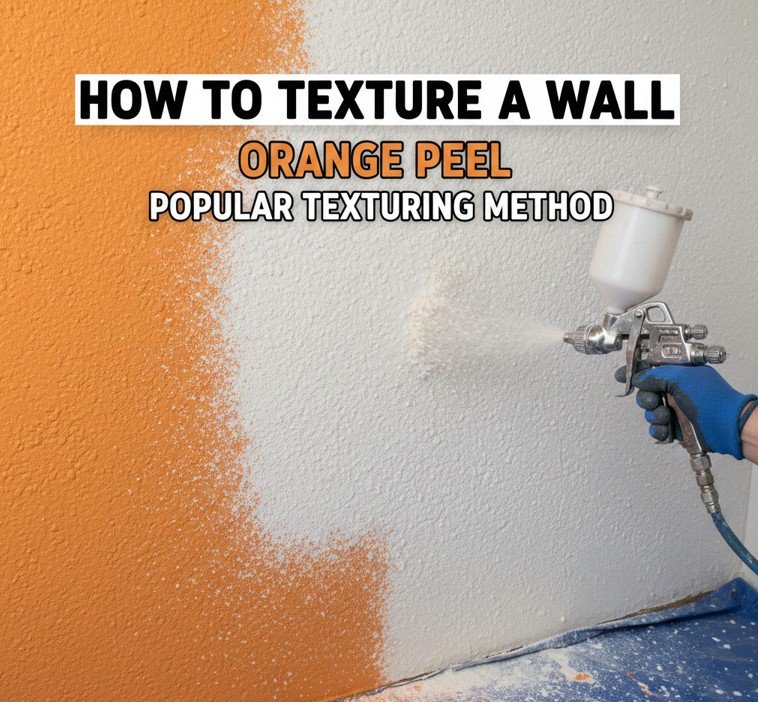
One of the most common textures used in residential walls is the orange peel finish. This texture is achieved by spraying a thin layer of texture onto the wall and then knocking it down lightly to create the characteristic look of orange peel skin. Here’s how you can texture a wall with an orange peel finish:
• Prep the area
As always, protect your floors, furniture, and fixtures with drop cloths. Make sure the wall is clean and free of any dirt or oils. If necessary, apply a primer to help the texture adhere better.
• Mix the texture
For an orange peel texture, use a spray texture material, typically available in pre-mixed or powder form. Mix it to the desired consistency, which should be thin enough to spray but thick enough to hold its shape when applied.
• Use a spray gun or texture sprayer
Attach the texture material to a texture sprayer or air compressor with a hopper gun. Hold the sprayer about 18-24 inches from the wall and spray in a consistent, circular motion to create an even texture.
• Let the texture dry slightly
Allow the texture to set for 10-15 minutes, depending on humidity and temperature, until it has dried slightly but is still soft and workable.
• Knock down the texture
Using a knockdown knife or trowel, lightly smooth over the texture, knocking down the raised peaks and creating a uniform orange peel pattern.
• Seal and finish
Once the texture is dry, apply a sealer to protect it from damage and dirt. You can also paint the textured wall with a high-quality paint for added durability.
Also Read:- How Much to Wrap a Car: Complete Cost Guide
How to Texture a Wall with Paint: Simple and Effective Method
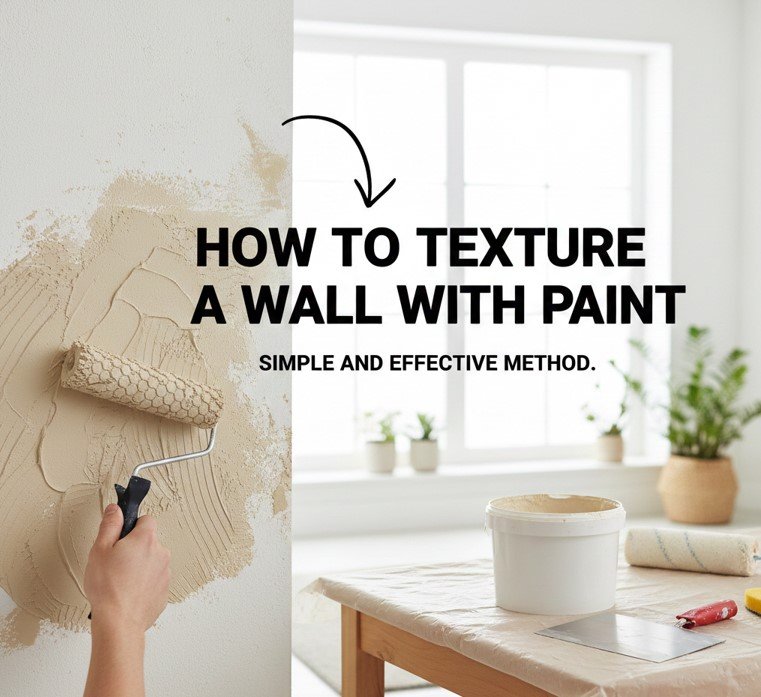
Texturing a wall with paint is a straightforward method often used for creating basic textures like sponging, rag rolling, or simple brush techniques. This approach can be quick, effective, and requires minimal tools. Here’s how you can texture a wall using only paint:
• Choose your paint and tools
Select a flat or matte paint for best results, as these finishes are ideal for texturing. You will also need a paint roller, a brush, and a rag or sponge, depending on the technique.
• Apply the base coat
Begin by applying a solid base coat to the wall. This coat will provide a foundation for the textured finish. Allow the base coat to dry completely before starting the texture.
• Use a sponge or rag
Dip a damp sponge or rag into a small amount of paint and apply it to the wall in a circular or crosshatch pattern. You can create varying textures by adjusting how much pressure you use.
• Create different effects
For more texture, use a rag rolling technique, where you roll a rag over the wet paint to create a deeper, more pronounced pattern. The roller texture can create a soft effect that mimics the look of plaster or stucco.
• Blend for consistency
Make sure to blend the edges of your texture to ensure a uniform look across the wall. Avoid leaving visible lines or harsh transitions between sections.
• Seal the textured wall
Once your paint texture is applied and dried, finish with a clear sealer to protect the texture and prevent damage over time.
Also Read:- How to Mix Essential Oils: A Complete Guide for Safe and Effective Blending
How to Texture a Wall with a Sponge: Unique, Artistic Finish
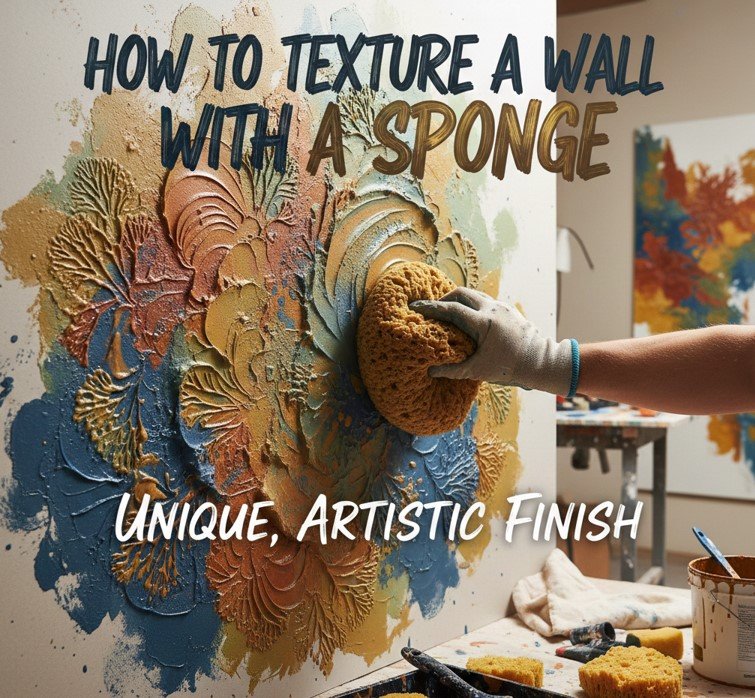
Sponge texturing is a creative way to add unique patterns and texture to your walls. The technique gives a soft, subtle appearance that mimics natural materials like stone or plaster. Here’s how to texture a wall with a sponge:
• Choose a texture finish
Select a sponge texture compound or use a regular paint for a more subtle effect. Pre-mixed textured paints are often best for achieving this look.
• Dampen the sponge
Moisten the sponge slightly with water, ensuring it’s damp but not soaking wet. This will help you apply the paint more evenly.
• Apply the paint to the sponge
Dip the sponge into the texture compound or paint and lightly blot it onto the wall in a gentle circular motion. Be sure to avoid pressing too hard to prevent excessive texture.
• Create patterns
You can experiment with different motions, such as circular, figure-eight, or random patterns, to create varying textures. Each technique results in a unique appearance.
• Blend and smooth
Blend areas where the sponge marks overlap to create a seamless, consistent look. This process may take a bit of practice, but the results will be visually striking.
• Finish and seal
Once the texture is dry, apply a protective sealant to preserve the texture and color.
Also Read:- How to Make Fajita Seasoning: A Complete Homemade Spice Guide
Conclusion
Knowing how to texture a wall is an invaluable skill for transforming any space. Whether you’re adding texture to a living room, bedroom, or hallway, the ability to texture walls will help you achieve a unique and personalized look. Whether you use a roller, sponge, or paint, each technique offers its own distinct style, from the soft orange peel to the artistic hand-applied textures.
By following the steps in this guide, you’ll be well on your way to mastering wall texturing techniques, creating durable, beautiful surfaces that enhance the overall ambiance of your home. Whether you’re fixing imperfections, adding aesthetic appeal, or preparing for a fresh coat of paint, texturing your walls can be a rewarding DIY project.
FAQs
How long does it take for textured walls to dry?
Drying time for textured walls can vary depending on humidity and temperature, but it generally takes 12-24 hours for the texture to fully dry.
Can I texture my walls myself, or should I hire a professional?
Texturing your walls is a DIY-friendly project, but it may take some practice to perfect. Hiring a professional is an option if you want a flawless finish or have large areas to cover.
How can I fix uneven texture after application?
If you notice uneven texture, you can reapply a light coat to the affected areas and smooth it out with a knockdown knife.
What is the best texture for hiding wall imperfections?
The orange peel and knockdown textures are excellent for hiding small imperfections and uneven surfaces.
Is texturing a wall expensive?
Texturing a wall is relatively cost-effective, especially if you do it yourself. The primary costs are the texture compound, tools, and time.
Visit For More Information Go To entrepreneurideas