
If you’ve ever wondered how to make Alfredo sauce that’s silky, rich, and restaurant-quality, you’re in the right place. This comprehensive guide walks you through traditional techniques, modern variations, and expert tips to help you create the perfect creamy pasta sauce at home.
Alfredo sauce is one of the most beloved Italian-inspired sauces worldwide. Its origins trace back to early 20th-century Rome, where Alfredo di Lelio created a simple butter-and-cheese pasta known as Fettuccine Alfredo. Over time, especially in the United States, the sauce evolved to include heavy cream and garlic for a richer profile.
Today, learning how to make Alfredo sauce at home gives you full control over flavor, thickness, and ingredients—without preservatives or additives found in many store-bought jars.
How to Make Alfredo Sauce from Scratch (Traditional & Authentic Method)
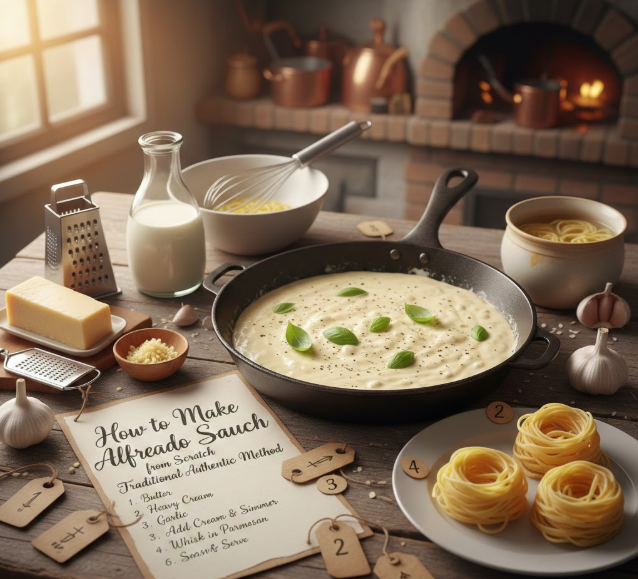
Understanding how to make Alfredo sauce from scratch means appreciating both the classic Roman version and the American adaptation. The traditional recipe used only butter and Parmigiano-Reggiano cheese, while modern versions incorporate cream for extra richness and stability.
Core Ingredients and Their Roles
• Butter as the foundational fat
Butter forms the base of authentic Alfredo sauce, providing a velvety mouthfeel and rich dairy depth. When gently melted, butter emulsifies with cheese to create a smooth coating that clings beautifully to fettuccine. High-quality unsalted butter ensures better control over seasoning and enhances the overall flavor profile without overpowering the delicate cheese notes.
• Parmesan cheese for structure and umami
Authentic Parmigiano-Reggiano, aged 12–24 months, contains natural glutamates that deliver deep savory complexity. Freshly grated cheese melts more evenly and prevents clumping. Pre-shredded varieties often include anti-caking agents that can cause graininess in the final sauce.
• Heavy cream for American-style richness
While not traditional in Italy, heavy cream adds body and makes the sauce more forgiving. It stabilizes emulsification and reduces the risk of separation, especially for beginner cooks learning how to make Alfredo sauce at home.
• Garlic for aromatic enhancement
A small amount of sautéed garlic adds warmth and subtle depth. It should be cooked gently to avoid bitterness, contributing complexity without overwhelming the dairy components.
• Salt and white pepper for balance
Seasoning is critical. Parmesan is naturally salty, so taste before adding extra salt. White pepper maintains visual elegance while delivering mild heat.
• Pasta water for emulsification
Reserved starchy pasta water helps bind the sauce and improves texture. The starch supports emulsification, creating a glossy finish.
Step-by-Step Method
• Melt butter gently over medium-low heat.
• Add minced garlic and sauté briefly until fragrant.
• Pour in heavy cream and simmer lightly for 5–7 minutes.
• Gradually whisk in freshly grated Parmesan.
• Add reserved pasta water as needed to thin and emulsify.
• Toss immediately with hot pasta and serve.
This approach ensures a creamy, cohesive sauce every time.
Also Read:- How to Make Extra Money: The Ultimate Guide to Boost Your Income
How to Make Alfredo Sauce Without Heavy Cream
Many home cooks search for healthier or lighter alternatives. Learning how to make Alfredo sauce without heavy cream allows you to reduce saturated fat while preserving texture and flavor.
Smart Substitutions That Maintain Creaminess
• Whole milk with a roux base
By creating a roux (equal parts butter and flour), you can thicken milk effectively. This technique provides structure without requiring heavy cream, making it ideal for lighter versions.
• Greek yogurt for protein-rich texture
Plain Greek yogurt adds tang and creaminess while increasing protein content. It should be stirred in off heat to prevent curdling.
• Cream cheese for stability
A small amount of cream cheese melts smoothly and thickens sauce naturally, providing body without excessive heaviness.
• Evaporated milk as a concentrated alternative
Evaporated milk contains less water than regular milk, offering creamier consistency without full-fat cream.
• Cashew cream for dairy-free variation
Soaked and blended cashews produce a naturally creamy base suitable for vegan Alfredo sauce.
• Low-fat options with flavor boosters
Adding nutmeg, roasted garlic, or sautéed mushrooms enhances flavor complexity when reducing fat content.
According to dietary research from Harvard T.H. Chan School of Public Health, reducing saturated fat intake can support heart health when balanced appropriately.
Also Read:- How to Clean Grout: The Ultimate Guide for Sparkling Tiles
How to Make Alfredo Sauce Thicker
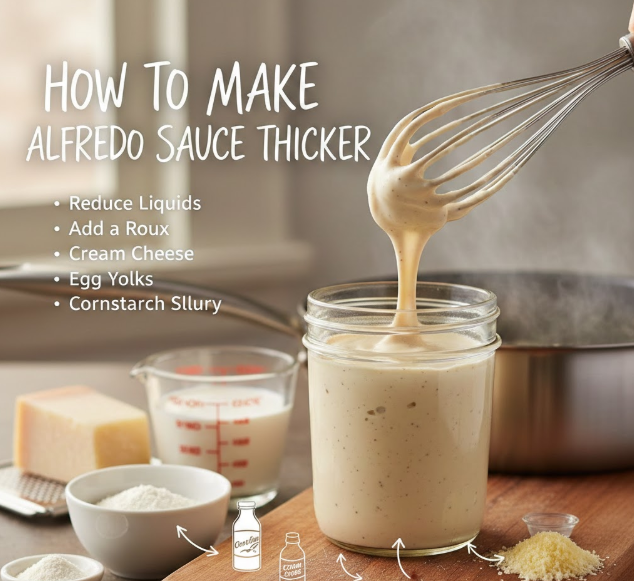
Texture is one of the most common challenges when learning how to make Alfredo sauce. A thin sauce may slide off pasta rather than coat it properly.
Effective Thickening Techniques
• Simmering to reduce liquid
Allowing the sauce to cook gently evaporates excess moisture and concentrates flavor.
• Adding more grated Parmesan
Cheese naturally thickens as it melts, increasing viscosity.
• Incorporating a cornstarch slurry
Mix cornstarch with cold water before adding to prevent lumps.
• Using a roux for structural stability
Flour-based thickening ensures consistency without compromising flavor.
• Blending with cream cheese
This method creates smooth body while maintaining creaminess.
• Avoiding high heat
Overheating can cause separation, making sauce appear thinner.
Consistency should resemble heavy cream—thick enough to coat a spoon but still pourable.
Also Read:- How to Pair Roku Remote: Complete Step-by-Step Guide
How to Make Alfredo Sauce with Milk
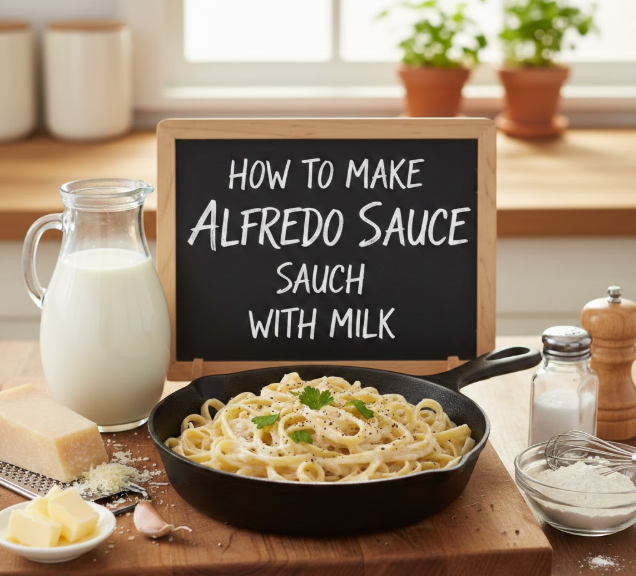
If heavy cream isn’t available, understanding how to make Alfredo sauce with milk offers a practical alternative.
Milk-Based Alfredo Method
• Start with butter and garlic as the flavor base.
• Whisk in flour to create a roux.
• Slowly add warm milk while stirring constantly.
• Simmer until thickened.
• Stir in Parmesan cheese gradually.
• Adjust seasoning and texture with pasta water.
This technique produces a lighter yet satisfying sauce ideal for everyday cooking.
Also Read:- How to Factor: A Comprehensive Guide for Students and Learners
How to Make Alfredo Sauce Better (Chef-Level Tips)
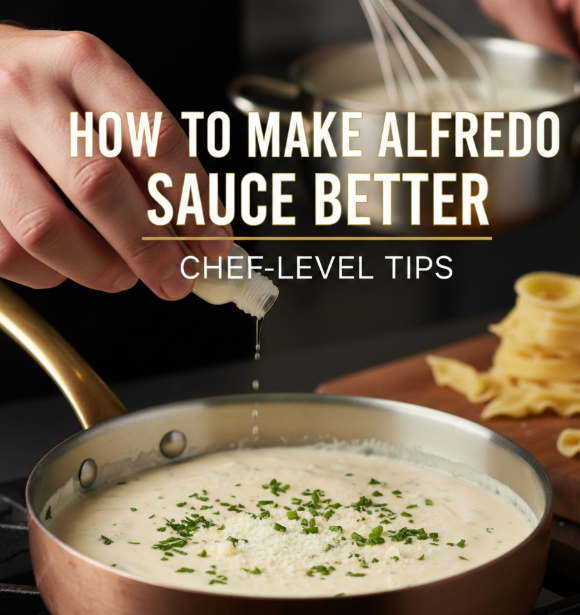
Even good Alfredo sauce can become exceptional with a few refinements.
Elevation Strategies
• Use freshly grated Parmigiano-Reggiano only.
• Add a splash of white wine before cream for depth.
• Infuse butter with thyme or bay leaf briefly.
• Finish with freshly cracked black pepper.
• Toss pasta directly in the pan for better coating.
• Garnish with chopped parsley for freshness.
Small improvements dramatically enhance overall quality.
Also Read:- How to Share Location on iPhone: The Complete Practical Guide
How to Make Alfredo Sauce Easy (Quick Weeknight Version)
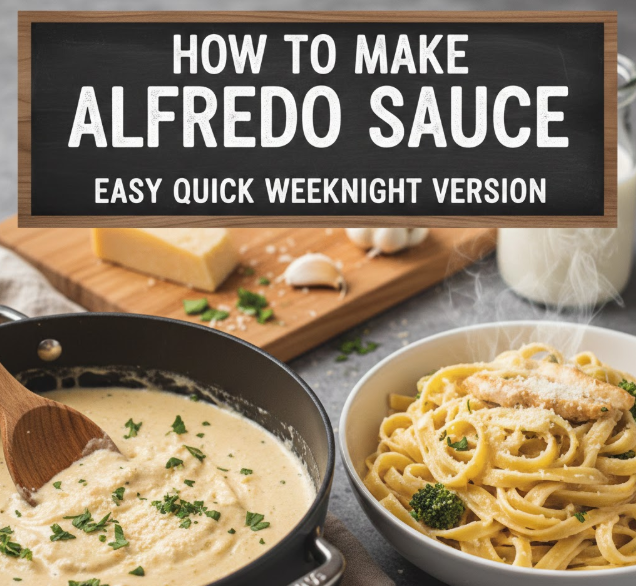
For busy evenings, you can simplify the process while maintaining flavor integrity.
Quick Method Overview
• Melt butter and sauté garlic.
• Add heavy cream and simmer briefly.
• Stir in Parmesan until smooth.
• Toss with cooked pasta.
• Adjust seasoning.
• Serve immediately.
This streamlined approach takes under 20 minutes.
Also Read:- How to Make Pancakes: The Ultimate Step-by-Step Guide for Perfect Results
Conclusion
Learning how to make Alfredo sauce empowers you to create a comforting, luxurious meal from simple ingredients. Whether you prefer traditional butter-and-cheese authenticity, a lighter milk-based version, or a quick weeknight method, mastering technique ensures success.
Control heat, use quality cheese, and understand emulsification—and your Alfredo sauce will rival restaurant dishes every time.
FAQs
Why did my Alfredo sauce separate?
High heat or pre-shredded cheese often causes separation. Keep temperature moderate.
Can I store leftover Alfredo sauce?
Yes. Refrigerate up to 3 days and reheat gently with added milk.
Can I freeze Alfredo sauce?
Cream-based sauces may separate after freezing. Reheating slowly helps restore texture.
What pasta works best?
Fettuccine is traditional, but penne and linguine also work well.
Is Alfredo sauce Italian?
The original version is Roman, created by Alfredo di Lelio, though American adaptations differ significantly.
Visit For More Information Go To entrepreneurideas