
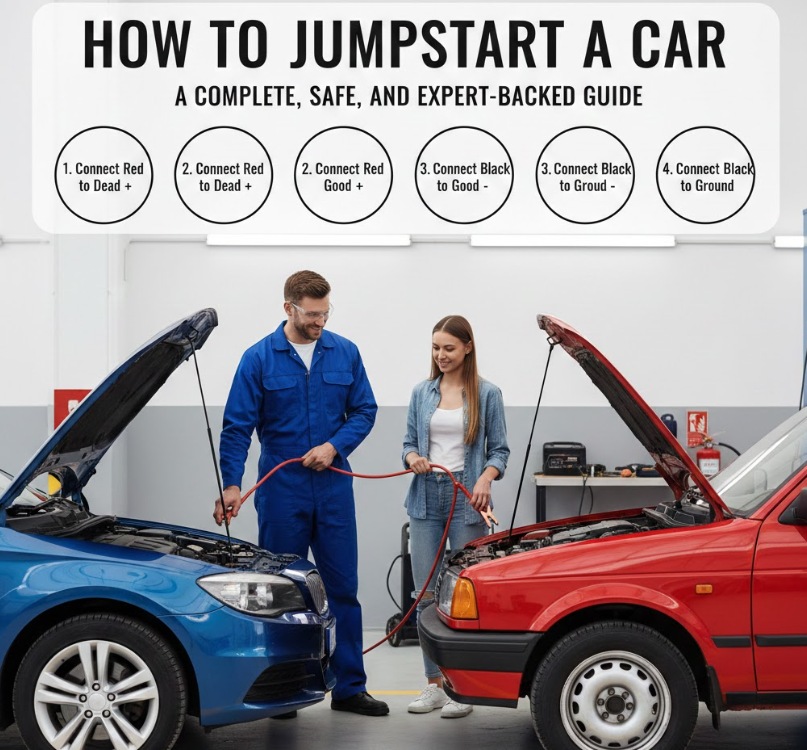
A dead car battery can happen to anyone, often at the worst possible moment. Knowing how to jumpstart a car is an essential life skill that can save time, money, and stress. Whether you are stuck in a parking lot, at home, or on the roadside, jumpstarting a car correctly can get you back on the road within minutes.
Understanding how to jumpstart a car safely is just as important as knowing the steps. Incorrect connections, rushing the process, or ignoring safety precautions can damage your vehicle’s electrical system or cause personal injury. This guide explains every major method—from traditional jumper cables to modern cable-free options—using clear language, real-world experience, and expert-approved practices.
How to Jumpstart a Car with Jumper Cables
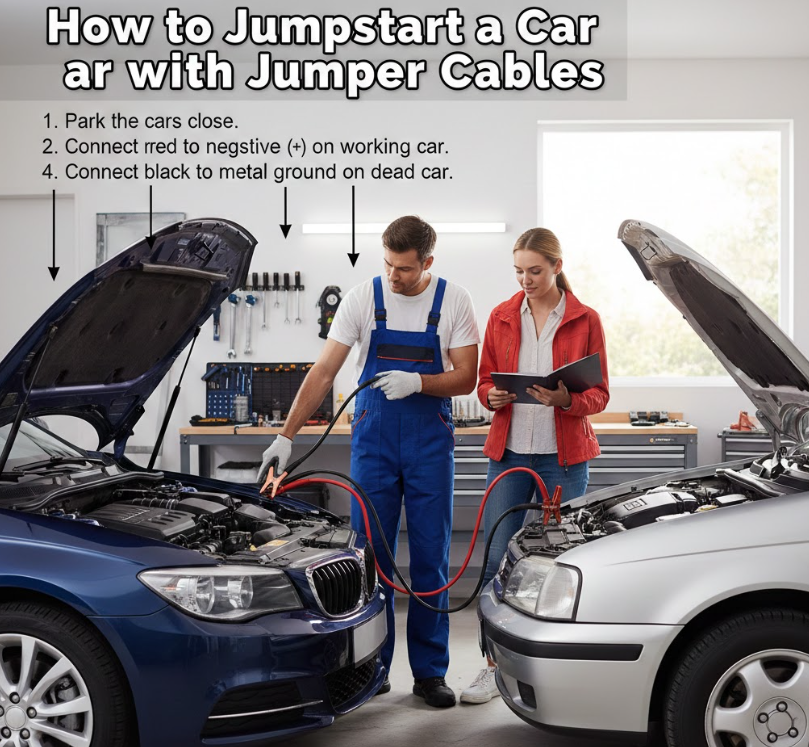
Jumpstarting a car with jumper cables is the most common and widely recommended method. It uses electrical power from a working battery to revive a dead one, allowing the vehicle to start normally. This method has been used for decades and remains reliable when done correctly.
Understanding each step and connection point is critical, as modern vehicles contain sensitive electronics that can be damaged by improper handling.
Safe and Effective Steps to Jumpstart a Car with Jumper Cables
• Position both vehicles correctly before connecting cables
Both vehicles should be parked close enough for the cables to reach but not touching. Engines must be turned off, parking brakes engaged, and transmissions placed in park or neutral. This setup prevents accidental movement and electrical surges.
• Identify positive and negative terminals accurately
Car batteries have clearly marked terminals. The positive terminal usually has a red cover or plus sign, while the negative terminal is marked with a minus sign. Correct identification prevents reversed polarity, which can damage alternators and onboard computers.
• Connect cables in the proper order
Attach the red clamp to the dead battery’s positive terminal first, then to the working battery’s positive terminal. Next, connect the black clamp to the working battery’s negative terminal and the final black clamp to an unpainted metal surface on the dead car.
• Start the donor vehicle and allow charging time
Let the donor car run for several minutes. This allows the dead battery to receive enough charge to start safely, reducing strain on both electrical systems.
• Start the dead vehicle carefully
Turn the ignition slowly and listen for engine response. If the engine does not start immediately, wait another minute before trying again to avoid overheating components.
• Disconnect cables in reverse order
Remove the black clamp from the grounded metal first, then the donor battery, followed by the red clamps. This minimizes the risk of sparks or electrical shorts.
Also Read:-How to Get Ink Out of Clothes: A Complete Fabric-Safe Stain Removal Guide
How to Jumpstart a Car with Cables (Beginner-Friendly Explanation)
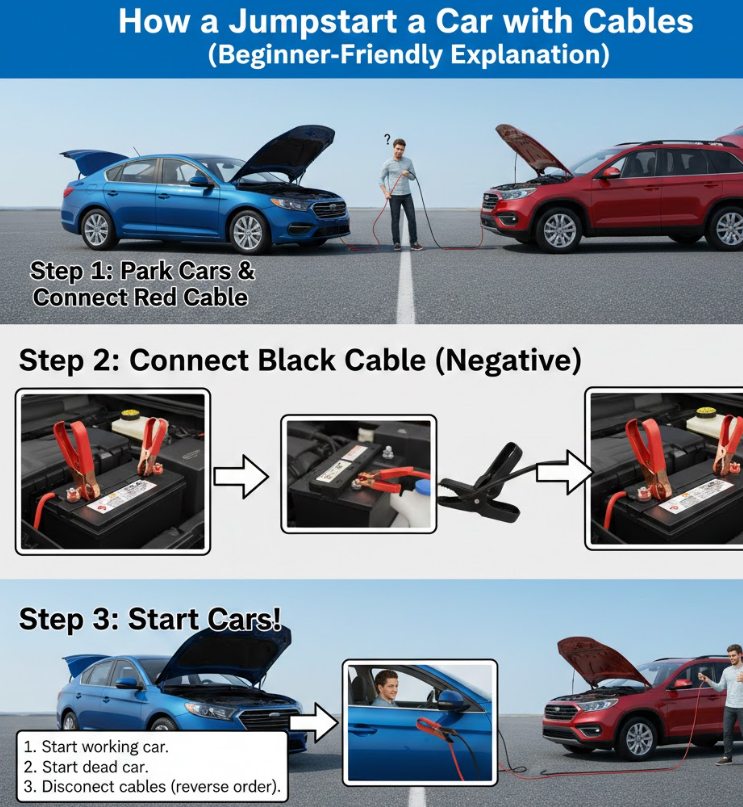
Many drivers search for how to jumpstart a car with cables because they want reassurance they’re doing it correctly. While similar to jumper cables, this explanation focuses on simplicity and confidence for beginners.
Understanding the logic behind each step reduces fear and increases safety.
Beginner-Safe Cable Jumpstarting Techniques
• Understand why cable order matters
The sequence prevents sparks near the battery, which may emit flammable hydrogen gas. Following the correct order protects both people and vehicles.
• Use quality, insulated jumper cables
Thicker cables transfer power more efficiently and reduce heat buildup. Cheap or damaged cables increase risk and reduce effectiveness.
• Avoid touching clamps together
Metal-to-metal contact between clamps can create sparks and short circuits. Always keep clamps separated until connected properly.
• Limit jumpstart attempts
Repeated attempts without allowing recharge time can damage starters and batteries. Patience improves success and safety.
• Keep accessories turned off
Lights, radios, and climate controls should be off to direct maximum power to the engine start.
• Drive the car after successful start
Once started, driving for at least 20–30 minutes allows the alternator to recharge the battery adequately.
Also Read:- How to Make French Press Coffee: A Complete Home Brewing Guide
How to Jumpstart a Car by Yourself
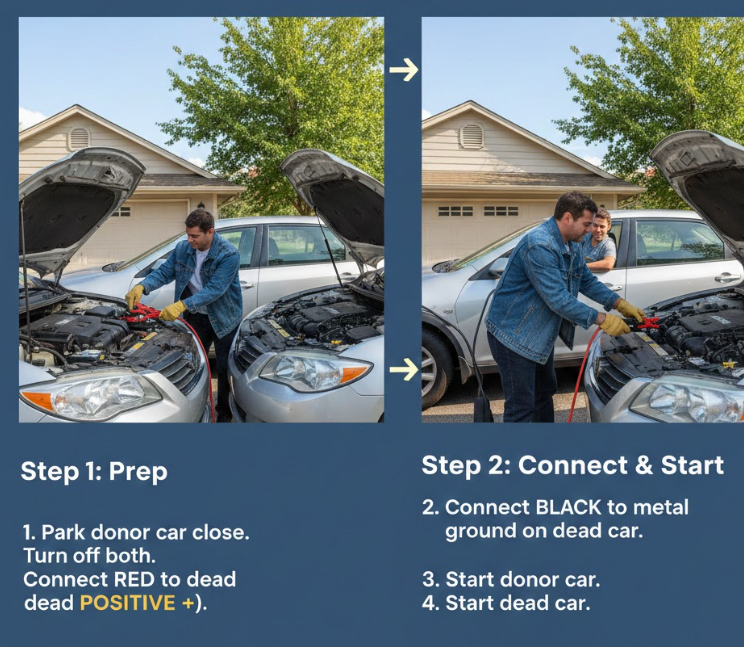
Jumpstarting a car alone may seem impossible, but modern tools make it achievable. Learning how to jumpstart a car by yourself is especially useful when no other vehicles are available.
Portable jump starters have transformed roadside emergencies, making solo jumpstarts safer and faster.
Self-Jumpstarting Methods That Actually Work
• Use a portable jump starter correctly
These compact devices store enough power to start a car independently. Following manufacturer instructions ensures safe and effective use.
• Charge the jump starter fully in advance
A partially charged device may fail when needed most. Keeping it charged ensures readiness during emergencies.
• Connect clamps with the engine off
Attach positive and negative clamps before powering the device. This reduces risk and ensures correct voltage delivery.
• Turn on the jump starter before ignition
Activating the device sends power to the battery. Only then should you attempt to start the car.
• Disconnect immediately after starting
Once the engine is running, disconnect clamps to prevent overcharging or electrical stress.
• Store the device properly after use
Keep it in a temperature-stable environment to preserve battery life and reliability.
Also Read:- How to Hold a Golf Club: The Complete Guide to a Perfect Grip
How to Jumpstart a Car Without Cables
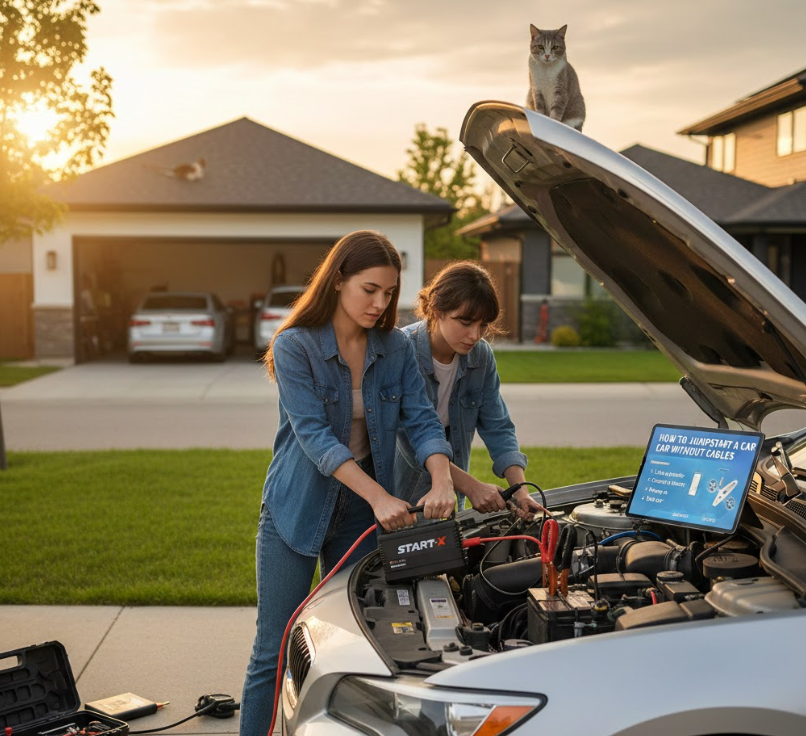
Knowing how to jumpstart a car without cables is increasingly relevant as technology advances. While traditional cables remain common, alternative methods exist for modern drivers.
This approach focuses on emergency readiness rather than improvisation.
Cable-Free Jumpstarting Options Explained
• Portable battery boosters
These devices eliminate the need for another vehicle, offering independence and reliability in remote areas.
• Built-in emergency jump systems
Some modern vehicles include factory-installed battery assistance features designed for emergencies.
• Roadside assistance tools
Smart battery packs with diagnostics can detect proper connection automatically, reducing user error.
• Why push-starting rarely works today
Modern automatic transmissions and electronic ignition systems make push-starting ineffective and unsafe.
• Avoid unsafe DIY hacks
Using household items or makeshift tools can damage electronics and cause injury.
• Prepare before emergencies happen
Preventive tools and education are more effective than last-minute improvisation.
Also Read:- How to Hang Curtains: A Complete Step-by-Step Guide for Every Space
How to Jumpstart a Car with Another Car
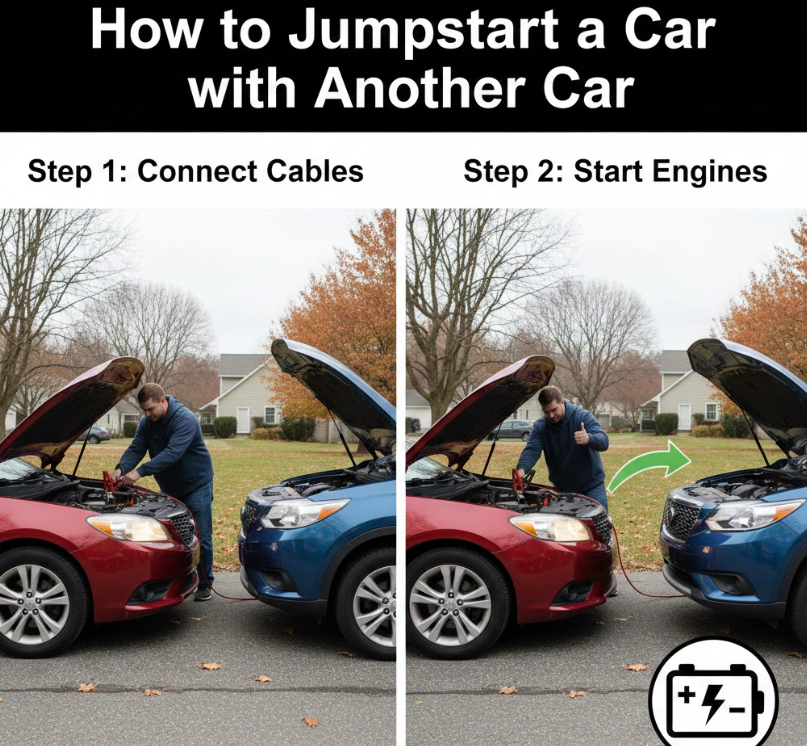
Using another vehicle remains one of the most reliable ways to jumpstart a car. Learning how to jumpstart a car with another car safely protects both vehicles from electrical damage.
This method requires cooperation, communication, and attention to detail.
Best Practices for Jumpstarting with Another Vehicle
• Ensure voltage compatibility
Both vehicles should use similar battery voltages (typically 12V). Mixing incompatible systems can cause serious damage.
• Communicate clearly with the other driver
Clear coordination prevents accidental engine starts or premature cable removal.
• Avoid revving the donor engine excessively
High RPMs are unnecessary and can stress electrical systems.
• Monitor dashboard warning lights
Unexpected warnings may indicate incorrect connections or system stress.
• Limit jump duration
Extended jumpstarts can overheat cables and batteries.
• Thank and release the helper safely
Once complete, ensure cables are removed properly before both vehicles drive away.
Also Read:- How to Become a Travel Agent – The Complete Career Guide
Conclusion: Mastering How to Jumpstart a Car Safely
Knowing how to jumpstart a car empowers drivers to handle one of the most common vehicle emergencies confidently. Whether using jumper cables, another car, or a portable jump starter, following expert-approved steps protects both you and your vehicle. With preparation, patience, and proper technique, jumpstarting a car becomes a simple and safe task rather than a stressful experience.
FAQs
Can jumpstarting damage my car?
Yes, if done incorrectly. Proper cable order and compatible voltage prevent damage.
How long should I drive after jumpstarting?
At least 20–30 minutes to recharge the battery.
Do modern cars need special care when jumpstarting?
Yes. Sensitive electronics make correct procedures more important than ever.
Visit For More Information Go To entrepreneurideas