

Drain flies, also known as moth flies or sewer gnats, are small, fuzzy insects that thrive in damp, organic-rich areas like drains, sinks, and shower traps. While they don’t bite or transmit diseases, their presence is unsanitary and frustrating. Knowing how to get rid of drain flies efficiently can prevent infestations, improve hygiene, and restore comfort to your home.
This guide explains how to eliminate drain flies in bathrooms, kitchens, showers, and across the house, using safe, permanent methods. It also covers prevention tips, quick eradication strategies, and solutions for stubborn infestations. With this information, homeowners and renters alike can tackle the problem systematically and prevent reoccurrence.
Understanding Drain Flies and Their Habits
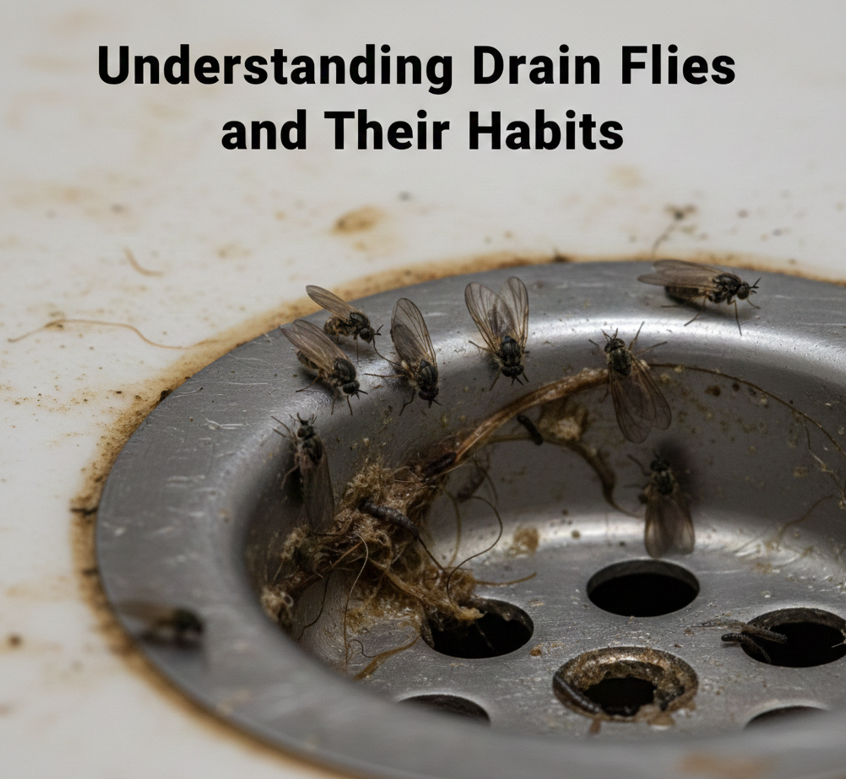
Drain flies are tiny, fuzzy insects that breed in organic material inside drains. They are typically 1/16–1/4 inch long, gray or black, and have hairy wings, giving them a moth-like appearance. While harmless in terms of bites, drain flies indicate unsanitary conditions and clogged drains.
Drain flies lay eggs in moist biofilm, organic sludge, and decaying matter. Their life cycle is short: eggs hatch in 48 hours, larvae mature in 7–10 days, and adults live about two weeks. This rapid breeding makes it critical to address both adult flies and the underlying breeding sites.
• Drain flies thrive in stagnant water and organic matter in drains.
• Bathrooms, kitchens, and laundry areas are common hotspots.
• Overflows, floor drains, and clogged pipes increase infestation risk.
• Adult flies often rest near drain openings or in humid corners.
• Early detection is vital for preventing large infestations.
• Eliminating breeding sites is key to permanent control.
Understanding their biology helps in selecting effective control measures.
Also Read :- How to Endorse a Check: The Complete Step-by-Step Guide
How to Get Rid of Drain Flies in Bathroom
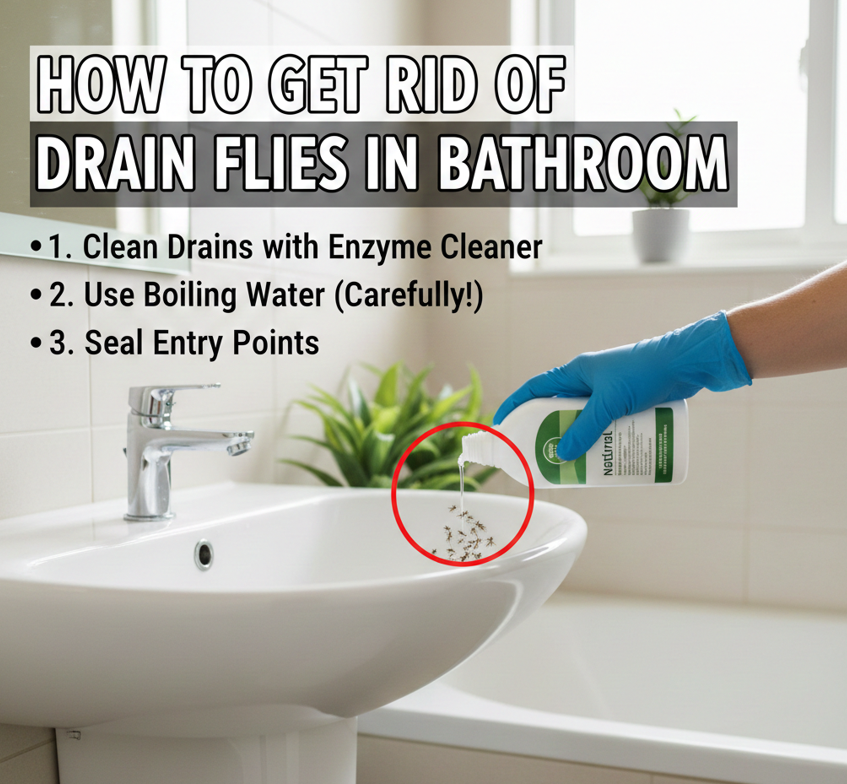
Bathrooms provide ideal conditions for drain flies due to sinks, bathtubs, and shower drains. Soap residue, hair, and organic buildup can accumulate, forming perfect breeding grounds.
Cleaning and draining stagnant water are essential for elimination. Regular maintenance ensures that larvae don’t have a place to develop, breaking the reproductive cycle.
• Remove hair and soap scum from drains.
• Pour boiling water down sinks and shower drains.
• Use a drain brush or pipe cleaner to remove biofilm.
• Apply enzymatic drain cleaners to break down organic matter.
• Ensure the bathroom is dry after use to prevent moisture buildup.
• Seal unused drains temporarily with tape or covers to prevent adult flies from escaping.
Consistent bathroom hygiene is critical for permanent drain fly control.
Also Read :- How to Make Oobleck: The Complete Science-Backed Guide for Kids and Adults
How to Get Rid of Drain Flies in House
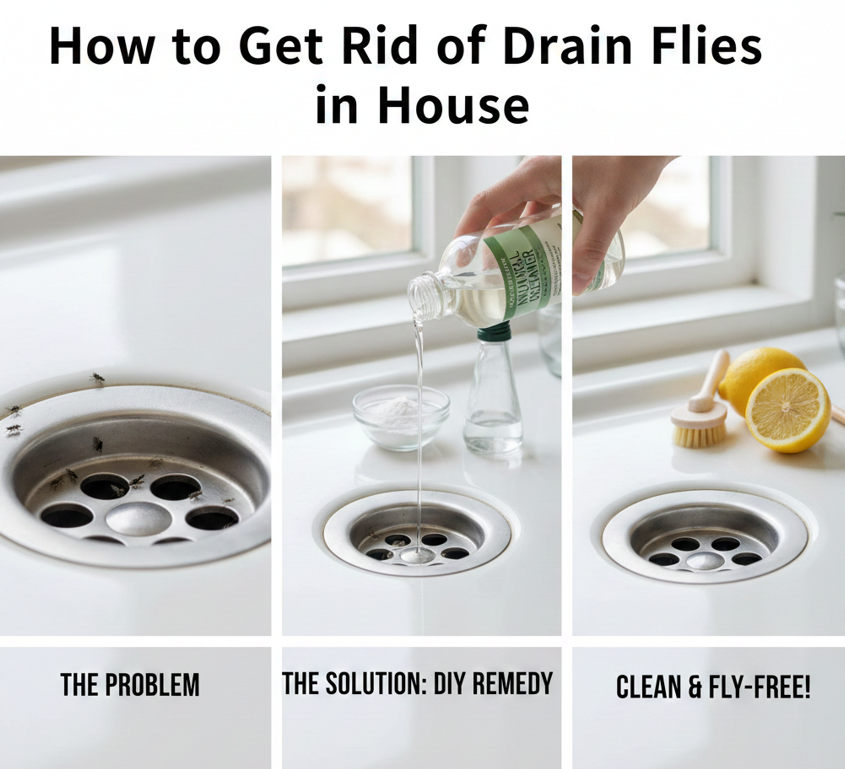
Drain flies can spread beyond bathrooms, infesting kitchens, laundry rooms, and even basements. Effective control involves identifying all potential breeding sites and using a holistic approach.
Start by inspecting all sinks, floor drains, and humid areas. Target both adult flies and larvae to prevent re-infestation.
• Inspect all drains and plumbing fixtures in the house.
• Clean sink and floor drains with enzymatic cleaners.
• Eliminate standing water around laundry machines, sinks, or humidifiers.
• Use sticky traps near infested areas to capture adults.
• Seal cracks or gaps where flies may enter.
• Maintain regular cleaning schedules to prevent organic buildup.
A whole-house approach ensures long-term eradication and reduces the risk of recurrence.
Also Read :- How to Cancel Kindle Unlimited: The Complete Step-by-Step Guide
How to Get Rid of Drain Flies Permanently
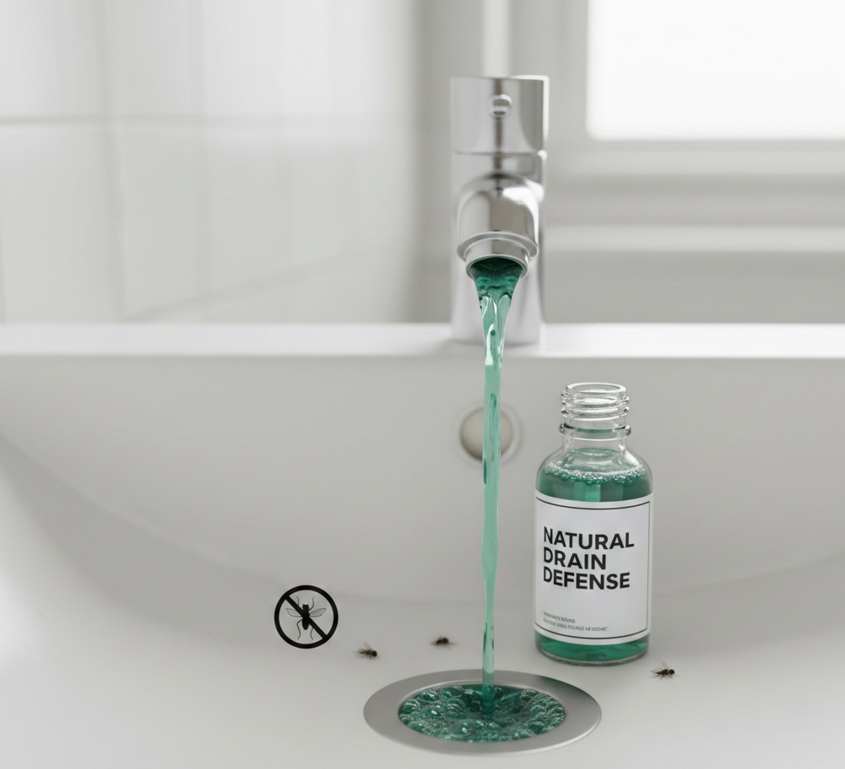
Permanent elimination requires addressing the source of the infestation and maintaining preventive measures. Simply killing adult flies provides temporary relief but does not break the breeding cycle.
Targeting larval habitats and implementing ongoing maintenance is key for lasting results.
• Clean drains thoroughly to remove biofilm.
• Use enzymatic or bacterial drain treatments to digest organic material.
• Repair leaky pipes or faucets that produce excess moisture.
• Install drain screens to prevent flies from accessing pipes.
• Regularly pour boiling water down drains.
• Monitor for new infestations and act quickly if adults reappear.
Persistence and maintenance are the foundation for permanent control.
Also Read :- How to Make Cold Foam: The Complete Barista-Level Guide for Perfect Coffee Topping
How to Get Rid of Drain Flies Quick
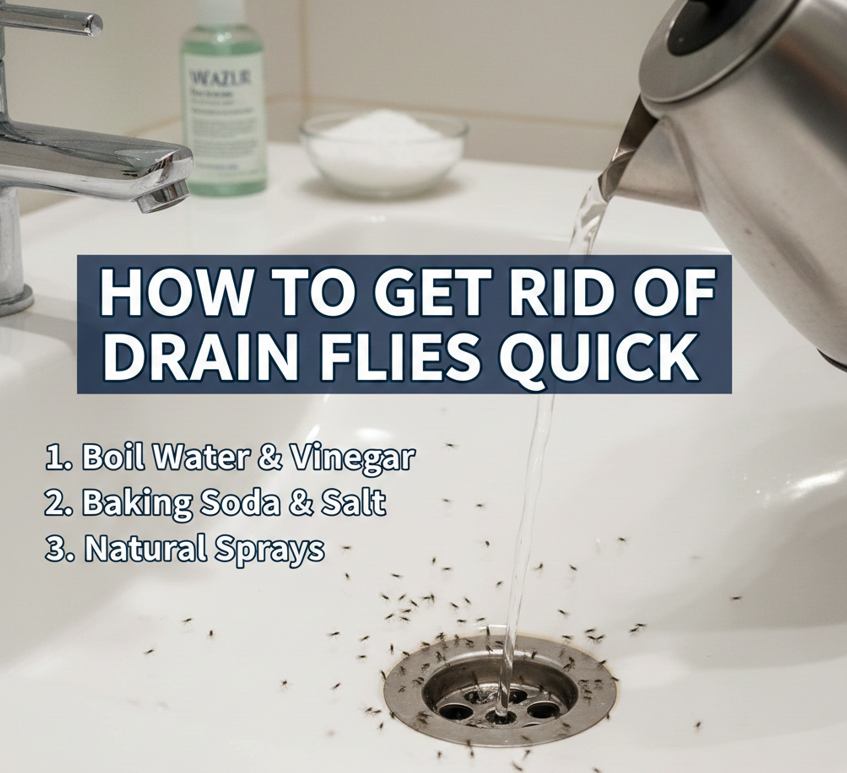
For immediate relief, focus on killing adult flies and preventing new ones from emerging. Quick control is often a combination of mechanical removal and chemical or natural solutions.
This approach does not eliminate larvae in drains but reduces nuisance flies while you address the source.
• Use sticky fly traps near drain openings.
• Spray fly insecticides labeled for indoor use.
• Wipe down surfaces where flies rest, including mirrors and tiles.
• Vacuum adult flies if infestation is visible.
• Cover drains temporarily to trap emerging adults.
• Encourage proper ventilation to reduce humidity and flying activity.
Quick methods provide relief but should be combined with permanent solutions.
Also Read :- How to Make Jello Shots: The Ultimate Step-by-Step Guide for Perfect Results
How to Get Rid of Drain Flies in Shower
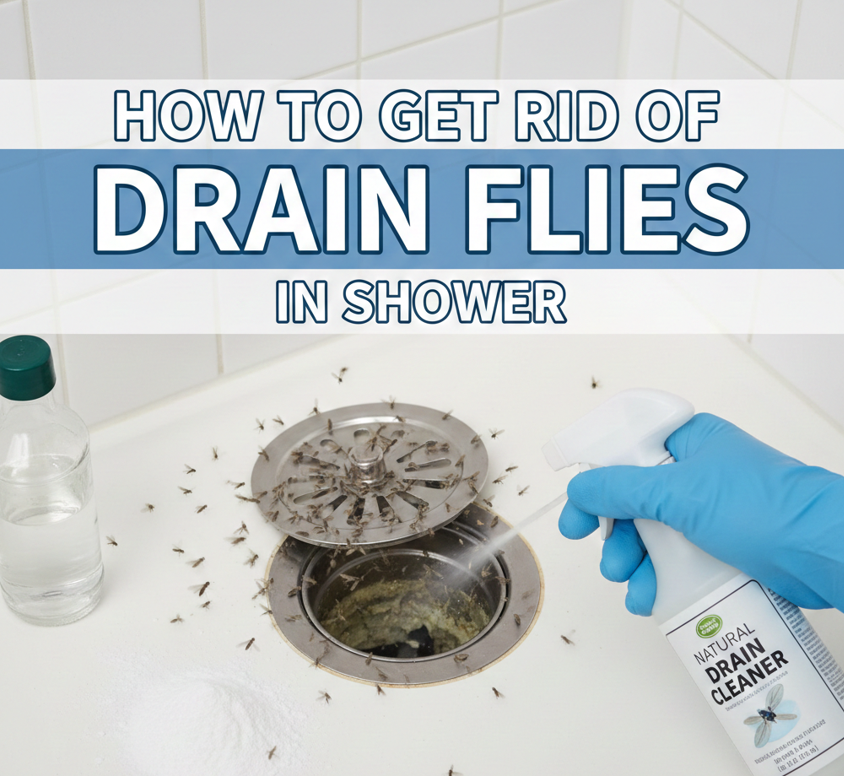
Shower drains accumulate hair, soap, and body oils, creating ideal breeding conditions. Regular cleaning and disinfecting prevent larvae from developing into adults.
Addressing shower drains ensures that infestations do not spread to bathrooms or the rest of the house.
• Remove hair and debris from the drain grate.
• Scrub the interior of the drain with a drain brush.
• Pour boiling water down the shower drain regularly.
• Apply enzymatic cleaners specifically designed for biofilm removal.
• Ensure proper ventilation and drying after each shower.
• Use drain covers to trap emerging flies until the infestation is under control.
Shower maintenance is essential for long-term bathroom hygiene and fly prevention.
Also Read :- How to Draw Stitch (Complete Beginner-to-Pro Drawing Guide)
How to Get Rid of Drain Flies for Good
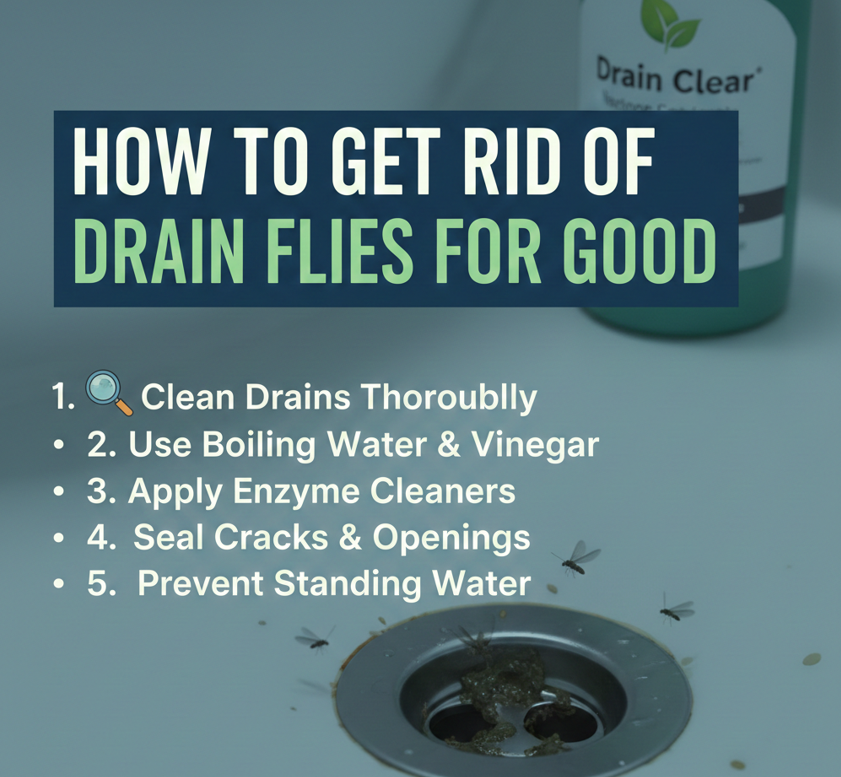
“Getting rid of drain flies for good” means combining elimination of breeding sites with ongoing preventive practices. This requires attention to all water sources and drains, not just visible infestations.
Consistency is key—clean drains, monitor humidity, and use preventive measures to avoid re-infestation.
• Clean all drains monthly to prevent biofilm buildup.
• Keep drains dry when not in use.
• Use natural or enzymatic treatments periodically.
• Inspect plumbing for leaks or stagnant water.
• Maintain proper ventilation and reduce humidity.
• Educate household members about proper drain hygiene.
By treating both the source and environment, permanent control is achievable.
How to Get Rid of Drain Flies in Kitchen
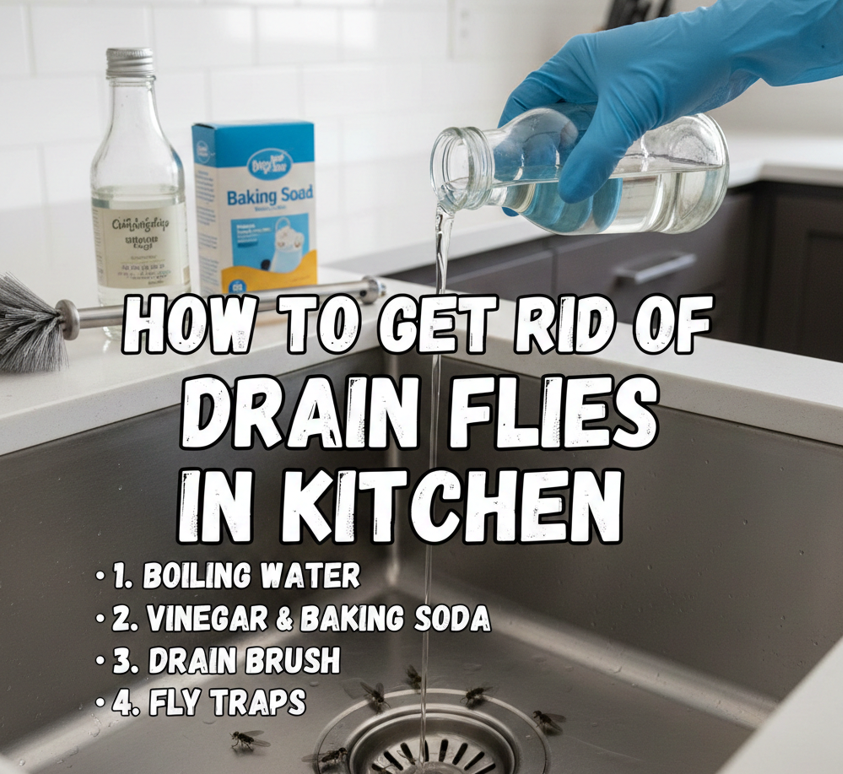
Kitchen sinks, garbage disposals, and floor drains are major drain fly habitats due to food residues and moisture. Cleaning these areas is crucial to prevent health hazards.
Kitchen infestations can quickly spread to other parts of the home if left unchecked.
• Scrub sink and disposal to remove organic buildup.
• Pour boiling water or vinegar down drains.
• Use enzyme cleaners to digest food residues.
• Avoid leaving food scraps or dirty dishes overnight.
• Install mesh drain screens to block flies.
• Monitor and clean trash bins and compost areas regularly.
Targeting kitchen breeding grounds is essential for whole-house prevention.
Conclusion:
Successfully eliminating drain flies involves a combination of identifying breeding sites, cleaning drains, controlling adults, and maintaining dry, hygienic conditions. Whether in bathrooms, kitchens, or across the house, the key is consistency and targeting both adults and larvae.
By following the methods outlined in this guide, homeowners can eliminate drain flies quickly, permanently, and safely, restoring comfort and hygiene to their living spaces. Regular monitoring, cleaning, and preventive maintenance ensure that these pests do not return.
FAQs
Are drain flies harmful?
No, they don’t bite or transmit diseases but indicate unsanitary conditions.
How long does it take to get rid of drain flies?
With proper cleaning, elimination can take 1–2 weeks to break the breeding cycle.
Can drain flies return?
Yes, if drains or moisture sources are not maintained. Regular cleaning prevents recurrence
Visit For More Information Go To entrepreneurideas