
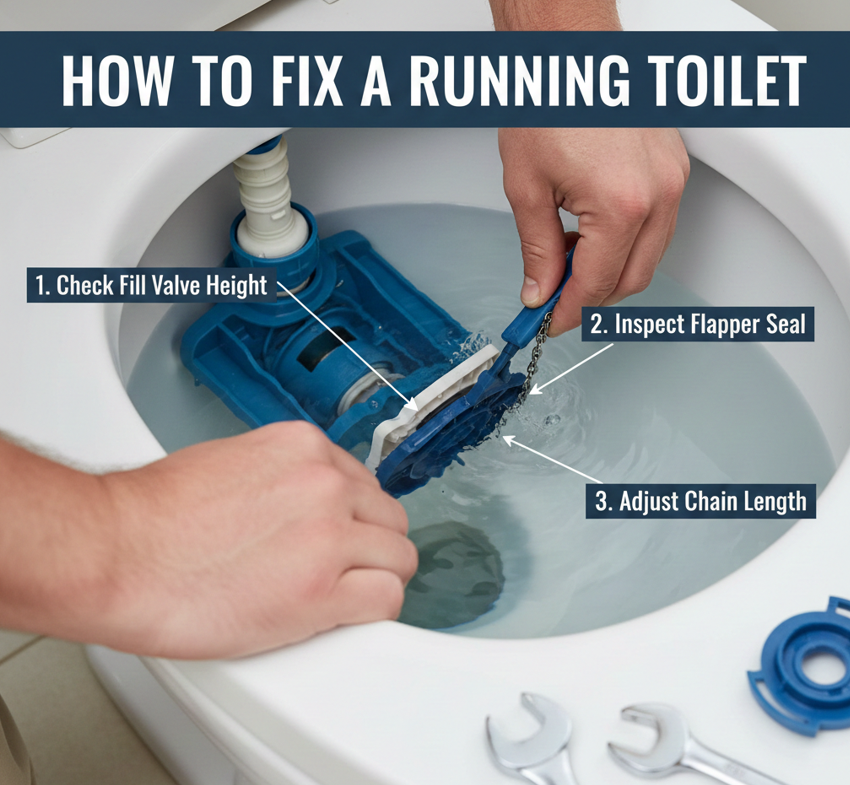
A running toilet can waste hundreds of gallons of water monthly and significantly increase your utility bills. Understanding how to fix a running toilet is essential for any homeowner or renter.
Whether your toilet has a button flush, a tank issue, or a malfunctioning fill valve, this guide will help you identify the problem and fix it effectively. By following proven methods and expert tips,
you can restore your toilet to normal operation and save water and money in the process.
Understanding Why Toilets Run Continuously
A running toilet is often caused by worn-out parts, incorrect water levels, or simple mechanical failures. Before attempting a repair, it is important to understand the mechanics behind your toilet. Toilets operate using a combination of a fill valve, flapper, flush valve, and overflow tube. When one of these parts malfunctions, water continues to flow into the bowl or tank, resulting in wasted water and higher bills.
. Faulty Flapper: The flapper acts as a seal for the flush valve. When worn, warped, or misaligned, it allows water to leak from the tank into the bowl, causing continuous running.
. Improper Water Level: If the water level in the tank is too high, it will spill into the overflow tube, continuously draining water. Adjusting the float is often the easiest fix.
. Malfunctioning Fill Valve: The fill valve controls water flow into the tank. If it fails, it can let water flow endlessly or stop filling altogether.
. Debris or Mineral Build-Up: Sediment from hard water can clog or prevent proper valve sealing, causing leaks and constant running.
. Worn Flush Button or Mechanism: Modern toilets with button flush systems may experience sticking buttons or faulty internal mechanisms. This can result in a toilet running without stopping.
. Loose or Misaligned Components: Nuts, bolts, and seals can loosen over time, misaligning parts and causing water to escape. Regular inspection and tightening are important for long-term function.
Also Read : How to Get Rid of Drain Flies: Complete Expert Guide
How to Fix a Running Toilet With a Button Flush
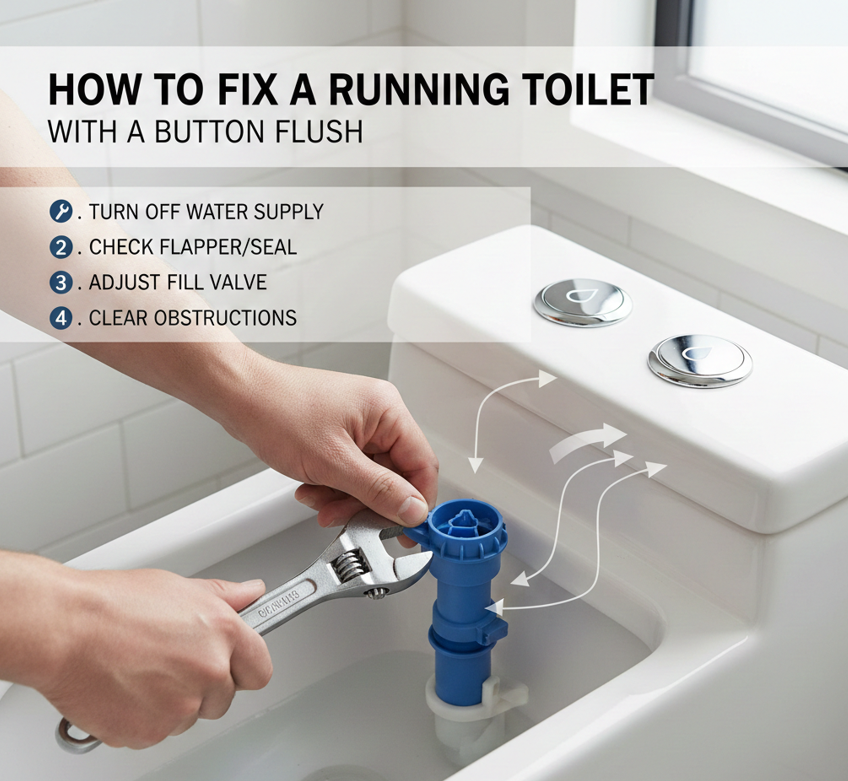
Button flush toilets are common in modern bathrooms. They use a push-button mechanism instead of a traditional handle. Problems with these toilets often arise from a misaligned flush button or internal valve issues.
. Inspect the Flush Button Mechanism: Remove the button cover and check for stuck or broken parts. Dust, dirt, or corrosion can prevent the valve from closing properly.
. Adjust the Internal Valve: Most button flush systems have a plastic valve that lifts when pressed. Ensure it aligns correctly and closes completely after flushing.
. Check the Seal or Gasket: The rubber or silicone seal beneath the button must be intact. If it is cracked or worn, water will continuously leak into the bowl.
. Clean Mineral Deposits: Hard water can build up inside the valve, preventing a proper seal. Use vinegar or a mild descaler to remove deposits.
. Replace Worn Parts: Button flush kits are affordable and can replace the entire mechanism in minutes. This is often the fastest fix for persistent running toilets.
. Test Multiple Flushes: After adjustments, flush the toilet several times to ensure the button and valve are operating smoothly. Continuous testing prevents recurring leaks.
Also Read : How to Endorse a Check: The Complete Step-by-Step Guide
How to Fix a Running Toilet Tank
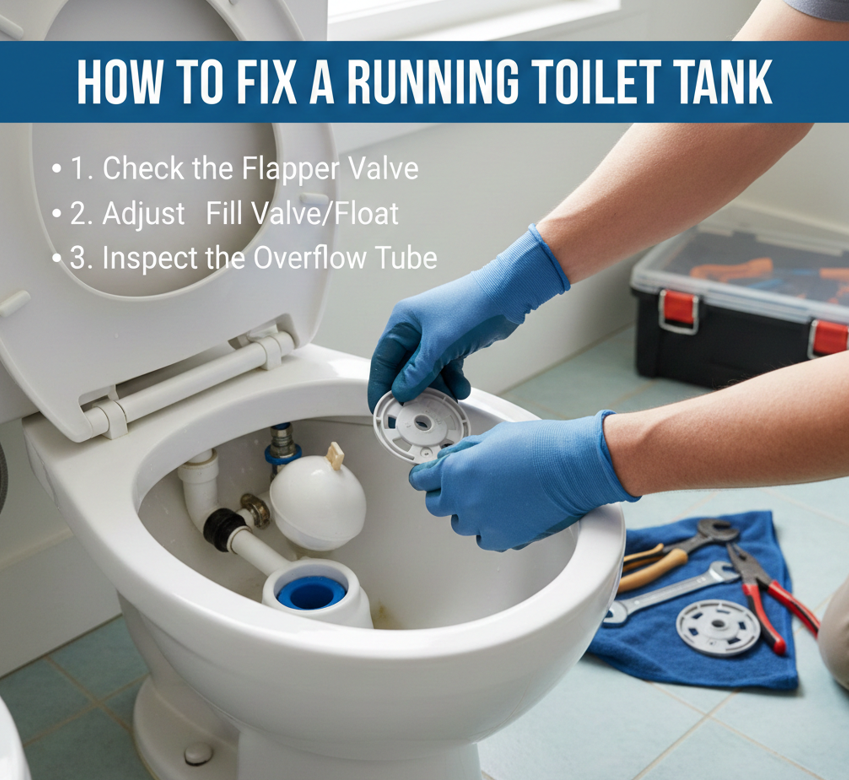
The toilet tank is the central component where most running issues originate. Understanding the tank’s components and water level is key to proper repair.
. Inspect the Tank Lid and Cover: Make sure the tank lid is seated correctly. Improper lid placement can misalign the float and other internal parts.
. Adjust the Float: Toilets often have a ball or cylinder float that controls water level. Lowering the float prevents water from overflowing into the overflow tube.
. Check the Flapper Seal: Look for warping, tears, or misalignment in the flapper. A damaged flapper is one of the most common causes of tank leaks.
. Examine the Overflow Tube: Ensure it is properly positioned. If water constantly flows into it, adjust the water level or float height.
. Tighten Loose Tank Bolts: Loose bolts can cause misalignment of internal parts, leading to water leakage. Check the tank-to-bowl bolts as well.
. Clean Internal Components: Debris inside the tank can interfere with the fill valve or flush mechanism. Cleaning the tank helps restore proper operation.
Also Read : How to Make Oobleck: The Complete Science-Backed Guide for Kids and Adults
How to Fix a Running Toilet Without a Ball Float
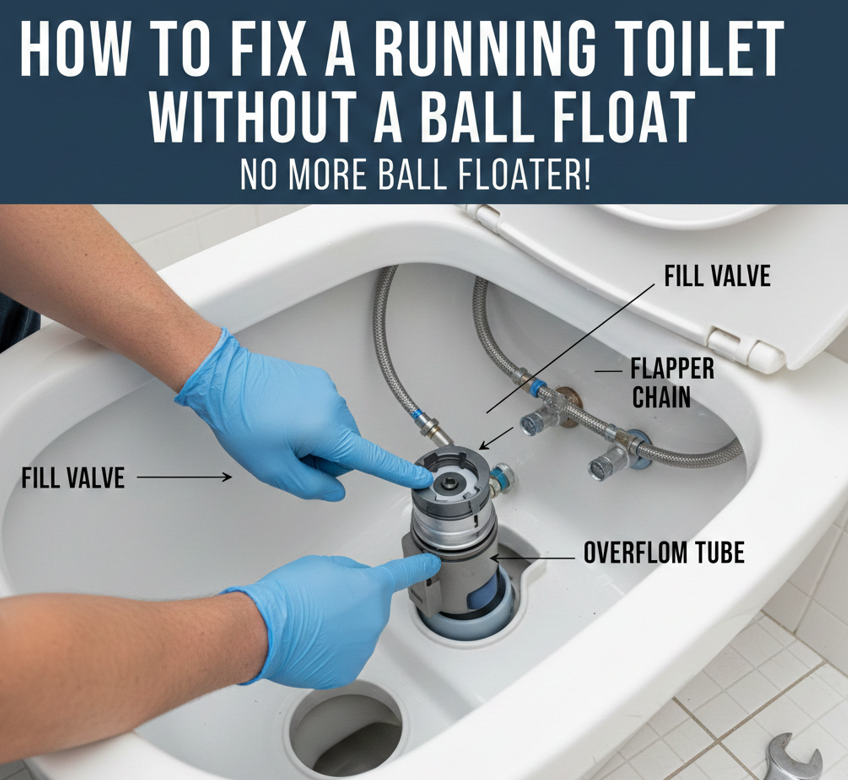
Many modern toilets use cylinder floats instead of the traditional ball float. Fixing a running toilet without a ball float requires slightly different steps.
. Check the Cylinder Float: Ensure it moves freely along the vertical rod. Stuck floats will prevent the fill valve from shutting off.
. Adjust the Rod or Clip: Most cylinder floats have an adjustment clip or screw. Raise or lower it to set the correct water level.
. Inspect the Fill Valve for Debris: Mineral deposits inside the fill valve can prevent the float from functioning. Clean or replace the valve as necessary.
. Replace Worn Seals: Cylinder floats rely on internal seals to stop water flow. Replace any worn seals to prevent continuous running.
. Lubricate Moving Parts: Lightly lubricate float stems or rods with plumber-safe grease to improve smooth movement.
. Test for Proper Shutoff: Flush the toilet multiple times to ensure the float fully closes the fill valve each time.
Also Read : How to Cancel Kindle Unlimited: The Complete Step-by-Step Guide
How to Fix a Running Toilet Fill Valve
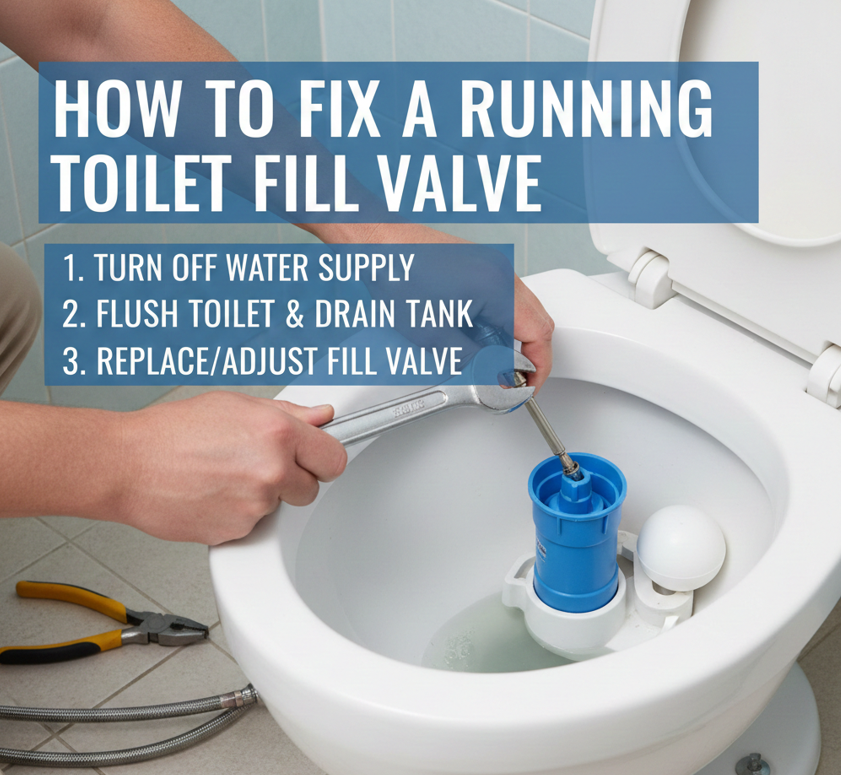
The fill valve regulates water entering the tank. A faulty fill valve is a major cause of running toilets.
. Turn Off Water Supply: Before any repair, shut off the water at the supply valve to prevent flooding.
. Inspect the Fill Valve for Wear: Look for cracks, leaks, or malfunctioning parts that may allow water to flow continuously.
. Clean Valve Components: Sediment and mineral deposits can prevent the valve from sealing. Remove the valve and soak parts in vinegar to clean.
. Adjust Valve Height: Proper valve height ensures correct water level and prevents overflow. Most valves have a height adjustment screw.
. Replace the Fill Valve if Needed: If cleaning or adjusting doesn’t work, replacing the valve is often the most effective solution. Modern valves are inexpensive and easy to install.
. Test After Installation: Open the water supply and flush several times to verify the running issue is resolved.
Also Read : How to Make Cold Foam: The Complete Barista-Level Guide for Perfect Coffee Topping
How to Fix a Running Toilet Without a Flapper
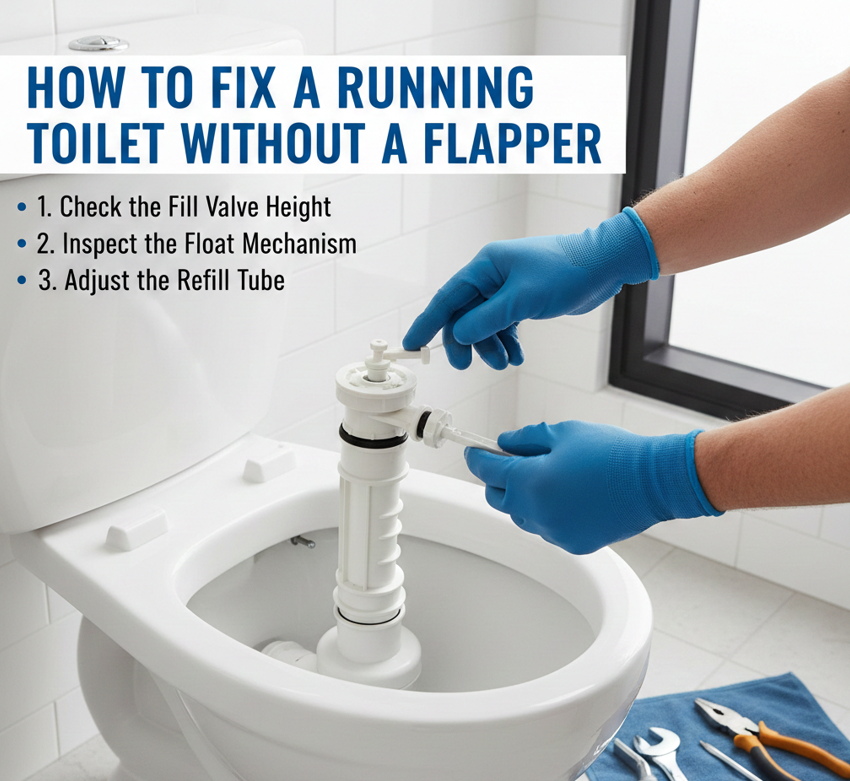
Some toilets use a flush valve design that does not rely on a traditional flapper. These systems often require specific fixes.
. Inspect the Flush Valve Seal: Even without a flapper, a rubber seal at the base of the valve may wear out, causing leaks.
. Check for Debris: Small particles can prevent the seal from seating properly. Cleaning the valve and seat resolves most issues.
. Adjust the Valve Mechanism: Make sure the internal mechanism lifts and closes properly after each flush.
. Replace the Seal or Gasket: Over time, even high-quality seals degrade. Replacing the seal restores proper function.
. Test Water Level and Float: Ensure the float is correctly set to prevent water from spilling into the overflow tube.
. Regular Maintenance: Toilets without flappers benefit from periodic inspections and cleaning to maintain a tight seal and proper operation.
Also Read : How to Make Jello Shots: The Ultimate Step-by-Step Guide for Perfect Results
Conclusion
Fixing a running toilet is a manageable DIY task if you understand the underlying causes. Whether your toilet uses a button flush, has a faulty fill valve, or lacks a flapper, identifying the problem and following systematic repairs can save water and prevent high bills. Regular inspections and maintenance ensure your toilet operates efficiently for years to come.
FAQs
Q1: How much water does a running toilet waste?
A running toilet can waste up to 200 gallons of water daily, depending on the leak size.
Q2: Can I fix a running toilet without professional help?
Yes, most running toilets can be fixed using simple tools and replacement parts.
Q3: How often should I check my toilet for leaks?
It’s recommended to inspect your toilet every 6 months for leaks, wear, and water efficiency
Visit For More Information Go To entrepreneurideas