
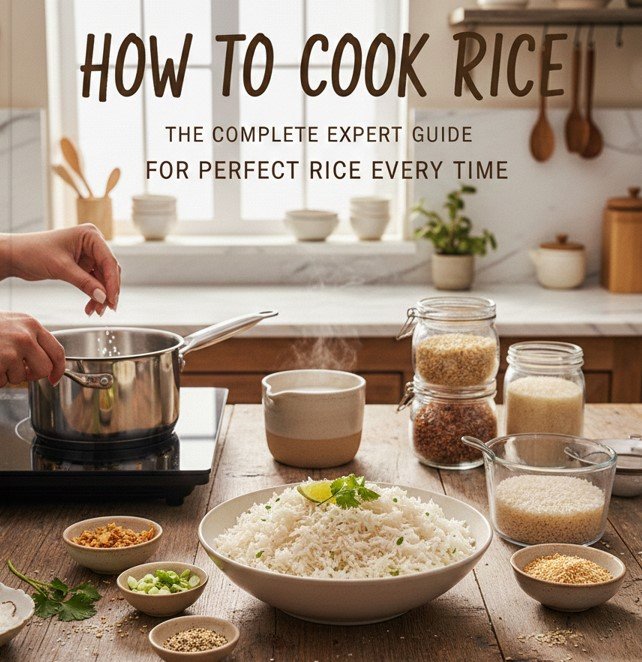
Learning how to cook rice correctly is one of the most essential kitchen skills worldwide. Rice feeds more than half of the global population every day, yet many home cooks still struggle with rice that turns out mushy, dry, gummy, or unevenly cooked. Cooking rice is simple in concept, but precision, technique, and understanding rice varieties make a dramatic difference in results.
This comprehensive guide is written from real cooking experience, supported by food science, cultural cooking traditions, and tested methods. Whether you want to know how to cook rice perfectly on the stove, in a pot, rice cooker, Instant Pot, oven, or the traditional Asian way, this article provides clear, reliable, and practical guidance you can trust.
Understanding Rice Before Cooking (Why Technique Matters)
Before learning how to cook rice perfectly, it’s important to understand what rice actually is and how it behaves when heated. Rice is a grain composed primarily of starch, and the balance between water, heat, and time determines its final texture.
When rice cooks, water penetrates the grain, causing starch granules to swell and gelatinize. Too much water causes grains to burst and release starch, creating mushy rice. Too little water prevents full gelatinization, resulting in hard centers.
Why Rice Cooking Fails Without Understanding
• Rice absorbs water at different rates depending on type
• Starch structure varies between varieties
• Heat consistency affects texture
• Steam finishing is critical
• Rinsing changes starch behavior
• Resting improves final grain separation
Understanding these fundamentals allows you to adapt techniques instead of relying on guesswork.
Types of Rice and How They Affect Cooking Results
Different rice varieties require different cooking methods. Knowing which rice you are using is essential to mastering how to cook rice consistently.
Rice Variety Explained
Rice is generally categorized by grain length and starch composition, which determines whether it cooks fluffy, sticky, or creamy.
Common Rice Types and Characteristics
• Long-grain rice (basmati, jasmine)
• Medium-grain rice (Calrose, arborio)
• Short-grain rice (sushi rice)
• Brown rice (whole grain)
• Parboiled rice
• Specialty rice (black, red, wild)
Each type requires specific water ratios and cooking times.
Also Read:- How to Toast Pecans: The Complete Guide for Perfect Flavor and Crunch
How to Prepare Rice Before Cooking (Critical First Step)
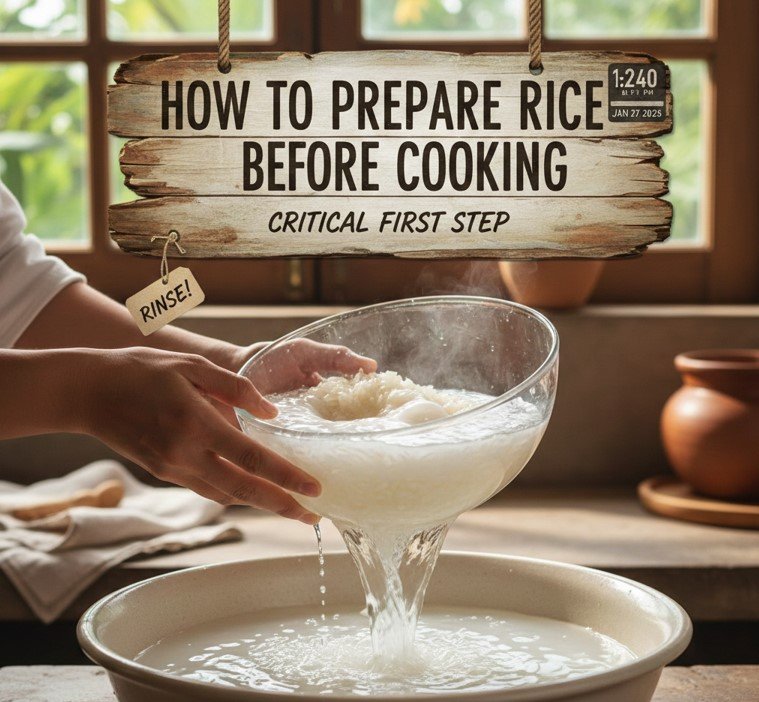
Preparation is often overlooked when learning how to cook rice, yet it directly affects texture and flavor.
Rice Preparation Explained
Proper rinsing and soaking remove excess surface starch and allow grains to hydrate evenly.
Preparation Best Practices
• Rinse rice until water runs clear
• Soak when required (basmati, brown rice)
• Drain thoroughly before cooking
• Measure rice accurately
• Measure water precisely
• Avoid guessing ratios
These steps prevent gummy or uneven rice.
Also Read:- How to Toast Pecans: The Complete Guide for Perfect Flavor and Crunch
How to Cook Rice Perfectly (Universal Principles)
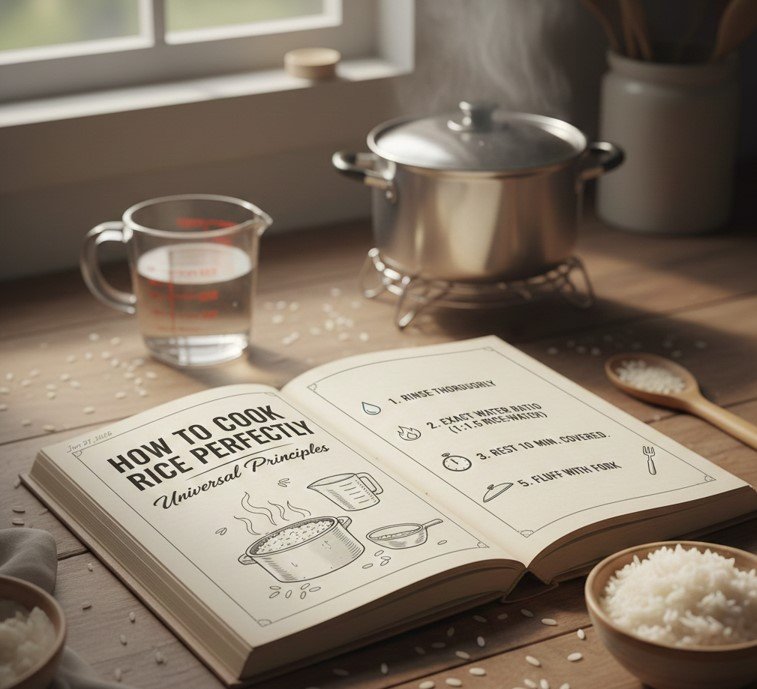
Mastering how to cook rice perfectly relies on consistent principles that apply across all methods.
Perfect Rice Defined
Perfect rice has fully cooked grains, no excess water, clean separation, and a pleasant bite.
Universal Rice Cooking Rules
• Correct water-to-rice ratio
• Gentle simmer, not rapid boil
• Tight lid during cooking
• No stirring during simmer
• Rest after cooking
• Fluff with fork, not spoon
These principles form the foundation of every method below.
Also Read:- How to Thread a Needle: A Complete Step-by-Step Guide for Beginners and Experts
How to Cook Rice on the Stove (Most Common Method)
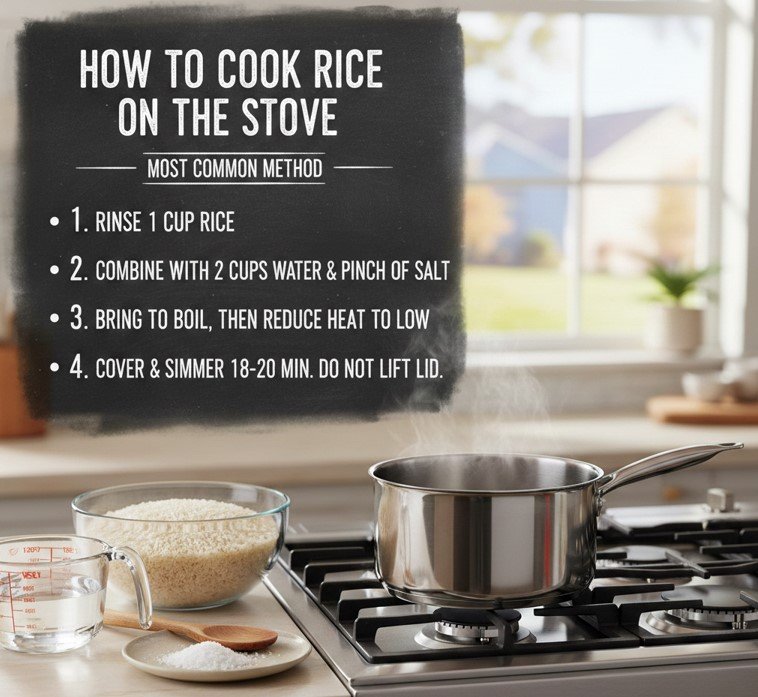
Learning how to cook rice on stove is essential because it works for nearly all rice varieties.
Stove-Top Cooking Explained
Stove cooking uses controlled simmering and steam to hydrate rice evenly.
Stove-Top Method Best Practices
• Use heavy-bottom pot
• Bring water to boil first
• Add rice and salt
• Reduce to low simmer
• Cover tightly
• Cook until water absorbed
This method offers flexibility and control.
Also Read:- How to Shrink a Shirt: A Complete Practical Guide for the Perfect Fit
How to Cook Rice in a Pot (Traditional Household Method)
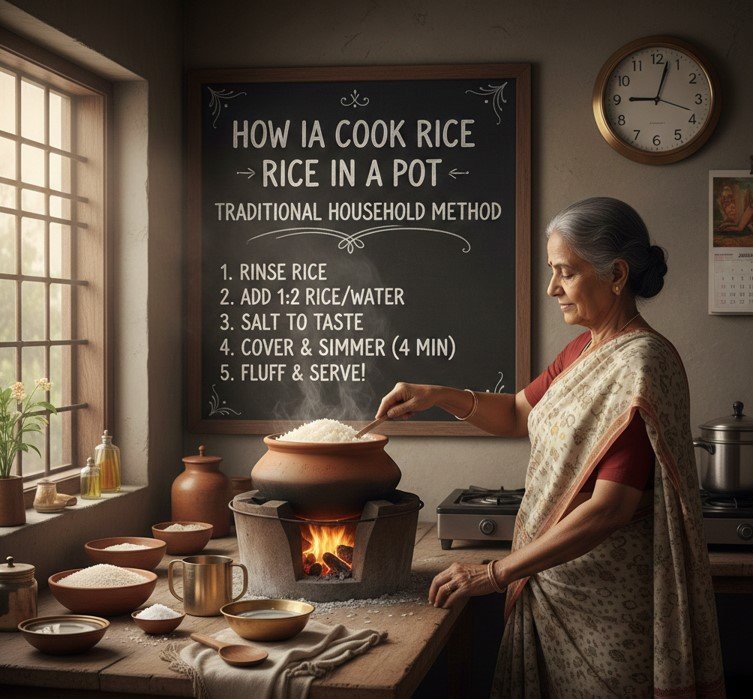
Many people search how to cook rice in a pot, especially in regions without rice cookers.
Pot Cooking Explained
Cooking rice in a pot requires attention to heat control and timing.
Pot Cooking Guidelines
• Choose correct pot size
• Avoid thin aluminum pots
• Maintain low heat
• Listen for simmer sounds
• Watch steam behavior
• Remove from heat at right time
This method rewards attentiveness with excellent results.
Also Read:- How to Sew a Button: A Complete Beginner-to-Expert Guide for Long-Lasting Results
How to Cook Rice in a Rice Cooker (Most Foolproof)
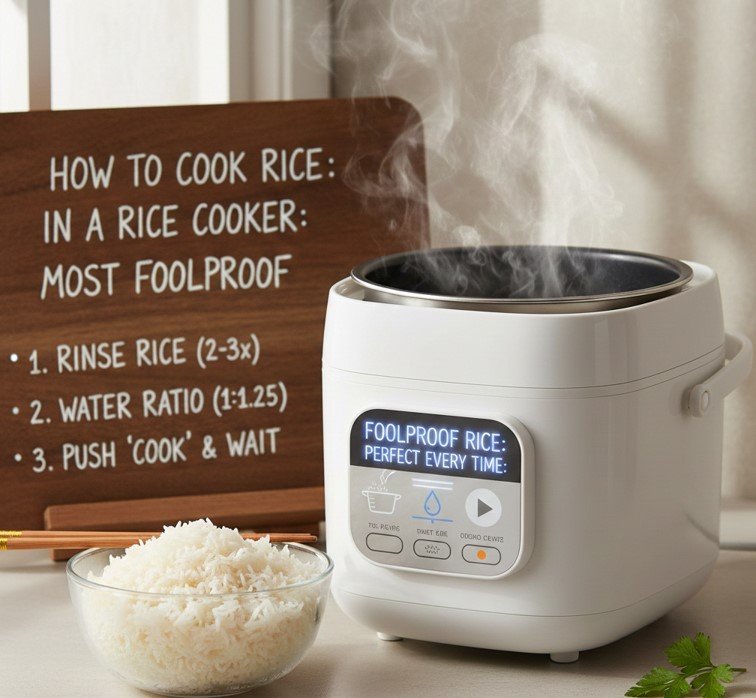
Learning how to cook rice in a rice cooker is ideal for consistency and convenience.
Rice Cooker Cooking Explained
Rice cookers regulate temperature automatically, switching to “warm” when water is absorbed.
Rice Cooker Best Practices
• Rinse rice thoroughly
• Use cooker’s measuring cup
• Follow inner water markings
• Do not open lid during cooking
• Allow rest period
• Fluff gently after cooking
Rice cookers reduce error and deliver repeatable results.
Also Read:- How to Tie a Gi Belt: A Step-by-Step Guide for Martial Artists
How to Cook Rice in an Instant Pot (Pressure Cooking Method)
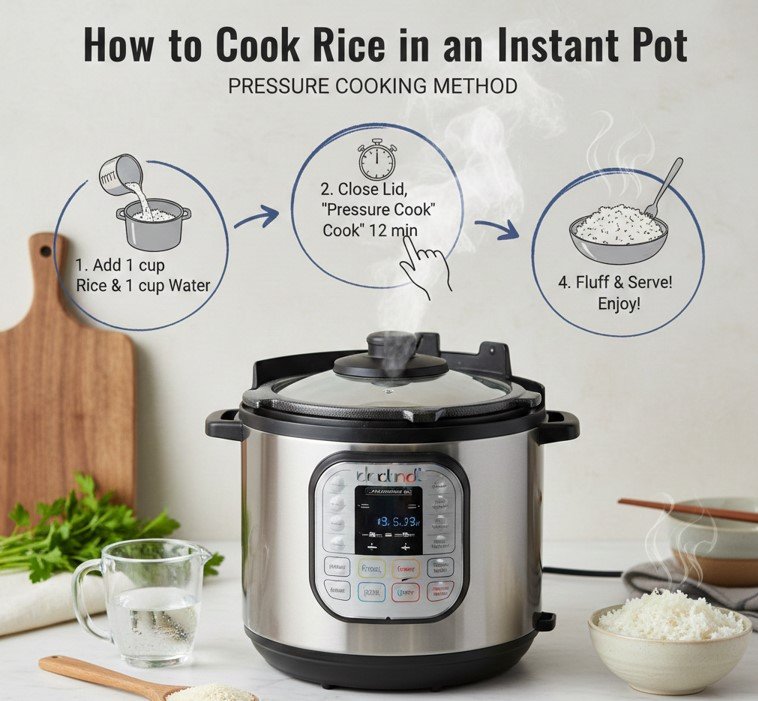
Knowing how to cook rice in Instant Pot saves time and delivers consistent texture.
Instant Pot Cooking Explained
Pressure cooking forces water into rice quickly, shortening cook time.
Instant Pot Rice Tips
• Use correct pressure setting
• Reduce water compared to stove
• Natural pressure release preferred
• Avoid overfilling pot
• Deglaze inner pot
• Rest before fluffing
This method is ideal for busy kitchens.
Also Read:- How to Texture a Wall: A Comprehensive Guide to Beautiful Wall Finishes
How to Cook Rice in the Oven (Hands-Off Technique)
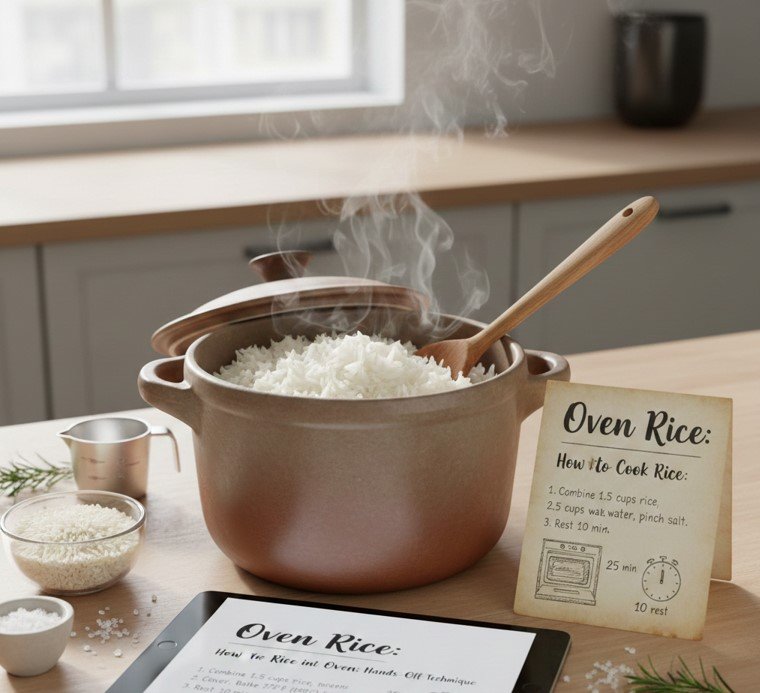
Learning how to cook rice in the oven is useful for large batches and even cooking.
Oven Cooking Explained
Oven baking provides uniform heat distribution without stirring.
Oven Rice Cooking Steps
• Preheat oven to 375°F
• Use oven-safe covered dish
• Combine rice and boiling water
• Cover tightly with foil or lid
• Bake until liquid absorbed
• Rest before serving
This method minimizes monitoring.
Also Read:- How to Tell if a Mango is Ripe: Ultimate Guide for Perfect Mangoes
How to Cook Rice, the Asian Way (Cultural Technique)
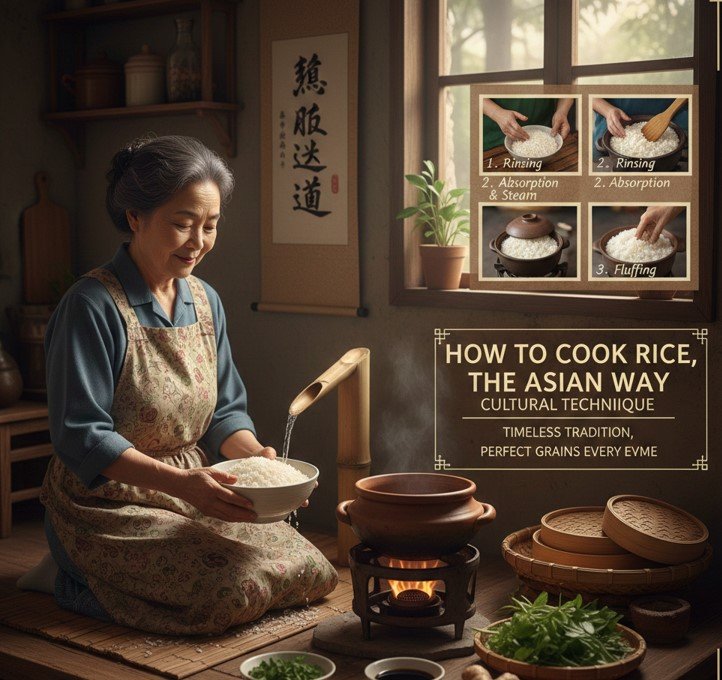
Understanding how to cook rice, the Asian way emphasizes respect for rice as a staple.
Asian Rice Philosophy
Asian cooking focuses on rice texture, aroma, and balance rather than speed.
Traditional Asian Practices
• Measure rice by volume, not weight
• Rinse gently, not aggressively
• Use fingertip water measurement
• Cook with minimal seasoning
• Steam finish is essential
• Fluff with rice paddle
These traditions evolved over centuries.
Also Read:- How to Stop Sneezing: Effective Tips and Remedies
How to Cook Rice Noodles (Different from Grain Rice)
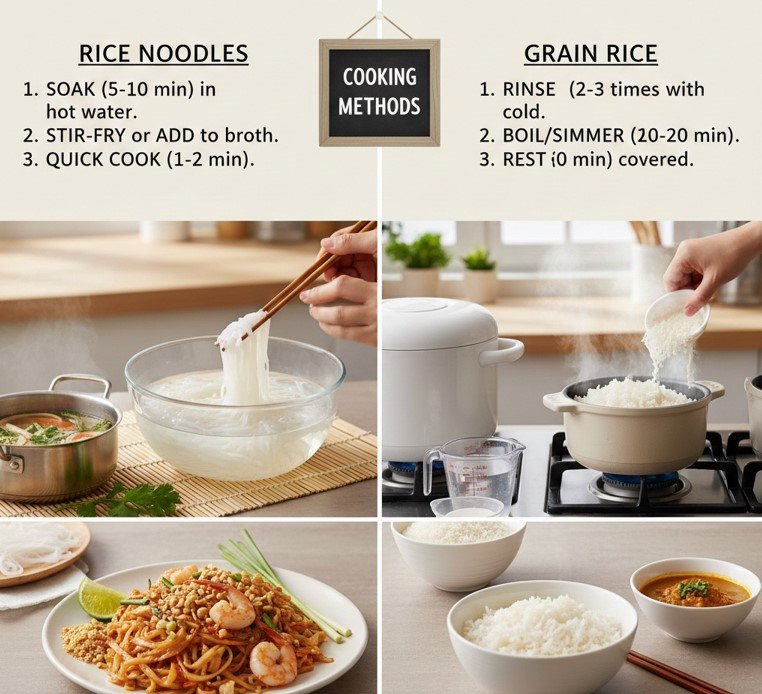
Learning how to cook rice noodles requires a different approach.
Rice Noodle Cooking Explained
Rice noodles are made from rice flour and cook quickly.
Rice Noodle Cooking Tips
• Soak instead of boiling
• Use hot water, not rolling boil
• Stir gently to prevent sticking
• Test frequently
• Rinse after cooking
• Use immediately or oil lightly
Proper handling prevents mushy noodles.
Also Read:- How to Format an SD Card: The Complete Beginner-to-Advanced Guide
Common Rice Cooking Mistakes to Avoid
Avoiding mistakes is just as important as technique.
Frequent Errors
• Skipping rinsing
• Lifting lid too often
• Overstirring rice
• Using wrong rice-to-water ratio
• Overcooking
• Skipping rest time
Correcting these mistakes dramatically improves results.
Storing and Reheating Cooked Rice Safely
Rice safety is critical due to bacteria risks.
Storage Best Practices
• Cool rice within 1 hour
• Refrigerate promptly
• Store in airtight container
• Consume within 3–4 days
• Reheat thoroughly
• Avoid reheating multiple times
Proper handling prevents foodborne illness.
Also Read:- How Much to Wrap a Car: Complete Cost Guide
Conclusion
Mastering how to cook rice is about understanding grain type, water control, heat management, and patience. Whether you cook rice on the stove, in a pot, rice cooker, Instant Pot, oven, or the traditional Asian way, the principles remain the same.
FAQs
Why is my rice sticky?
Excess starch or too much water causes stickiness.
Should rice be rinsed?
Yes, for most varieties, rinsing improves texture.
Can rice be cooked without measuring?
Traditional methods exist, but consistency suffers.
Is brown rice healthier?
Yes, it contains more fiber and nutrients.
Visit For More Information Go To entrepreneurideas