
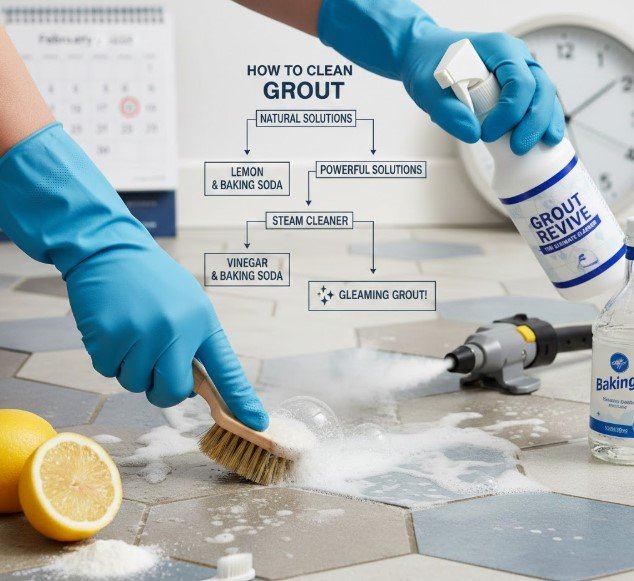
Grout is the often-overlooked part of your tiled surfaces, yet it plays a crucial role in maintaining the integrity and appearance of your floors, showers, and walls. Over time, grout can become stained, discolored, or even moldy due to moisture, dirt, and mildew. Knowing how to clean grout properly not only enhances the beauty of your home but also prolongs the life of your tiled surfaces. In this guide, we’ll cover everything from cleaning shower grout to stubborn black stains, using both natural and professional methods.
How to Clean Grout in Shower

Shower grout is particularly prone to mold and mildew because of the constant exposure to water and humidity. Cleaning it regularly prevents health hazards and maintains the bathroom’s aesthetic appeal.
. Use a baking soda and vinegar paste – Mix baking soda with water to form a thick paste and apply it to grout lines. Spray with white vinegar, which reacts with baking soda to break down dirt and mildew. Scrub gently with a toothbrush and rinse with warm water for sparkling results.
. Steam cleaning method – High-temperature steam can sanitize and remove stubborn grime without harsh chemicals. A handheld steam cleaner penetrates grout lines, killing bacteria and loosening dirt. This method is eco-friendly and reduces the risk of damage.
. Hydrogen peroxide treatment – For stubborn black stains or mold, mix hydrogen peroxide with water and apply directly to grout. Let it sit for 10–15 minutes, then scrub with a stiff brush. Hydrogen peroxide acts as a natural bleaching agent and disinfectant.
. Regular maintenance routine – Wipe down shower tiles and grout after each use with a microfiber cloth to reduce moisture buildup. Using a daily shower spray can prevent soap scum and mildew formation over time.
. Seal your grout – After thorough cleaning, apply a grout sealer to create a protective barrier. This prevents future staining and makes cleaning easier. Reapply every six months for high-moisture areas like showers.
. Avoid harsh chemicals – Avoid bleach or acidic cleaners that may erode grout. Use pH-neutral cleaners to ensure long-lasting grout integrity. Overuse of chemicals can lead to weakening of grout lines.
Also Read:- How to Pair Roku Remote: Complete Step-by-Step Guide
How to Clean Grout on Tile Floor
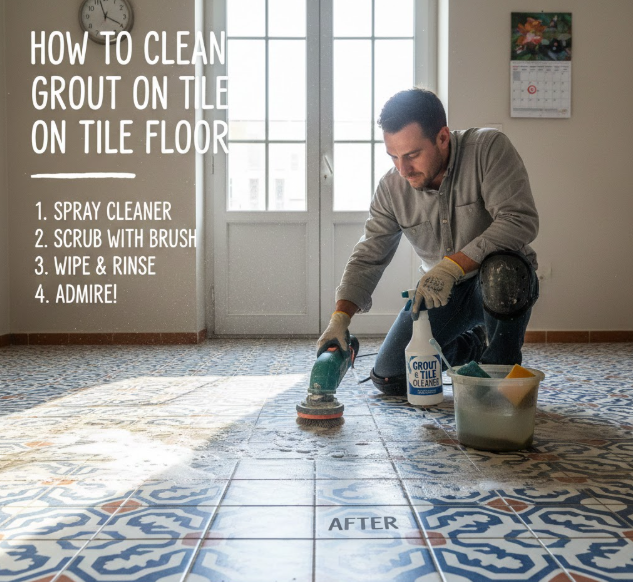
Tile floors endure foot traffic, spills, and dirt accumulation, which can leave grout dull or discolored. Cleaning grout effectively restores floor beauty.
. Vacuum or sweep first – Remove loose dirt and debris to prevent scratching tiles during cleaning. This step ensures a more effective deep clean.
. Apply baking soda paste – Mix baking soda with water and apply to grout lines. Let it sit for 5–10 minutes, then scrub with a stiff brush. Baking soda’s mild abrasiveness lifts dirt without damaging tiles.
. Use steam mop for deep cleaning – A steam mop can reach deep into grout pores, removing embedded dirt and sanitizing the area. This method is chemical-free and ideal for households with pets or children.
. Oxygen bleach solution – Dissolve oxygen bleach powder in warm water and apply to grout. Leave for 15–20 minutes before scrubbing. Oxygen bleach brightens grout without the harshness of chlorine bleach.
. Rinse thoroughly – After scrubbing, rinse the floor with clean water to remove residues. Residues can attract dirt and reduce the shine of tiles.
. Seal grout for protection – Apply a floor-safe grout sealer to prevent stains and simplify future maintenance. Sealing extends the life of your floor and reduces cleaning frequency.
Also Read:- How to Factor: A Comprehensive Guide for Students and Learners
How to Clean Grout Lines

Grout lines are the narrow gaps between tiles, and cleaning them requires precision to avoid tile damage.
. Identify grout type – Determine if your grout is sanded or unsanded. Sanded grout is more durable and can withstand aggressive scrubbing, while unsanded grout is delicate and requires gentler methods.
. Use a toothbrush or grout brush – A stiff nylon brush penetrates grout lines to remove dirt. Avoid metal brushes that can scratch tiles.
. Homemade cleaner options – Mix equal parts water and vinegar for everyday cleaning. For tougher stains, combine baking soda, hydrogen peroxide, and dish soap into a paste.
. Apply cleaning paste carefully – Spread the paste along grout lines, allowing it to penetrate stains. Let it sit 10–15 minutes before scrubbing.
. Rinse and dry – Use warm water to remove cleaning paste and then dry grout lines with a clean cloth. Drying prevents moisture from returning mold or mildew.
. Regular upkeep – Sweep or vacuum areas frequently to prevent dirt accumulation in grout lines. Regular care reduces the need for deep cleaning.
Also Read:- How to Share Location on iPhone: The Complete Practical Guide
How to Clean Grout That Has Turned Black
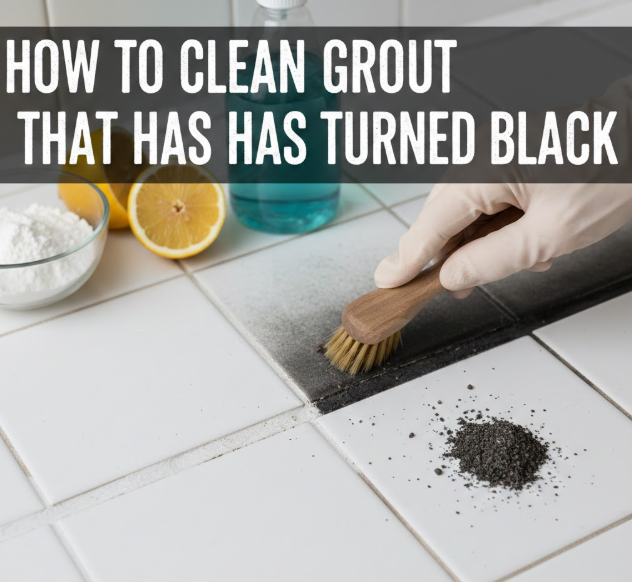
Black grout is often caused by mold, mildew, or deep staining. It requires special attention to restore its original color.
. Hydrogen peroxide and baking soda method – Apply a thick paste to blackened grout and let it sit for 15 minutes. Scrub with a toothbrush or grout brush and rinse with water.
. Oxygen bleach treatment – Mix oxygen bleach powder with water and apply to affected areas. Let it work for 20–30 minutes before scrubbing. It’s less harsh than chlorine bleach but highly effective.
. Commercial mold removers – Use mold-specific grout cleaners for heavily affected areas. Choose products labeled safe for tiles and follow instructions carefully.
. Ensure proper ventilation – Black grout often indicates mold growth due to moisture. Increase bathroom ventilation or use a dehumidifier.
. Prevent future staining – Apply a mildew-resistant grout sealer after cleaning to reduce future mold growth. Proper sealing also makes ongoing maintenance easier.
. Avoid over-scrubbing – Excessive scrubbing can erode grout, worsening discoloration. Gentle, repeated cleaning is more effective.
Also Read:- How to Attract Birds: A Complete, Science-Backed Guide for Your Yard and Garden
How to Clean Grout Without Damaging It
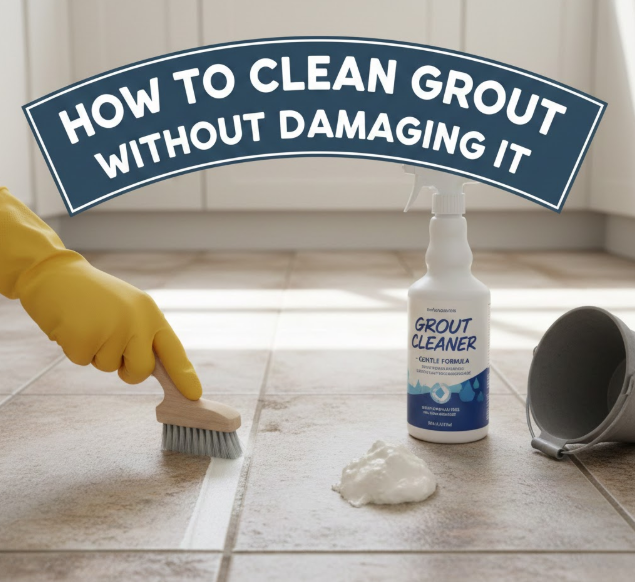
Cleaning grout safely is essential to preserve the longevity of your tiles. Harsh chemicals or abrasive tools can weaken grout over time.
. Use pH-neutral cleaners – Mild, non-acidic cleaners are safe for both sanded and unsanded grout. They prevent corrosion and color fading.
. Soft brushes over metal – Nylon brushes clean grout effectively without scratching tiles or wearing down grout.
. Avoid excessive water – Over-soaking grout can cause cracks or weakening. Use damp cloths or controlled sprays instead of flooding surfaces.
. Test in small area first – Always try a cleaner in an inconspicuous area before full application to ensure no discoloration occurs.
. Regular maintenance – Frequent light cleaning prevents buildup that requires harsh chemicals to remove.
. Seal grout lines – Sealed grout is more resistant to stains, reducing the need for aggressive cleaning.
Also Read:- How to Make a Slip Knot: Step-by-Step Guide for Crochet, Knitting & Bracelets
How to Clean Grout with Baking Soda

Baking soda is an effective, natural cleaner for grout due to its mild abrasiveness and deodorizing properties.
. Make a baking soda paste – Mix baking soda with water until it forms a thick paste suitable for applying to grout lines.
. Apply and let sit – Spread paste over grout and let it sit for 5–15 minutes to lift dirt and grime.
. Scrub with brush – Use a soft nylon or toothbrush to scrub the paste along grout lines, focusing on heavily soiled areas.
. Rinse thoroughly – Wash away the paste with warm water to avoid residue buildup. Residues can attract more dirt if left behind.
. Optional vinegar spray – Spraying white vinegar over baking soda paste enhances cleaning power via chemical reaction.
. Dry and seal – After cleaning, dry grout and apply sealer if needed to maintain results.
Also Read:- How to Make a Paper Dart: The Ultimate Guide
How to Clean Grout in Between Tile
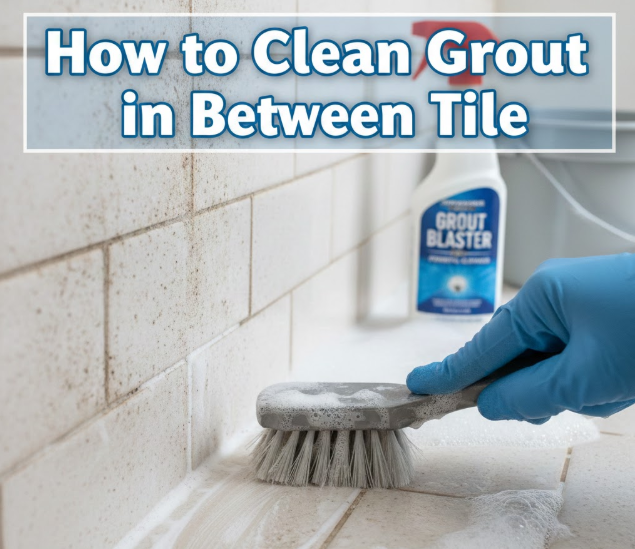
Grout between tiles is highly visible and prone to dirt, especially in high-traffic areas like kitchens and bathrooms.
. Identify problem areas – Look for discoloration, mildew, or embedded dirt in grout lines.
. Vacuum or sweep debris – Remove loose particles before deep cleaning.
. Apply cleaner carefully – Use a baking soda paste, oxygen bleach solution, or commercial grout cleaner along grout lines.
. Scrub with precision – Focus on small sections at a time using a brush suitable for tile surfaces.
. Rinse and dry – Clean away residues and ensure grout dries completely to prevent mildew growth.
. Seal and protect – Apply a grout sealer to maintain cleanliness and reduce future buildup.
Also Read:- How to Shrink a Shirt: A Complete Practical Guide for the Perfect Fit
Conclusion
Knowing how to clean grout is essential for maintaining the beauty, hygiene, and durability of tiled surfaces. From showers to tile floors, using the right methods—whether natural remedies like baking soda or professional treatments like oxygen bleach—ensures long-lasting results. Regular maintenance, proper sealing, and safe cleaning practices will prevent discoloration, mold, and grime buildup, keeping your tiles sparkling clean for years.
FAQs
Can I use bleach to clean grout?
Yes, but sparingly. Bleach can damage grout over time and is less effective on deeply embedded dirt compared to baking soda or oxygen bleach.
How often should grout be cleaned?
High-traffic areas should be cleaned monthly, while low-traffic or sealed grout can be maintained every 2–3 months.
Is it safe to use vinegar on all types of grout?
No, vinegar is acidic and can damage unsanded grout. Always test in a small area first.
Can steam cleaning remove black mold from grout?
Yes, high-temperature steam kills mold spores and loosens dirt, making it an eco-friendly cleaning option.
Do I need to seal grout after cleaning?
Yes, sealing protects grout from future stains and makes cleaning easier. Reapply every 6–12 months depending on area usage.
Visit For More Information Go To entrepreneurideas