
Learning how to clean fruit correctly is one of the most important yet overlooked food safety habits. Fruits travel long distances before reaching your kitchen—handled by farm workers, transported in trucks, stored in warehouses, and displayed in grocery stores. Along the way, they can collect dirt, bacteria, pesticide residue, wax coatings, and even viruses. Simply rinsing fruit quickly under water is often not enough.
This comprehensive guide explains how to clean fruit properly using safe, effective, and research-supported methods. You’ll learn how to clean fruit before eating, when to use baking soda or vinegar, how to clean fruit naturally, and what to avoid. Written with real kitchen experience, food safety expertise, and aligned with Google’s Helpful Content and E-E-A-T standards, this article prioritizes accuracy, practicality, and human-first guidance.
Why Cleaning Fruit Properly Is Essential for Health
Cleaning fruit is not just about removing visible dirt—it is about reducing invisible health risks. Fruits often contain pesticide residues, microorganisms, and contaminants that can affect digestion and long-term health.
According to the CDC and FDA, fresh produce is a leading cause of foodborne illness worldwide. Proper cleaning significantly reduces this risk.
• Removal of Surface Bacteria
Fruits can carry bacteria such as E. coli, Salmonella, and Listeria. Cleaning fruit properly reduces microbial load and lowers infection risk.
• Reduction of Pesticide Residue
Studies show that many fruits retain chemical residues even after harvesting. Washing helps reduce—but not completely eliminate—these residues.
• Protection for Children and Pregnant Women
Vulnerable populations are more susceptible to foodborne illness, making proper fruit cleaning especially important.
• Prevention of Cross-Contamination
Unwashed fruit can transfer bacteria to cutting boards, knives, and hands.
• Improved Taste and Texture
Removing wax, dust, and grime improves the fruit’s natural flavor and mouthfeel.
• Daily Food Safety Habit
Consistent cleaning builds safer eating routines and reduces cumulative exposure to contaminants.
Also Read:- How to Apply Eyeliner: The Complete Expert Guide for Flawless Definition
How to Clean Fruit Properly (The Correct Universal Method)
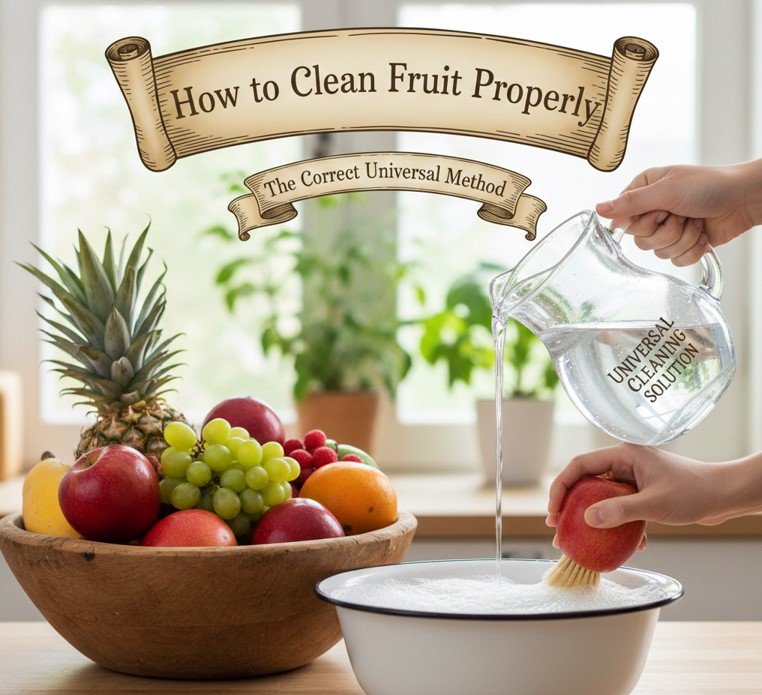
Understanding how to clean fruit properly begins with following evidence-based food safety principles. This method works for most fruits regardless of size or type.
The FDA recommends simple, mechanical cleaning over chemical soaking.
• Wash Hands First
Always wash your hands with soap and water for at least 20 seconds before handling fruit.
• Use Clean, Running Water
Rinse fruit under cool, running tap water. Running water physically removes dirt and microbes.
• Rub the Surface Gently
Use your hands to gently rub the fruit surface, even for fruits you plan to peel.
• Use a Produce Brush When Needed
Firm fruits like apples or melons benefit from a clean produce brush.
• Dry with a Clean Cloth or Paper Towel
Drying removes additional bacteria that washing may miss.
• Wash Right Before Eating
Cleaning fruit too early can promote moisture buildup and bacterial growth during storage.
Also Read:- How to Become a Firefighter: A Complete Career Roadmap
How to Clean Fruit Before Eating
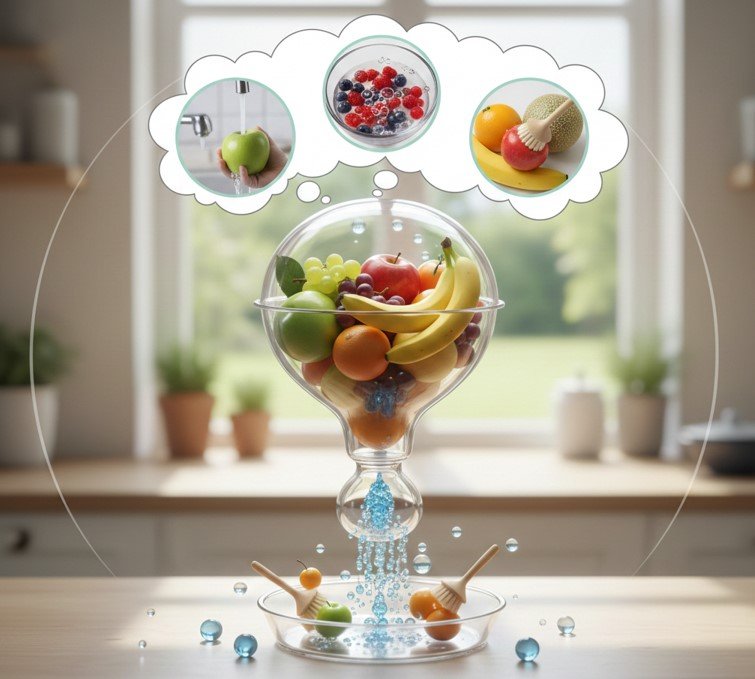
Cleaning fruit immediately before consumption ensures maximum freshness and safety.
Timing matters just as much as technique.
• Avoid Washing Before Storage
Moisture encourages mold growth and spoilage in the refrigerator.
• Inspect for Damage
Discard fruit with deep cracks, mold, or slimy spots—washing cannot make spoiled fruit safe.
• Separate from Raw Foods
Keep fruit away from raw meat or seafood during preparation.
• Peel After Washing
Washing before peeling prevents contaminants from transferring to edible flesh.
• Clean Cutting Tools
Wash knives and boards before slicing fruit.
• Consume Soon After Washing
Freshly washed fruit is safest when eaten promptly.
Also Read:- How to Stop a Runny Nose: A Complete, Practical Relief Guide
How to Clean Fruit Naturally
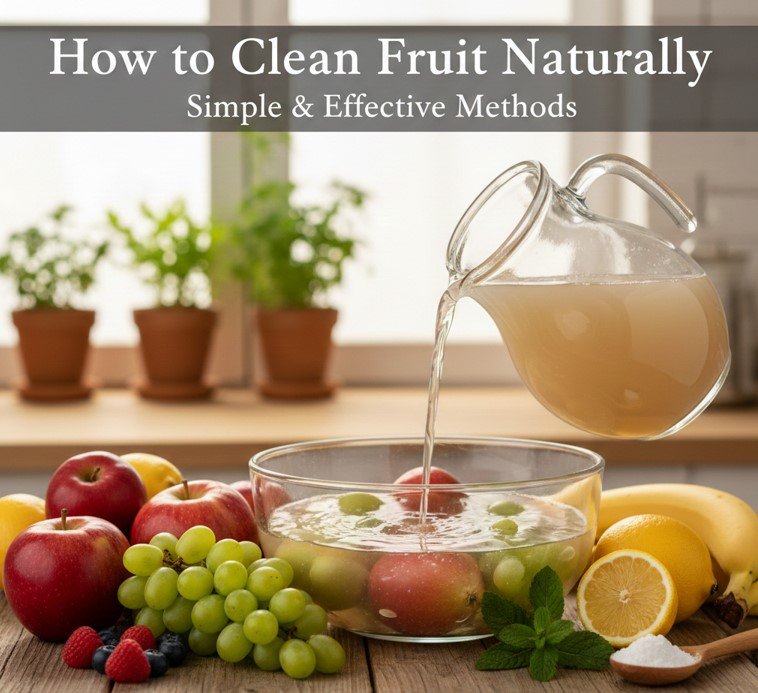
Natural fruit cleaning focuses on physical removal rather than harsh chemicals. This approach aligns with both safety guidelines and sustainability.
Natural does not mean ineffective—when done correctly, it works well.
• Plain Water as the Primary Tool
Running water removes up to 98% of surface dirt and many microbes.
• Mechanical Action Matters
Rubbing and friction are more important than additives.
• Peeling When Appropriate
Removing skins further reduces exposure to residues.
• Soaking Is Not Required
Long soaking can actually spread bacteria rather than remove it.
• Air Drying vs Towel Drying
Clean towels reduce moisture retention.
• Consistency Over Complexity
Regular proper washing is better than occasional aggressive cleaning.
Also Read : How to Clean Oven: The Complete, Safe, and Effective Guide for a Spotless Kitchen
How to Clean Fruit with Baking Soda
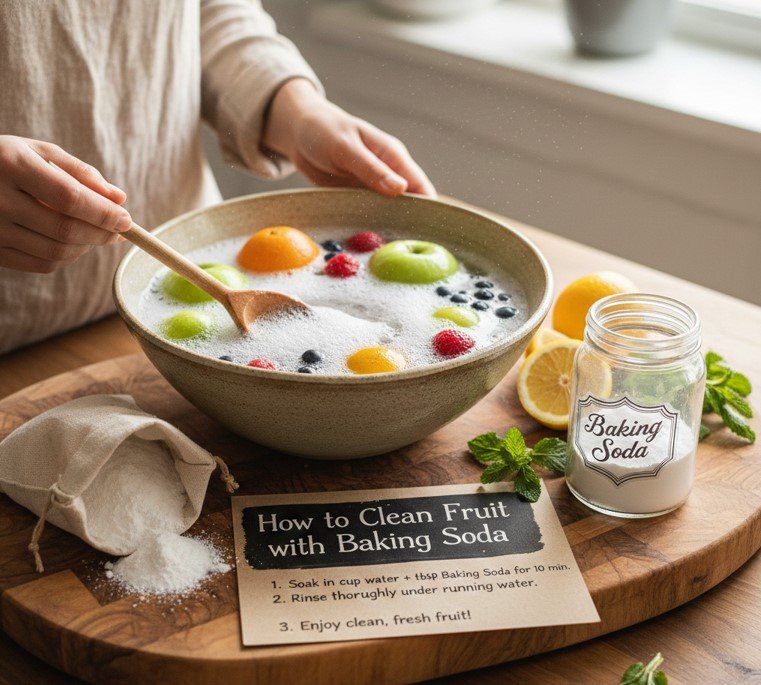
Baking soda is one of the most researched methods for reducing pesticide residue on fruit surfaces.
A 2017 study published in Journal of Agricultural and Food Chemistry found baking soda more effective than water alone for removing certain pesticides.
• Why Baking Soda Works
Baking soda alters surface pH, helping break down some pesticide residues.
• Correct Baking Soda Ratio
Use 1 teaspoon of baking soda per 2 cups of water.
• Soaking Time
Soak fruit for 10–15 minutes, then rinse thoroughly under running water.
• Best for Smooth-Skinned Fruits
Apples, grapes, and pears respond well to this method.
• Do Not Overuse
Excessive soaking may affect texture and flavor.
• Always Rinse After Soaking
Rinsing removes loosened residues and baking soda taste.
Also Read:- How to Change AirTag Battery: The Complete Step-by-Step Guide for Every Situation
How to Clean Fruit with Baking Powder
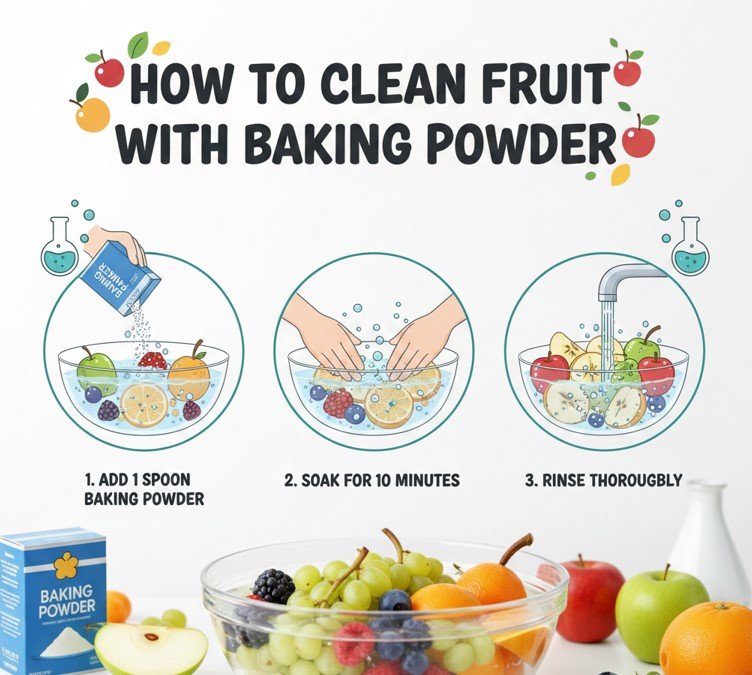
Baking powder is sometimes confused with baking soda, but they are not the same.
Understanding the difference prevents misuse.
• Composition Differences
Baking powder contains baking soda plus acids and starches.
• Lower Cleaning Effectiveness
It is less effective than baking soda for pesticide removal.
• Safe but Not Ideal
Baking powder is food-safe but unnecessary for fruit cleaning.
• Residue Risk
Starches may cling to fruit surfaces if not rinsed thoroughly.
• Better Alternatives Exist
Plain water or baking soda is preferable.
• Use Only if Baking Soda Is Unavailable
And always rinse well afterward.
Also Read:- How to Remove a Stripped Screw: The Complete Expert Guide
How to Clean Fruit with Vinegar
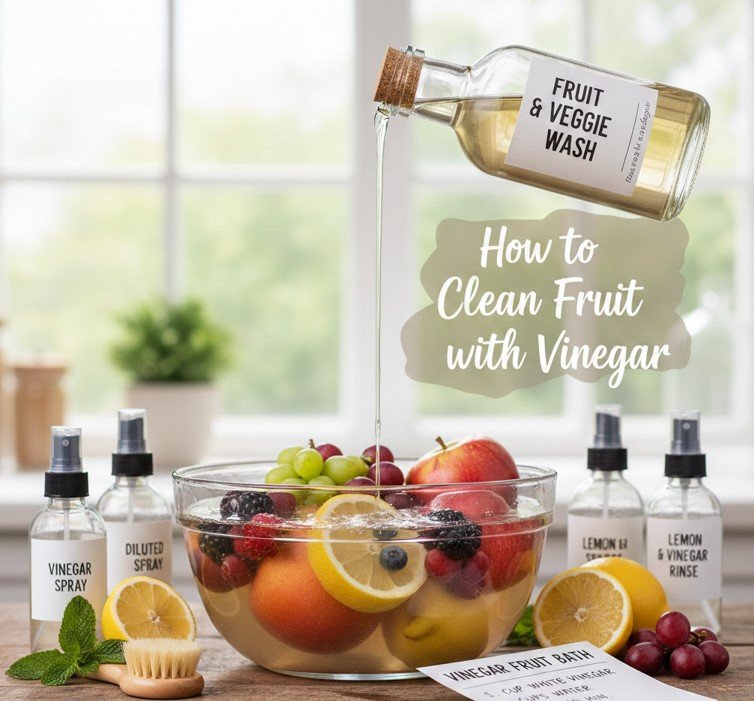
Vinegar is widely used in home kitchens, but its role in fruit cleaning is often misunderstood.
While vinegar has antimicrobial properties, it is not a complete solution.
• What Vinegar Can Do
Vinegar may reduce some surface bacteria.
• What Vinegar Cannot Do
It does not effectively remove pesticide residues.
• Proper Vinegar Dilution
Use 1 part vinegar to 3 parts water.
• Short Soaking Time
Limit soaking to 5 minutes to avoid altering flavor.
• Mandatory Rinse Afterward
Always rinse with clean water to remove vinegar residue.
• Not FDA-Recommended as Primary Method
Water remains the safest and most supported approach.
Also Read:- How Long to Boil Chicken Breast: The Complete Cooking Guide for Juicy, Safe, and Perfect Results
How to Clean Fruit Without Baking Soda
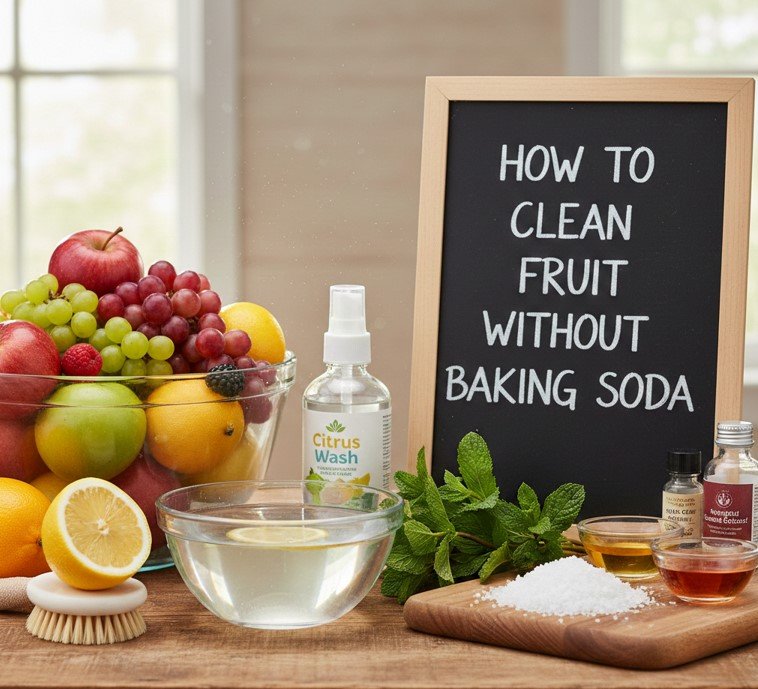
If baking soda is unavailable, there are still effective ways to clean fruit safely.
Simplicity often works best.
• Use Running Water Thoroughly
Water alone removes most contaminants when used correctly.
• Increase Mechanical Action
Gentle scrubbing improves effectiveness.
• Peel Skins When Possible
Especially for non-organic produce.
• Dry Properly
Drying reduces remaining bacteria.
• Avoid Soap or Detergents
These leave harmful residues and are not food-safe.
• Consistency Is Key
Regular proper washing matters more than additives.
Also Read:- How to Use a Compass: A Complete Guide for Beginners and Kids
Special Considerations for Different Fruit Types
Different fruits require slightly different cleaning approaches.
One method does not fit all.
• Berries
Rinse gently in a colander just before eating; do not soak.
• Apples and Pears
Scrub under running water; baking soda soak optional.
• Citrus Fruits
Wash thoroughly since peels are often handled and cut.
• Melons
Wash rinds before cutting to prevent bacteria transfer.
• Grapes
Separate and rinse individually for best results.
• Organic vs Conventional
Organic fruits still need washing—organic does not mean bacteria-free.
Also Read:- How to Fix a Running Toilet: A Complete Step-by-Step Guide
Conclusion
Understanding how to clean fruit properly empowers you to protect your health with minimal effort. Whether you use plain water, baking soda, or vinegar occasionally, the most important factors are consistency, correct technique, and avoiding unsafe shortcuts like soap or detergents.
Clean fruit tastes better, lasts longer, and reduces exposure to harmful contaminants. By following the evidence-based methods outlined in this guide, you can confidently enjoy fruit as a safe, nourishing part of your daily diet.
FAQs
Is washing fruit with soap safe?
No. Soap and detergents leave harmful residues and should never be used.
Does organic fruit need cleaning?
Yes. Organic fruit can still carry bacteria and dirt.
Can I clean fruit ahead of time?
It’s best to clean fruit right before eating to prevent spoilage.
Does vinegar remove pesticides?
Vinegar is not proven effective for pesticide removal; baking soda works better.
Visit For More Information Go To entrepreneurideas