

Learning how to camp is one of the most rewarding outdoor skills a person can develop. Camping teaches self-reliance, patience, environmental respect, and adaptability while offering a powerful break from digital overload. Whether you are camping in heavy rain, freezing temperatures, with a baby, or even inside a video game world like Darkest Dungeon, the principles of preparation and mindset remain the same.
This guide is built on real outdoor experience, safety research, survival best practices, and outdoor education standards. It explains how to camp in the rain, how to camp in Darkest Dungeon, how to camp with a baby, how to camp with a bicycle, and how to camp in cold weather, with deep, actionable detail.
How to Camp in the Rain
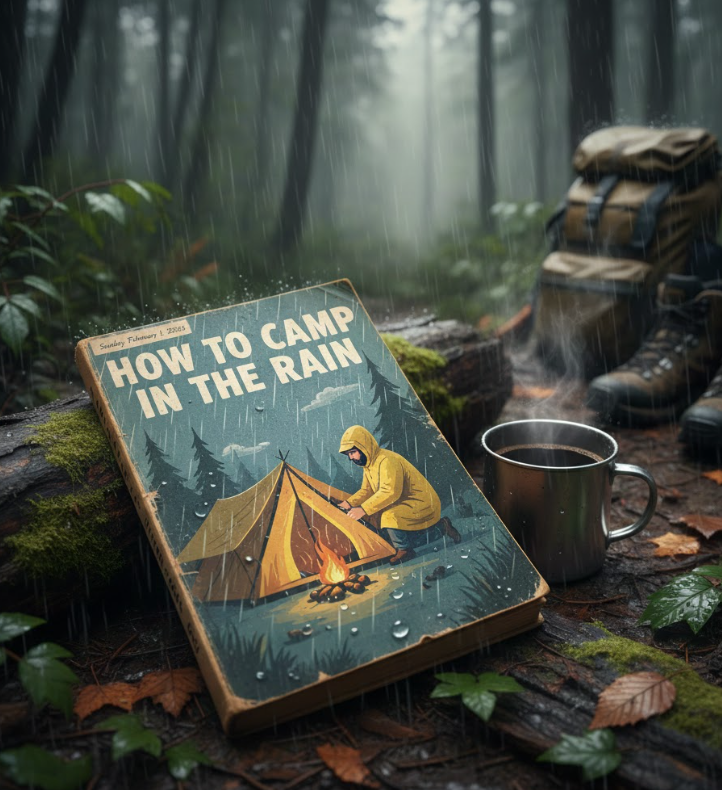
Camping in rain tests both preparation and attitude. Rain itself is not dangerous, but poor planning can turn a trip uncomfortable or unsafe. Understanding water behavior, shelter management, and moisture control is essential.
Camping successfully in rainy conditions builds confidence and outdoor resilience.
• Choosing elevated ground to avoid flooding
Rainwater follows gravity, so low ground becomes saturated quickly. Setting camp on elevated, sloped terrain prevents pooling and keeps sleeping areas dry. Experienced campers always walk the site before pitching a tent to observe water flow patterns.
• Using waterproof shelter systems correctly
A rainfly must be properly tensioned to prevent sagging and leakage. Ground sheets should never extend beyond the tent footprint, as this funnels water inside. Proper shelter setup determines comfort more than tent price.
• Managing wet clothing and gear
Wet clothes drain body heat and morale. Creating a dry zone inside the tent using waterproof bags protects essentials. Separating wet and dry items reduces humidity buildup.
• Cooking and food safety during rainfall
Cooking under shelter prevents flame extinguishing and contamination. Rain increases bacterial growth risk, making hygiene even more critical. Simple meal planning reduces exposure time.
• Maintaining warmth in damp conditions
Rain accelerates heat loss. Insulating layers and dry sleeping systems are vital to prevent hypothermia, even in mild temperatures.
• Adopting a flexible, positive mindset
Mental preparation is as important as physical gear. Accepting rain as part of nature reduces stress and improves decision-making.
Also Read:- How to Attract Birds: A Complete, Science-Backed Guide for Your Yard and Garden
How to Camp in Darkest Dungeon
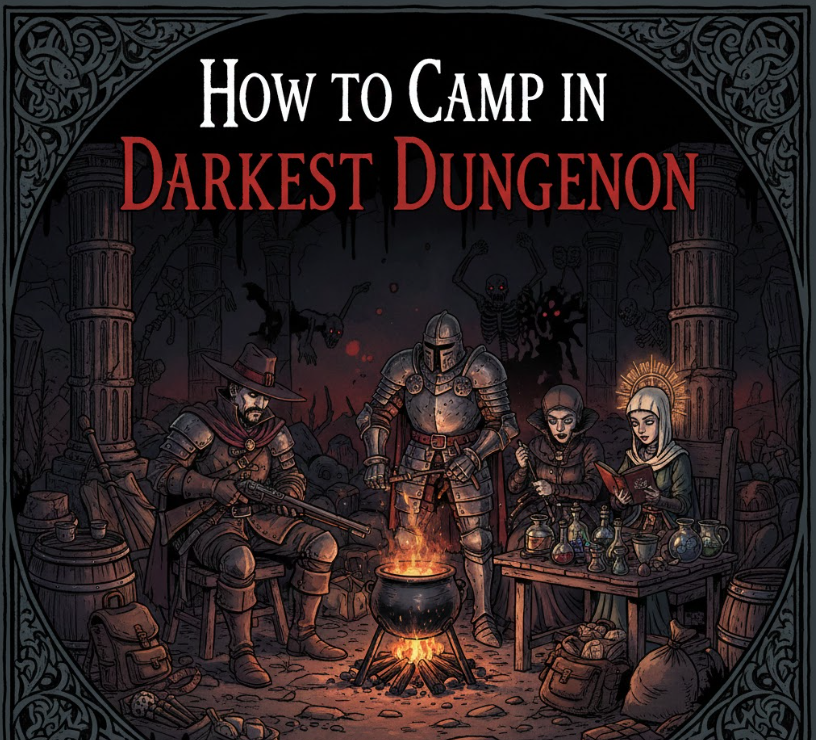
Camping in Darkest Dungeon is a strategic mechanic that mirrors real survival logic. Understanding how to camp in Darkest Dungeon requires resource management, risk assessment, and timing—skills rooted in real-world camping principles.
This section connects gameplay mechanics with survival strategy.
• Choosing the right moment to camp
Camping too early wastes resources; too late risks party collapse. Timing reflects real camping decisions where rest must balance urgency and safety.
• Managing limited camp supplies effectively
Supplies mirror real food and fuel constraints. Efficient use maximizes survival odds and reduces stress events.
• Selecting character skills strategically
Each hero offers unique camp abilities. Coordinating these mirrors task delegation in real campsites.
• Reducing stress through proactive planning
Stress management in the game parallels morale management outdoors. Rest and preparation prevent cascading failures.
• Balancing risk versus recovery
Camping carries ambush risks. Deciding when rest outweighs danger reflects authentic survival decision-making.
• Learning adaptability through repeated experience
Mistakes teach improvement. Mastery develops through understanding cause and effect.
Also Read:- How to Make a Slip Knot: Step-by-Step Guide for Crochet, Knitting & Bracelets
How to Camp With a Baby
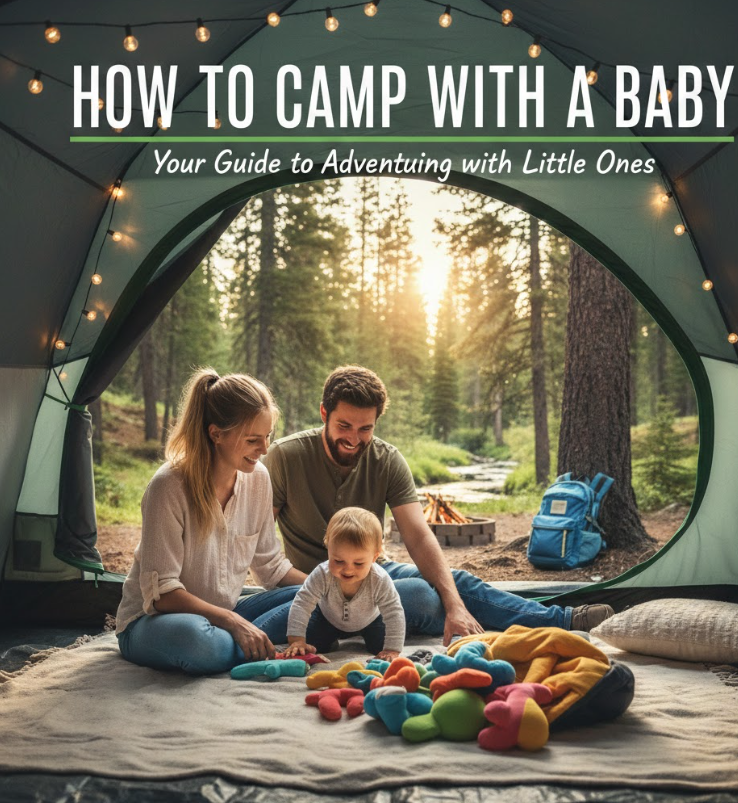
Learning how to camp with a baby requires heightened attention to safety, comfort, and routine. Babies thrive on predictability, so adapting outdoor conditions to familiar patterns is key.
Camping with a baby is not about adventure—it is about thoughtful care.
• Choosing baby-friendly campsites
Accessible locations near medical services reduce risk. Quiet environments support better sleep cycles.
• Maintaining temperature regulation
Babies cannot regulate body heat efficiently. Layering, insulation, and weather monitoring prevent overheating or chilling.
• Managing feeding and hydration needs
Clean water access and sterilization tools are essential. Planning feed schedules minimizes stress.
• Creating a safe sleeping environment
Flat surfaces, breathable bedding, and insect protection ensure restful sleep. Safety outweighs convenience.
• Preparing for emergencies proactively
Baby-specific first aid kits and communication plans are non-negotiable. Preparation replaces improvisation.
• Preserving routines for emotional comfort
Familiar sounds, toys, and schedules ease transitions and reduce fussiness.
Also Read:- How to Make a Paper Dart: The Ultimate Guide
How to Camp With a Bicycle
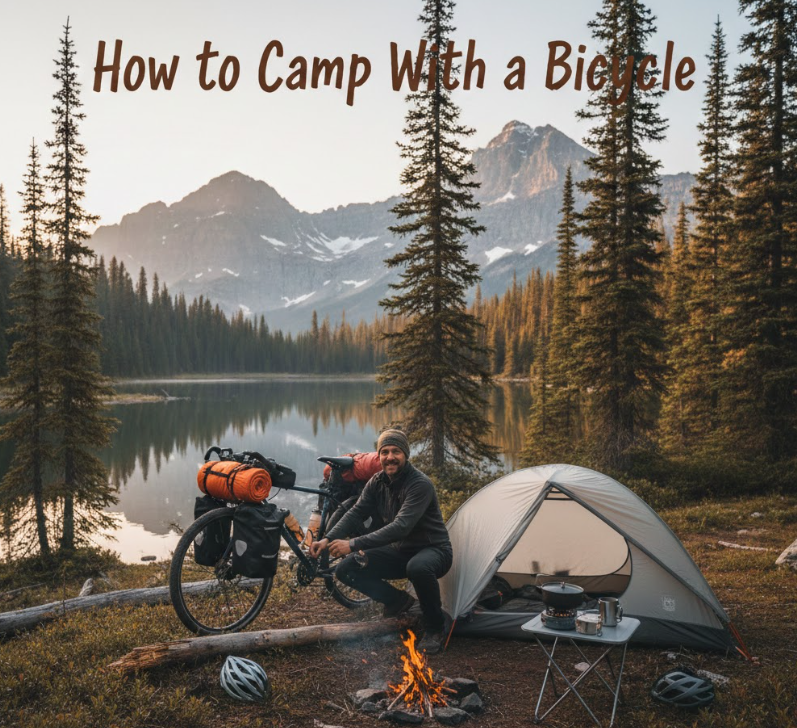
Bicycle camping blends travel and survival skills. Knowing how to camp with a bicycle requires load management, route planning, and energy conservation.
This method emphasizes efficiency and independence.
• Balancing gear weight for stability
Improper weight distribution affects control and safety. Balanced panniers reduce fatigue and accidents.
• Planning routes with rest and resupply points
Cyclists must plan food, water, and sleep locations carefully. Overextension increases injury risk.
• Selecting compact, multifunctional equipment
Every item must justify its weight. Multi-use gear improves efficiency.
• Managing physical endurance and recovery
Cycling depletes energy quickly. Nutrition and rest maintain performance.
• Ensuring bicycle maintenance readiness
Mechanical failure in remote areas is dangerous. Spare parts and tools are essential.
• Practicing minimal-impact camping ethics
Cyclists often camp in sensitive areas. Leave No Trace principles protect access for future travelers.
Also Read:- How to Shrink a Shirt: A Complete Practical Guide for the Perfect Fit
How to Camp in Cold Weather
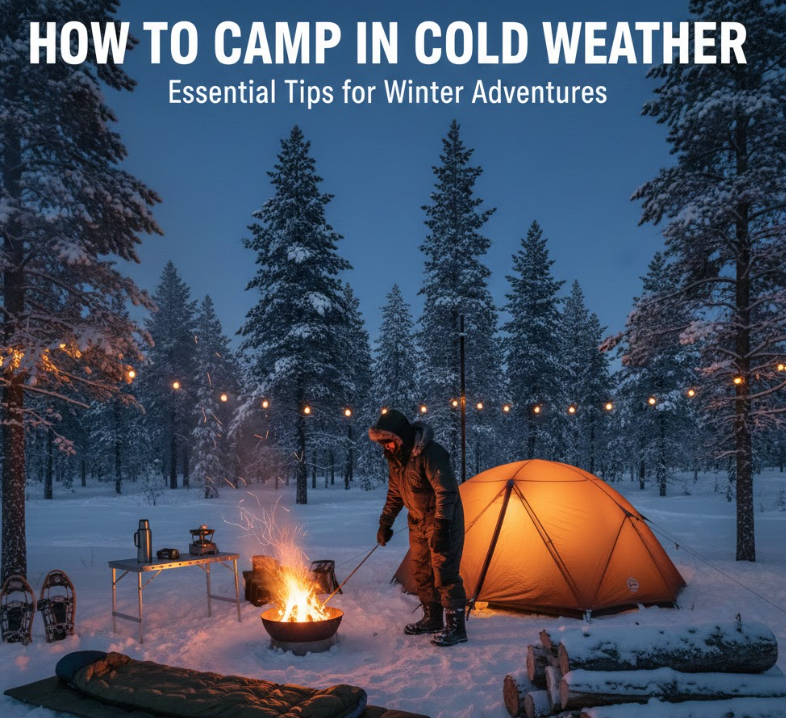
Cold-weather camping demands respect for environmental forces. Understanding how to camp in cold weather is about insulation, moisture control, and caloric intake.
Cold magnifies small mistakes into serious risks.
• Layering clothing strategically
Base, insulation, and shell layers work together to regulate heat. Cotton is avoided due to moisture retention.
• Insulating sleeping systems properly
Ground insulation matters more than sleeping bag thickness. Heat loss occurs primarily from below.
• Managing moisture to prevent freezing
Sweat freezes quickly in cold environments. Ventilation and pacing prevent dampness.
• Increasing caloric intake for warmth
Cold burns energy faster. High-fat, high-calorie foods maintain core temperature.
• Protecting extremities from frostbite
Hands, feet, and face require extra protection. Regular checks prevent injury.
• Monitoring weather and knowing exit plans
Cold weather changes rapidly. Exit strategies prevent emergencies.
Also Read:- How to Sew a Button: A Complete Beginner-to-Expert Guide for Long-Lasting Results
Conclusion
Mastering how to camp is about preparation, adaptability, and respect for nature. Whether facing rain, cold, parenthood, physical travel, or even digital survival simulations, the same principles apply: plan carefully, act responsibly, and prioritize safety. Camping done right builds resilience, confidence, and lifelong appreciation for the outdoors.
FAQs
Is camping safe for beginners?
Yes, with proper preparation, location choice, and safety awareness.
Can you camp year-round?
Absolutely, with appropriate gear and weather knowledge.
What is the most important camping skill?
Preparation—most problems are preventable before leaving home.
Visit For More Information Go To entrepreneurideas