

Learning how to bake a potato may seem simple, but achieving that ideal combination of a crispy, seasoned skin and a light, fluffy interior is a skill built on technique, timing, and understanding how potatoes cook. A perfectly baked potato is more than a side dish—it can be a complete, nutritious meal base that works with countless toppings and cuisines.
This in-depth guide is written using hands-on cooking experience, food-science principles, and tested kitchen methods. Whether you want to bake a potato in the oven, microwave, air fryer, or toaster oven—or need a faster option without sacrificing texture—this article walks you through every method with precision and confidence.
Understanding the Potato Before Baking (Why Technique Matters)
Before learning how to bake a potato, it’s essential to understand what happens inside the potato during cooking. Potatoes are mostly water and starch, and the way heat interacts with these elements determines texture, flavor, and moisture retention.
When potatoes bake, internal moisture turns to steam, expanding the starch granules and creating a fluffy interior. At the same time, surface moisture evaporates, allowing the skin to crisp. Improper heat, lack of ventilation, or excess moisture prevents this transformation.
Key Potato Science Basics
• Starch gelatinizes around 200°F
• Steam creates fluffy interior texture
• Skin crisps only when surface moisture escapes
• Thick skins need longer cooking time
• Russet potatoes bake best
• Overwrapping traps moisture and softens skin
Understanding these principles helps you choose the right method and avoid soggy or undercooked results.
Also Read:- How to Toast Pecans: The Complete Guide for Perfect Flavor and Crunch
Choosing the Best Potatoes for Baking
Not all potatoes bake equally. The type of potato you choose directly affects texture, flavor, and cooking time.
Why Potato Variety Matters
High-starch potatoes produce light, airy interiors, while waxy potatoes stay dense and moist.
Best Potatoes for Baking
• Russet potatoes (highest starch)
• Large, evenly sized potatoes
• Firm texture with no soft spots
• Unwrinkled skin
• No green discoloration
• Similar size for even cooking
Russet potatoes are the gold standard for baking due to their thick skin and fluffy interior.
How to Prepare a Potato for Baking (Essential First Steps)
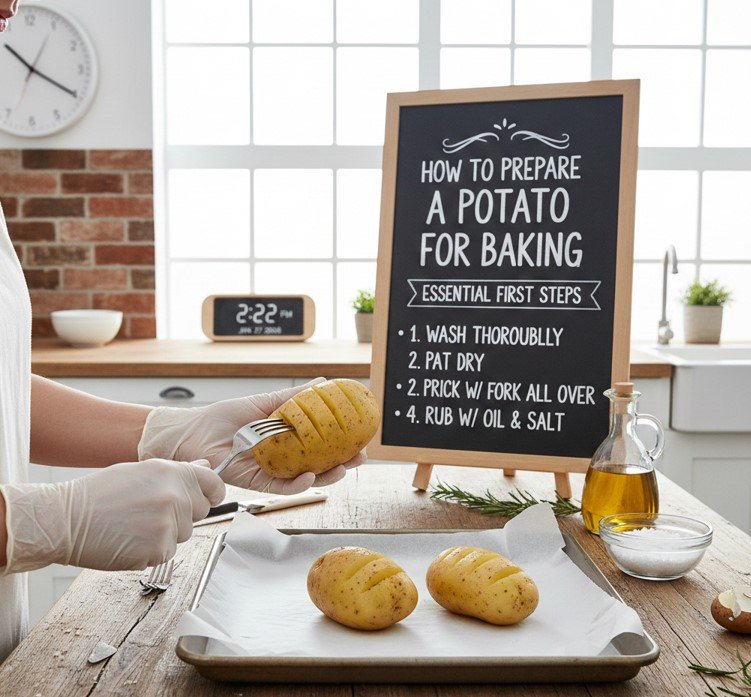
Proper preparation sets the foundation for success when learning how to bake a potato.
Preparation Explained
Cleaning, drying, and piercing the potato ensures even cooking and prevents bursting.
Preparation Best Practices
• Scrub potatoes under running water
• Dry thoroughly with towel
• Pierce skin several times with fork
• Lightly coat with oil
• Season skin with salt
• Avoid wrapping in foil
These steps allow steam to escape while promoting crisp skin.
Also Read:- How to Thread a Needle: A Complete Step-by-Step Guide for Beginners and Experts
How to Bake a Potato in the Oven (Classic Method)
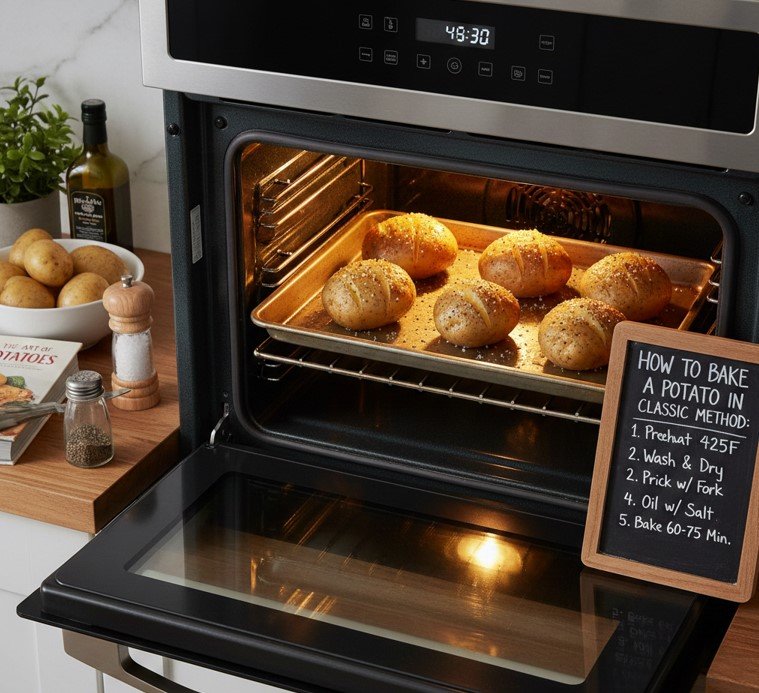
Learning how to bake a potato in the oven is the most traditional and reliable technique.
Oven Baking Explained
The oven provides steady, dry heat that allows moisture to escape gradually while cooking the potato evenly from edge to center.
Oven Baking Best Practices
• Preheat oven to 425°F (220°C)
• Place potatoes directly on rack
• Bake for 45–60 minutes
• Turn once halfway through
• Test doneness with fork
• Rest briefly before serving
This method produces the crispiest skin and fluffiest interior.
Also Read:- How to Shrink a Shirt: A Complete Practical Guide for the Perfect Fit
How to Bake a Potato in the Oven for Best Texture
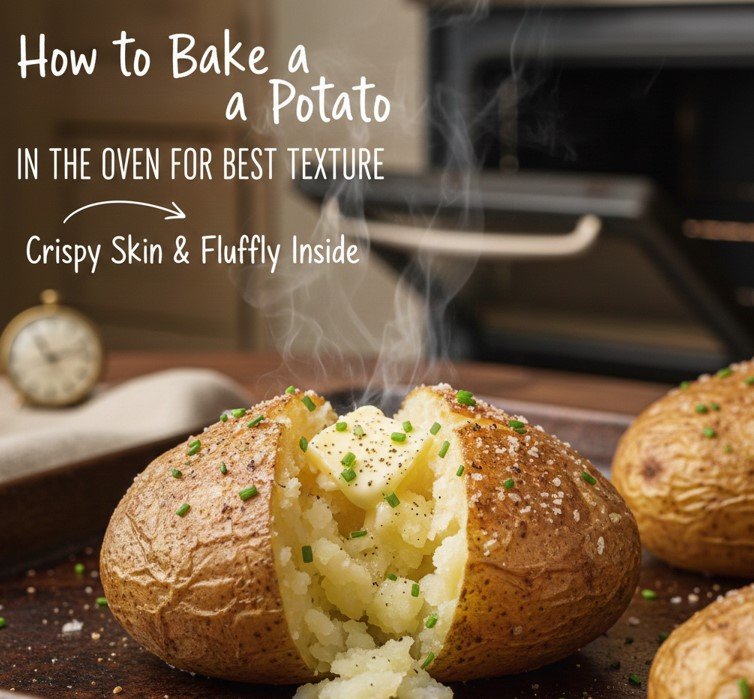
Many people repeat the question how to bake a potato in the oven because small details make a big difference.
Texture Optimization Explained
Direct airflow around the potato skin enhances crispness.
Texture-Focused Tips
• Skip baking sheets if possible
• Use convection setting if available
• Avoid overcrowding
• Season after oiling
• Check internal softness
• Slice open immediately after baking
These adjustments elevate oven-baked potatoes to restaurant quality.
Also Read:- How to Sew a Button: A Complete Beginner-to-Expert Guide for Long-Lasting Results
How to Bake a Potato in the Microwave (Fastest Method)
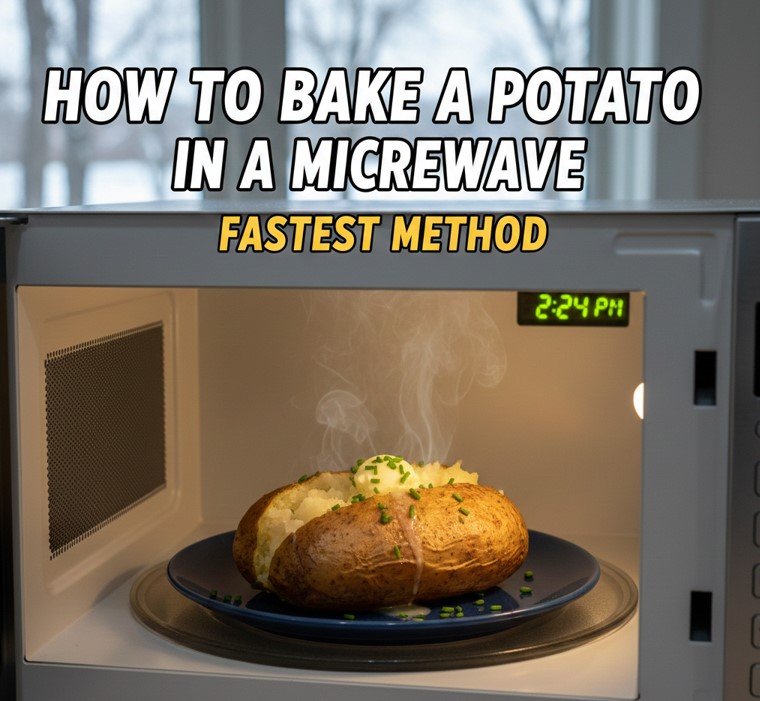
If time is limited, learning how to bake a potato in the microwave offers speed with acceptable texture.
Microwave Baking Explained
Microwaves heat water molecules quickly, cooking the interior fast but limiting skin crispness.
Microwave Baking Tips
• Pierce potato thoroughly
• Place on microwave-safe plate
• Cook 4–6 minutes per potato
• Turn halfway through
• Let rest for 2 minutes
• Finish in oven or air fryer for crisp skin
Microwaving is ideal for fast meals, especially when paired with finishing methods.
Also Read:- How to Tie a Gi Belt: A Step-by-Step Guide for Martial Artists
How to Bake a Potato Fast Without Sacrificing Quality
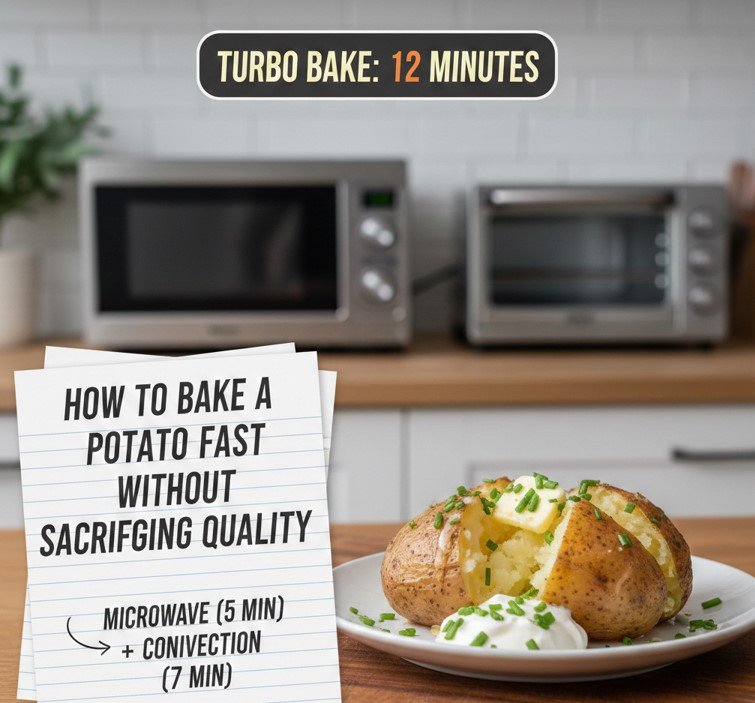
If you’re searching how to bake a potato fast, combining cooking methods is the best solution.
Speed vs Quality Balance
Hybrid cooking reduces total time while preserving texture.
Fast Baking Techniques
• Microwave first, oven finish
• Use air fryer instead of oven
• Choose smaller potatoes
• Preheat cooking appliance
• Avoid foil wrapping
• Cut open immediately after cooking
These methods save time while maintaining flavor.
Also Read:- How to Texture a Wall: A Comprehensive Guide to Beautiful Wall Finishes
How to Bake a Potato in an Air Fryer
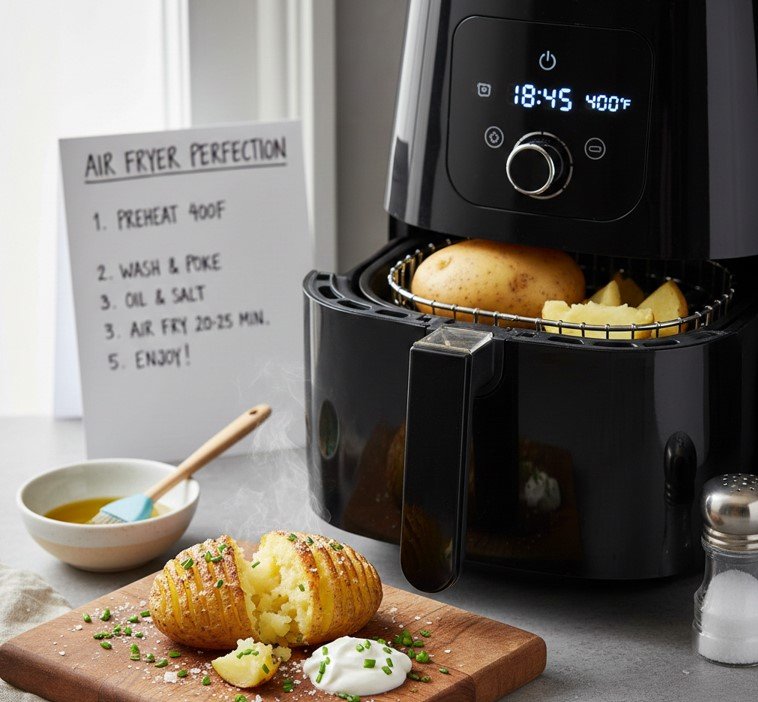
Learning how to bake a potato in an air fryer is increasingly popular for its efficiency and crisp results.
Air Fryer Baking Explained
Air fryers circulate hot air rapidly, creating crisp skin faster than a traditional oven.
Air Fryer Baking Guidelines
• Preheat air fryer to 400°F
• Oil and salt potatoes
• Place in single layer
• Cook 35–45 minutes
• Flip halfway through
• Test for tenderness
Air fryers deliver excellent crispness with less time and energy.
Also Read:- How to Tell if a Mango is Ripe: Ultimate Guide for Perfect Mangoes
How to Bake a Potato in a Toaster Oven
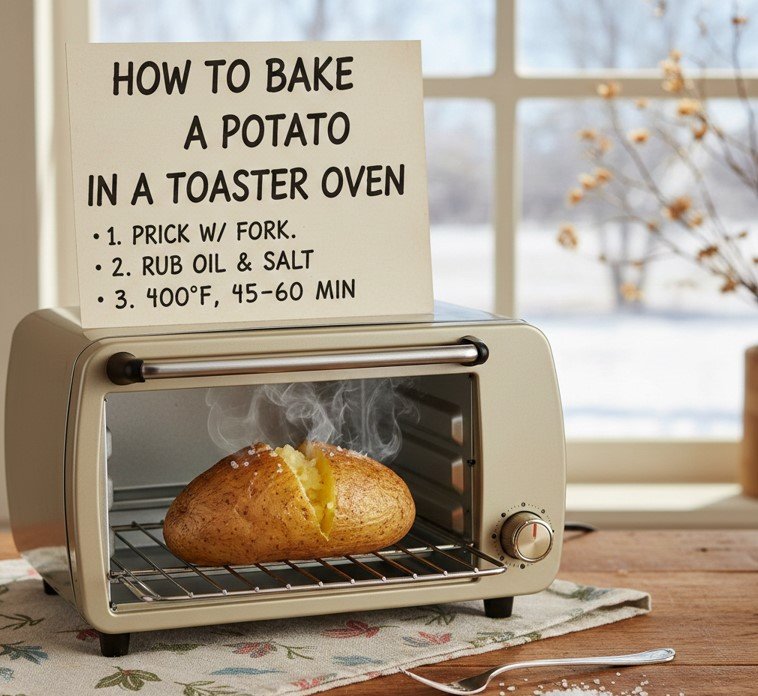
For small kitchens, learning how to bake a potato in a toaster oven is highly practical.
Toaster Oven Baking Explained
Toaster ovens provide focused heat in a compact space, reducing energy use.
Toaster Oven Best Practices
• Preheat to 425°F
• Place potato on rack or tray
• Bake 45–55 minutes
• Rotate if needed
• Check internal softness
• Vent steam after baking
This method works well for one or two potatoes.
Also Read:- How to Stop Sneezing: Effective Tips and Remedies
Common Mistakes When Baking Potatoes
Avoiding mistakes ensures consistent success.
Frequent Errors
• Wrapping in foil
• Skipping piercing
• Baking at low temperature
• Not drying skin
• Overcrowding oven
• Underseasoning skin
Correcting these mistakes improves texture and flavor instantly.
Also Read:- How to Format an SD Card: The Complete Beginner-to-Advanced Guide
Toppings and Serving Ideas for Baked Potatoes
A baked potato is a blank canvas.
Popular Topping Categories
• Butter and salt classics
• Cheese and sour cream
• Protein toppings (chicken, chili)
• Vegetable toppings
• Dairy-free alternatives
• International flavors
Toppings transform baked potatoes into complete meals.
Storage and Reheating Baked Potatoes
Proper storage maintains safety and texture.
Storage Guidelines
• Cool within 2 hours
• Refrigerate up to 4 days
• Store uncut if possible
• Reheat in oven or air fryer
• Avoid microwave reheating alone
• Discard if sour smell develops
Safe storage prevents bacterial growth.
Also Read:- How Much to Wrap a Car: Complete Cost Guide
Conclusion
Mastering how to bake a potato is about understanding heat, moisture, and timing. Whether you bake a potato in the oven, microwave, air fryer, or toaster oven, using the correct method ensures fluffy interiors, crispy skins, and deep flavor every time.
FAQs
Should potatoes be wrapped in foil?
No. Foil traps moisture and softens skin.
How do you know a baked potato is done?
A fork should slide in easily without resistance.
Can baked potatoes be made ahead?
Yes, but reheat in oven for best texture.
Are baked potatoes healthy?
Yes, they are rich in potassium and fiber when eaten with skin.
Visit For More Information Go To entrepreneurideas