
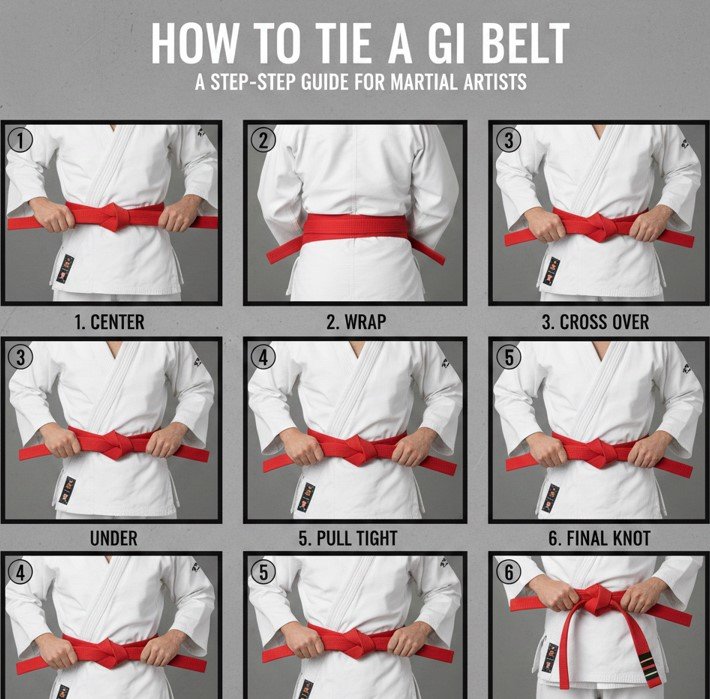
Tying a gi belt is one of the first skills every martial artist must master. Whether you practice Brazilian Jiu-Jitsu (BJJ), Karate, Aikido, Taekwondo, Judo, or any other martial art, learning how to tie your gi belt correctly is essential. Not only is it part of your uniform, but it’s also a symbolic gesture that reflects discipline and respect in martial arts.
In this guide, we will cover everything you need to know about how to tie a gi belt, including the correct knotting techniques for different martial arts disciplines. You’ll learn about various styles, the significance of the gi belt, and how to tie it in a way that stays secure throughout your training sessions.
Why Tying a Gi Belt Correctly is Important
Tying a gi belt is not only a matter of functionality but also a reflection of a martial artist’s respect for tradition, discipline, and attention to detail. Here’s why learning how to tie a gi belt correctly is so important:
• Symbolizes respect and tradition: In martial arts, the gi belt is a symbol of achievement, progress, and humility. The way you tie your belt shows respect for your art and its traditions.
• Practicality: A well-tied belt ensures that the gi stays secure and doesn’t unravel during practice, allowing for comfort and focus.
• Discipline: Consistently tying your gi belt correctly is a practice in self-discipline, demonstrating your attention to detail and readiness for training.
• Uniformity: Properly tying your gi belt ensures that your uniform looks neat and aligned with the standard in the martial arts community.
• Safety: A properly tied belt reduces the risk of the belt coming loose during sparring or grappling, which could interfere with your movements and safety.
• Focus on the fundamentals: Mastering the technique of tying your gi belt is one of the first lessons a martial artist learns, laying the groundwork for further growth in their discipline.
Also Read:- How to Texture a Wall: A Comprehensive Guide to Beautiful Wall Finishes
How to Tie a Gi Belt BJJ: The Traditional Method
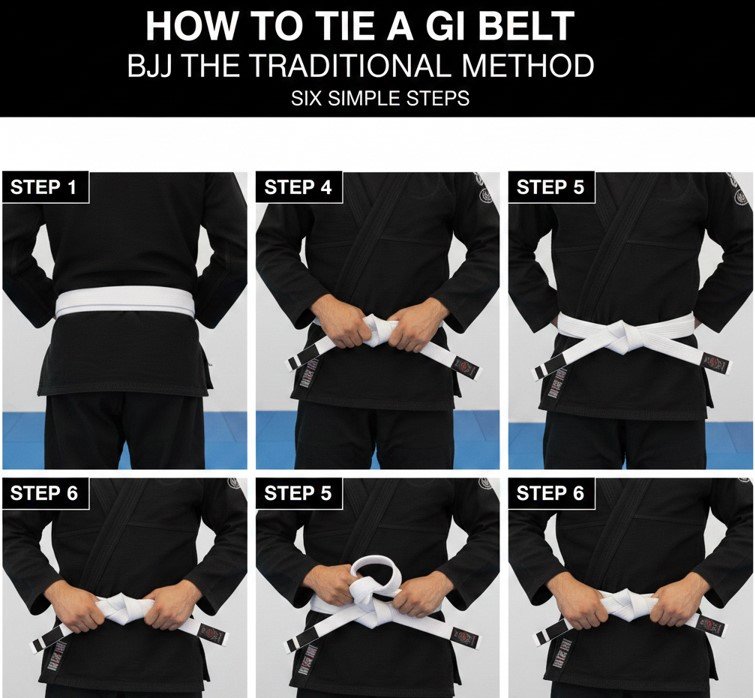
In Brazilian Jiu-Jitsu (BJJ), tying a gi belt is an important ritual that signals a martial artist’s level of expertise. The knot you tie signifies your rank and your connection to the art. Here’s how to tie a gi belt in the traditional BJJ style:
• Start by finding the middle
Lay the belt flat and find the middle of the gi belt. Position the center of the belt at your abdomen, ensuring that both ends are of equal length.
• Wrap the belt around your waist
Take both ends of the belt and wrap them around your waist. Bring one end to the front while pulling the other end to the back. This step secures the belt in place and ensures it’s centered on your body.
• Cross the ends and pull tight
Bring the ends of the belt to the front and cross them over each other. Pull them tightly to ensure a secure fit. This ensures that the belt won’t come loose during sparring or training.
• Tuck one end under the other
Take the top end of the belt and pass it underneath the belt loops created around your waist. Pull the end through, creating the initial knot.
• Create the knot
Now, take the same end and pass it over the front of the belt, creating a loop. Tuck the end of the belt under the loop and pull tight to form a secure knot.
• Adjust the knot
Make sure the knot is centered and even. The gi belt should rest comfortably on your waist, and the knot should remain secure throughout your training.
Also Read:- How to Tell if a Mango is Ripe: Ultimate Guide for Perfect Mangoes
How to Tie a Gi Belt for Jiu-Jitsu: The Basic Knot
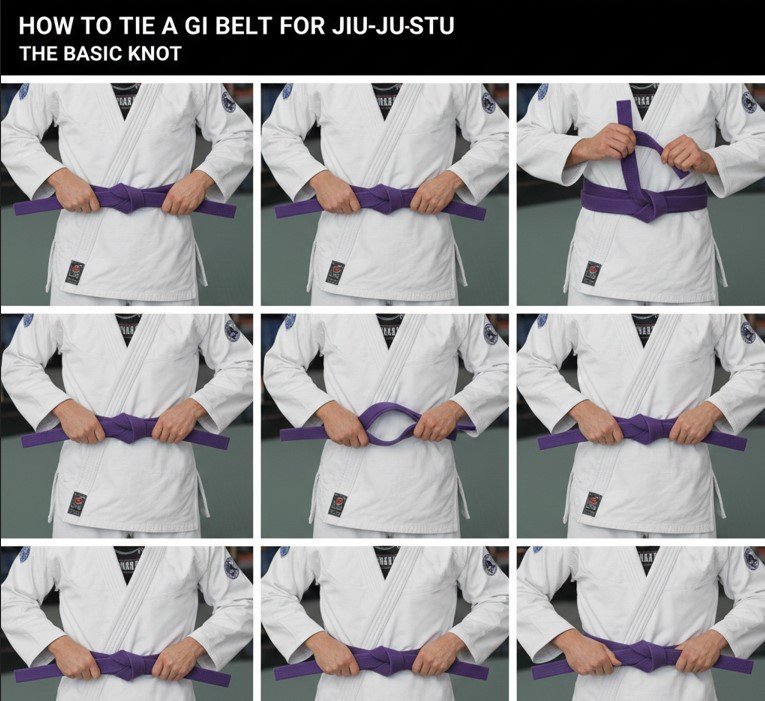
Jiu-Jitsu, especially the Brazilian variant, requires precision in all aspects, including how the gi belt is tied. A properly tied belt serves as a symbol of respect and skill, and learning the basic knot ensures a neat and secure uniform during training.
• Prepare your gi belt
Place the gi belt flat and ensure both ends are even. Lay the belt across your waist, ensuring the center of the belt aligns with your midsection.
• Wrap the belt around your waist
Wrap the belt around your waist twice, bringing both ends to the front. The belt should be snug, but not so tight that it restricts your movement.
• Cross the belt and tighten
Cross the ends of the belt over each other in front of your body, pulling them tightly. This step is important for ensuring the belt stays in place.
• Tuck the end under the belt
Take one end of the belt and tuck it under both layers of the belt around your waist. Pull it through to create the initial knot.
• Create a loop and secure
Form a loop with the top part of the belt and pass it over the belt. Then, tuck it underneath the loop, pulling the ends to create a secure knot.
• Ensure symmetry
Adjust the knot and the belt’s length so that both ends are even, and the knot is centered. This provides a neat and functional look, essential for Jiu-Jitsu.
Also Read:- How to Stop Sneezing: Effective Tips and Remedies
How to Tie a Gi Belt for Karate: A Simple and Traditional Knot
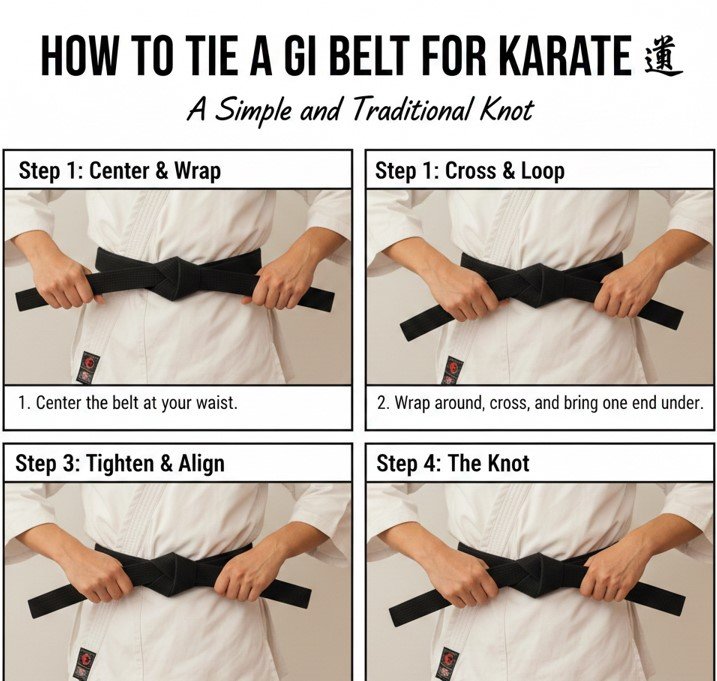
In Karate, the gi belt holds significant symbolic meaning, with different colors representing a student’s rank. Tying your gi belt correctly is an essential skill, as it is part of the tradition and discipline in Karate.
• Find the middle of the belt
Start by folding the belt in half to locate the center, then position it at your waist.
• Wrap the belt around your waist
Bring both ends around your waist, crossing them at the back and bringing them to the front. The belt should fit comfortably but tightly around your waist.
• Cross the ends
Once the belt is securely wrapped around your waist, cross the two ends over each other in front. Pull the belt tightly to ensure it stays in place.
• Tuck one end under
Take the top end and tuck it under the crossed belts at the front, bringing it through to form the first knot.
• Create the final knot
Make a loop with the top end of the belt and pass it over the top of the belt, tucking it under the loop to form a traditional knot.
• Adjust the knot and length
Ensure both ends of the belt are even and that the knot is centered. The ends should be of equal length for a clean and balanced look.
Also Read:- How to Format an SD Card: The Complete Beginner-to-Advanced Guide
How to Tie a Gi Belt for Aikido: A Standard Method
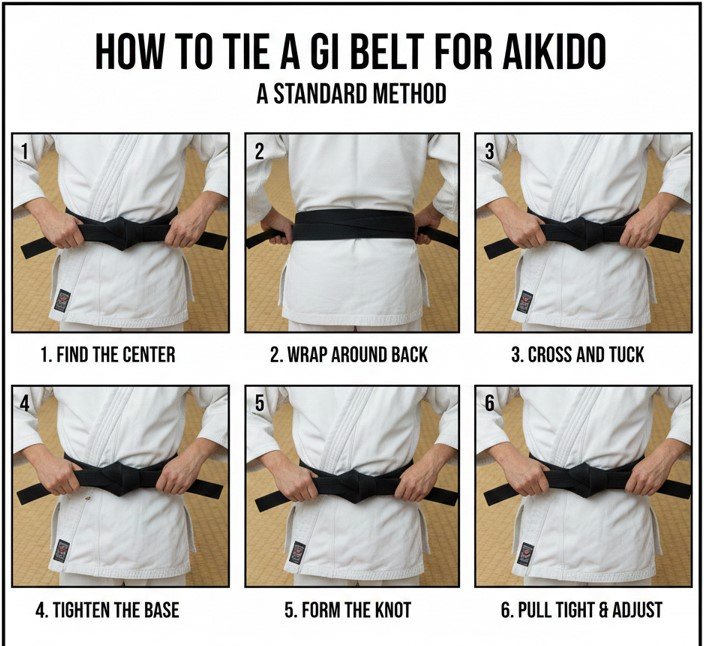
In Aikido, the gi belt signifies the practitioner’s level of skill, and knowing how to tie it properly is essential to maintaining the art’s traditions. Here’s how to tie a gi belt for Aikido:
• Center the belt on your waist
Lay the gi belt flat and find the center, then place it at your waist. Ensure both ends are of equal length.
• Wrap the belt around
Wrap both ends around your waist, bringing them to the front and crossing them over each other.
• Tighten the belt
Once the belt is wrapped around, pull the ends tightly to secure it. This ensures the belt stays in place during practice.
• Tuck one end under the belt
Take the top part of the belt and tuck it under both layers, pulling it through to form the initial knot.
• Create a loop
Pass the top part of the belt over the front and form a loop, tucking it under the belt to complete the knot.
• Adjust for evenness
Ensure both ends of the belt are even, and the knot is centered for a balanced and professional appearance.
Also Read:- How Much to Wrap a Car: Complete Cost Guide
How to Tie a Gi Belt for Taekwondo: A Clean and Tight Knot
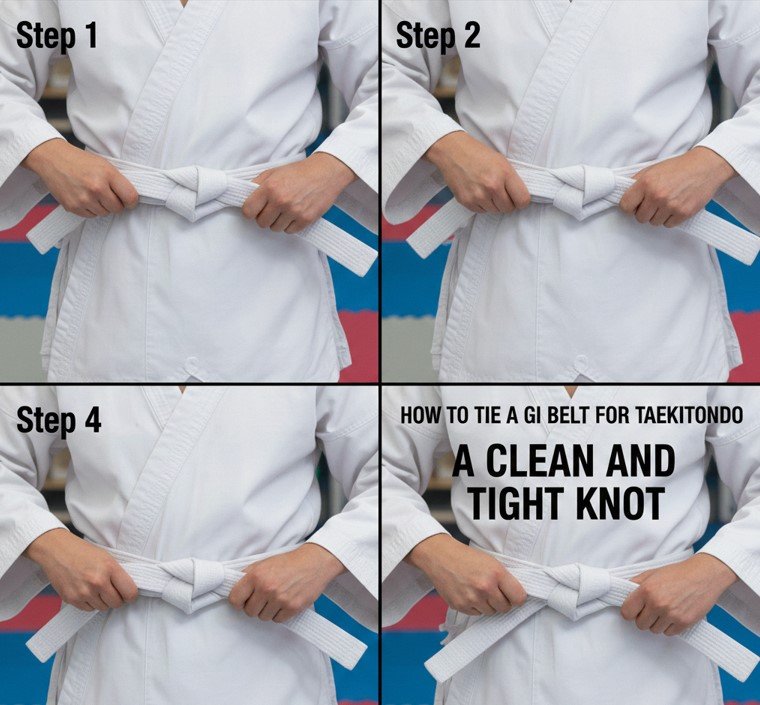
In Taekwondo, the gi belt represents your rank and accomplishments. Tying it correctly is part of the tradition and discipline in this martial art. Here’s how to tie a gi belt for Taekwondo:
• Find the center of the belt
Start by folding the belt in half to find the center. Position the center at your waist, ensuring that both ends are of equal length.
• Wrap the belt around your waist
Bring the ends around your waist, crossing them at the back, and bring them to the front.
• Cross the belt at the front
Once the belt is around your waist, cross the ends over each other in front of your body. Pull them tight to ensure a secure fit.
• Tuck one end underneath
Take the top part of the belt and tuck it under the two crossed sections of the belt at the front.
• Create the knot
Form a loop with the top end and pass it over the top of the belt, tucking it underneath the loop to secure the knot.
• Adjust the knot for symmetry
Make sure both ends are even, and the knot is centered at the front for a clean, polished appearance.
Also Read:- How to Mix Essential Oils: A Complete Guide for Safe and Effective Blending
How to Tie a Gi Belt for Judo: The Judo Knot
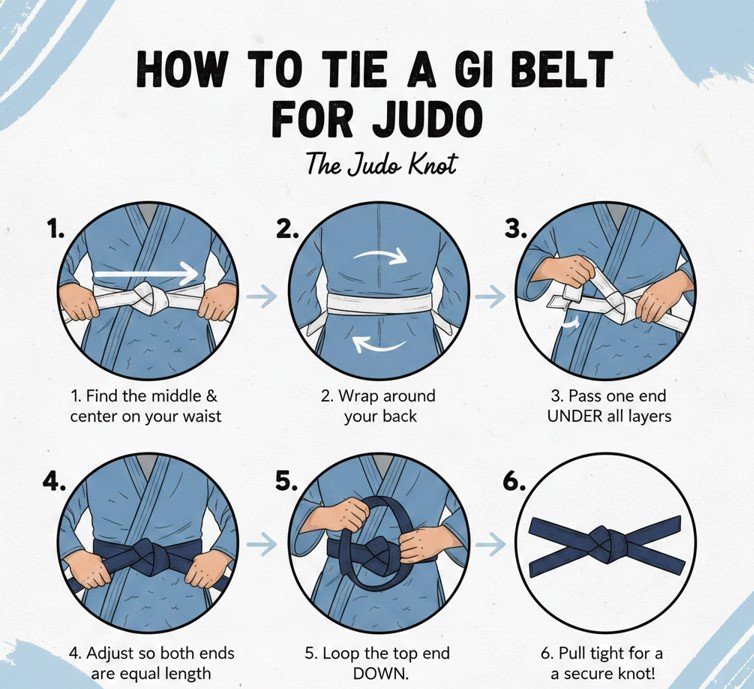
In Judo, the gi belt is an essential part of the uniform, and proper knotting signifies respect for the tradition. Here’s how to tie a gi belt for Judo:
• Locate the center of the belt
Start by folding the belt in half and finding the center. Place it around your waist with the center of the belt positioned at your front.
• Wrap the belt around the waist
Wrap both ends of the belt around your waist, bringing the ends to the front. Cross them over each other at the front.
• Pull tight
Once the belt is wrapped around your waist, pull the ends tightly to secure it in place.
• Tuck one end under
Take the top end and tuck it underneath both sections of the belt at the front, pulling it through.
• Create the loop and knot
Form a loop with the top part of the belt, pass it over the top of the belt, and tuck it underneath to complete the knot.
• Check for evenness
Ensure both ends of the belt are even and the knot is centered for a neat and secure finish.
Also Read:- How to Make Fajita Seasoning: A Complete Homemade Spice Guide
Conclusion
Knowing how to tie a gi belt is an important skill for martial artists in a variety of disciplines, from BJJ and Karate to Aikido, Taekwondo, and Judo. Not only does it symbolize your rank and respect for tradition, but it also ensures a practical and secure fit during your training. By following the step-by-step instructions in this guide, you’ll be able to tie your gi belt with confidence and precision, showing your dedication to the art.
FAQs
How long should the ends of my gi belt be?
The ends of your gi belt should be roughly even, with each side hanging down approximately the same length.
How tight should my gi belt be?
The gi belt should be tight enough to stay secure during practice but not so tight that it restricts movement or breathing.
Can I tie my gi belt any way I want?
While there are different methods for tying a gi belt, it’s important to follow the traditional method used in your specific martial art to maintain discipline and respect.
Should I tie my gi belt before every class?
Yes, it’s important to tie your gi belt properly before every class, as it shows respect for the art and helps maintain focus during training.
Can I use a belt that’s too long for me?
If your belt is too long, it can be difficult to tie securely. It’s best to use a belt that fits your size for the most comfortable and practical fit.
Visit For More Information Go To entrepreneurideas