
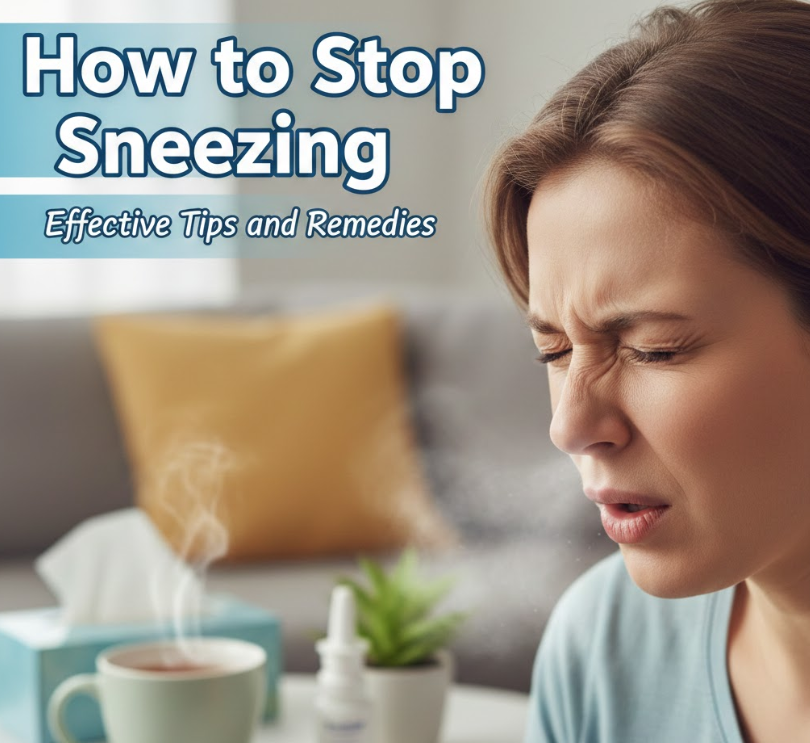
Sneezing is a natural reflex that helps your body clear irritants from your nasal passages. While it is usually harmless, frequent sneezing can be uncomfortable, disruptive, and even painful.
Knowing how to stop sneezing effectively can provide relief whether your sneezing is caused by colds, allergies, or environmental irritants. In this guide.
We will explore practical strategies, instant remedies, and preventive measures to manage sneezing and associated symptoms like a runny nose.
How to Stop Sneezing and Runny Nose Instantly
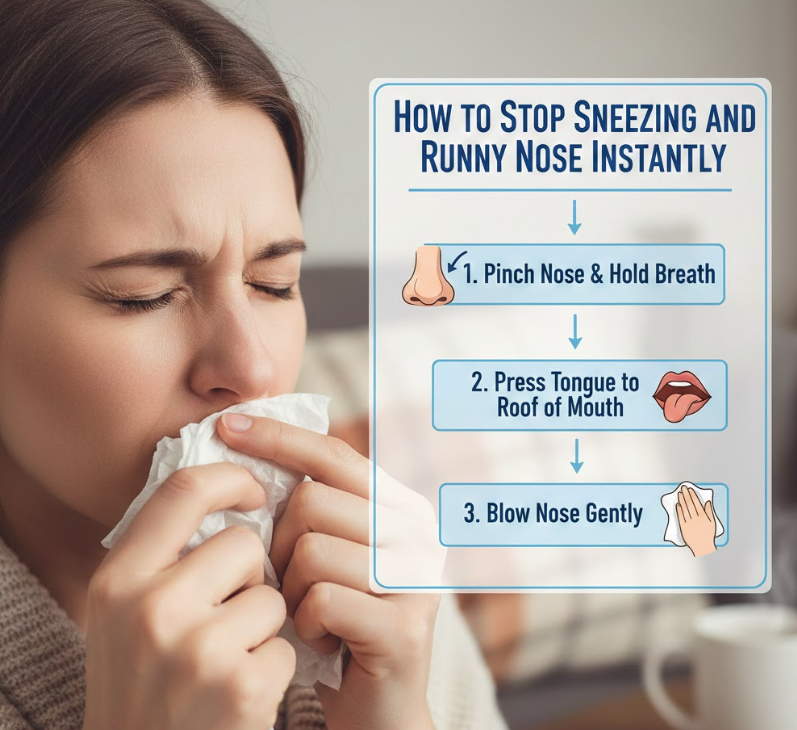
Sneezing and a runny nose can be irritating, especially when you need immediate relief. Instant remedies are focused on temporarily suppressing the sneezing reflex, soothing nasal passages, and reducing mucus production.
While these methods are not a cure for underlying conditions, they provide quick comfort and prevent ongoing irritation.
- Pinching Your Nose and Holding Your Breath: Pinching the soft part of your nose while holding your breath for a few seconds can interrupt the sneeze reflex. This technique works by momentarily blocking nerve signals from the nasal lining to the brain.
- Pressing the Tongue Against the Roof of Your Mouth: Applying firm pressure with your tongue against the roof of the mouth can stimulate the palate and redirect nerve impulses, which may suppress sneezing.
- Using Saline Nasal Spray: Saline sprays moisten nasal passages, flush out irritants, and reduce inflammation. They provide instant relief from dryness and blockages that often trigger sneezing and runny nose.
- Applying a Cold Compress: Placing a cold compress on your nose or forehead can reduce inflammation in the nasal tissues and constrict blood vessels, temporarily relieving sneezing and discharge.
- Drinking Warm Fluids: Warm water, herbal teas, or broths help thin mucus, soothe the nasal lining, and reduce irritation, which can stop the urge to sneeze.
- Inhaling Steam: Steam inhalation opens nasal passages and clears out allergens or irritants. Adding essential oils like eucalyptus can further enhance relief and provide comfort from a runny nose.
These instant strategies are highly effective for managing sneezing episodes at home and can be used anytime sneezing strikes unexpectedly.
Also Read:- How to Dry Orange Slices: The Complete Step-by-Step Guide for Every Purpose
How to Stop Sneezing from a Cold

Sneezing caused by a cold is triggered by inflammation of the nasal passages due to viral infections. Managing sneezing from a cold requires reducing irritation.
Controlling inflammation, and supporting your immune system to speed up recovery.
- Rest and Hydration: Giving your body ample rest and drinking plenty of fluids strengthens the immune system, reduces nasal congestion, and mitigates sneezing. Adequate hydration also helps thin mucus, making it easier to clear irritants.
- Over-the-Counter Antihistamines and Decongestants: Medications like loratadine or pseudoephedrine relieve nasal inflammation and suppress sneezing triggered by colds. Always follow dosage instructions for safe usage.
- Nasal Irrigation: Using a neti pot or saline rinse flushes out mucus and viral particles, soothing nasal tissues and reducing sneezing frequency. This method also helps prevent secondary infections.
- Humidifiers: Dry air worsens nasal irritation and triggers sneezing. Using a humidifier maintains moisture in the nasal passages, preventing persistent sneezing.
- Warm Compresses: Applying warmth to the sinus areas relaxes nasal tissues, reduces congestion, and temporarily stops sneezing from cold irritation.
- Vitamin C and Immune-Boosting Foods: Consuming fruits, vegetables, and supplements rich in vitamin C and antioxidants can enhance immune function and shorten the duration of cold-related sneezing episodes.
Managing sneezing from a cold focuses on soothing irritated nasal passages while supporting recovery. Combined methods provide relief and minimize discomfort.
Also Read:- How to Format an SD Card: The Complete Beginner-to-Advanced Guide
How to Stop Sneezing from Allergies
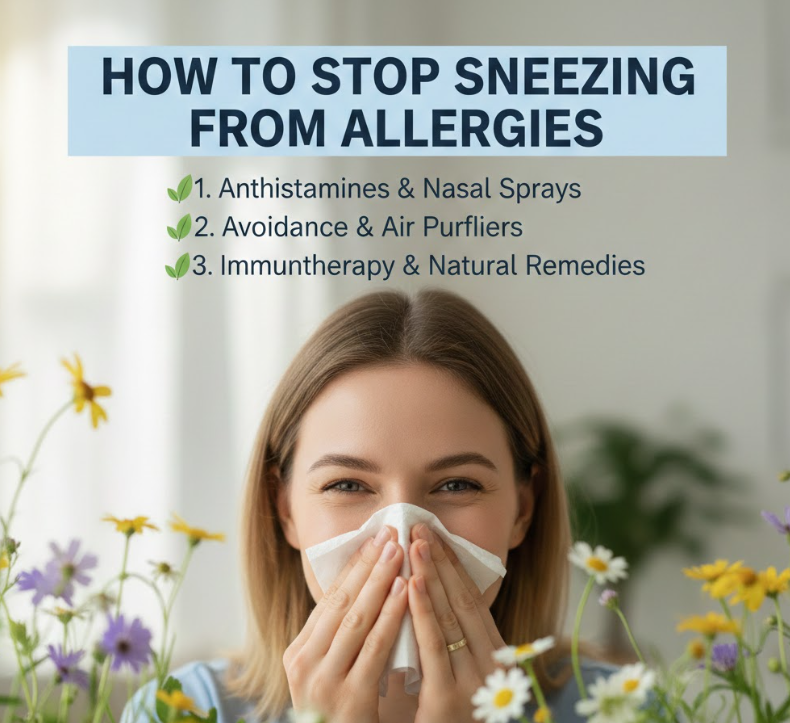
Allergic sneezing occurs when the immune system overreacts to allergens like pollen, dust, pet dander, or mold. The body releases histamines, triggering sneezing, itching, and watery eyes.
Managing allergic sneezing involves avoiding triggers, reducing inflammation, and suppressing histamine responses.
- Identify and Avoid Triggers: Keeping track of environmental triggers like pollen or dust mites helps prevent allergic sneezing. Using air purifiers, closing windows, and cleaning frequently reduces exposure.
- Antihistamine Medications: Over-the-counter antihistamines like cetirizine or diphenhydramine block histamine release, providing effective relief from sneezing and nasal congestion.
- Nasal Corticosteroid Sprays: Prescription or OTC steroid sprays reduce nasal inflammation and prevent sneezing caused by allergic reactions. They work best when used consistently during allergy season.
- Saline Nasal Rinses: Regular saline washes flush out allergens from nasal passages, providing relief from immediate sneezing episodes. This also minimizes mucus accumulation and irritation.
- Wear Masks During High Allergen Exposure: Masks filter airborne particles and reduce the chance of inhaling allergens that trigger sneezing. This is particularly useful outdoors during pollen season.
- Maintain a Clean Environment: Frequent vacuuming, dusting, and washing bedding help eliminate allergens that cause sneezing. Using HEPA filters in vacuums and air purifiers improves effectiveness.
Controlling allergic sneezing requires a combination of environmental management, medication, and preventive strategies to maintain comfort and reduce irritation.
Also Read:- How Much to Wrap a Car: Complete Cost Guide
How to Stop Sneezing and Runny Nose
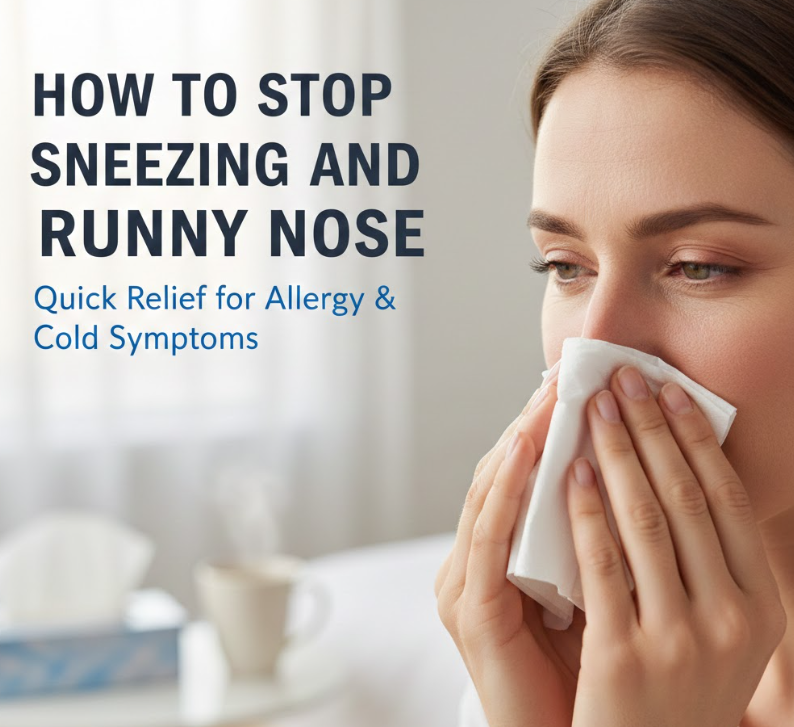
Sneezing often comes with a runny nose, especially when triggered by infections, allergies, or irritants. Stopping both requires a multi-pronged approach: soothing nasal tissues.
Reducing inflammation, and eliminating triggers.
- Stay Hydrated: Drinking plenty of water thins mucus, helping clear nasal passages and reducing sneezing along with runny nose. Herbal teas and broths provide additional soothing effects.
- Use Nasal Sprays: Saline and medicated sprays provide relief by moisturizing nasal tissues, flushing out irritants, and reducing inflammation that causes sneezing and discharge.
- Apply Warm Compresses: Warm compresses over the nose and sinuses help relax inflamed tissues, reducing both sneezing and nasal secretions.
- Steam Therapy: Inhaling steam opens nasal passages, clears irritants, and decreases mucus production, providing relief from both symptoms simultaneously.
- Take Antihistamines or Decongestants: For allergy or cold-induced symptoms, medications like loratadine, pseudoephedrine, or combination therapies can effectively reduce sneezing and runny nose.
- Avoid Environmental Irritants: Smoke, strong perfumes, and dust can worsen sneezing and nasal discharge. Limiting exposure helps control symptoms quickly.
By combining these approaches, individuals can reduce both sneezing and runny nose effectively and improve comfort during episodes.
Also Read:- How to Mix Essential Oils: A Complete Guide for Safe and Effective Blending
How to Stop Sneezing Fit
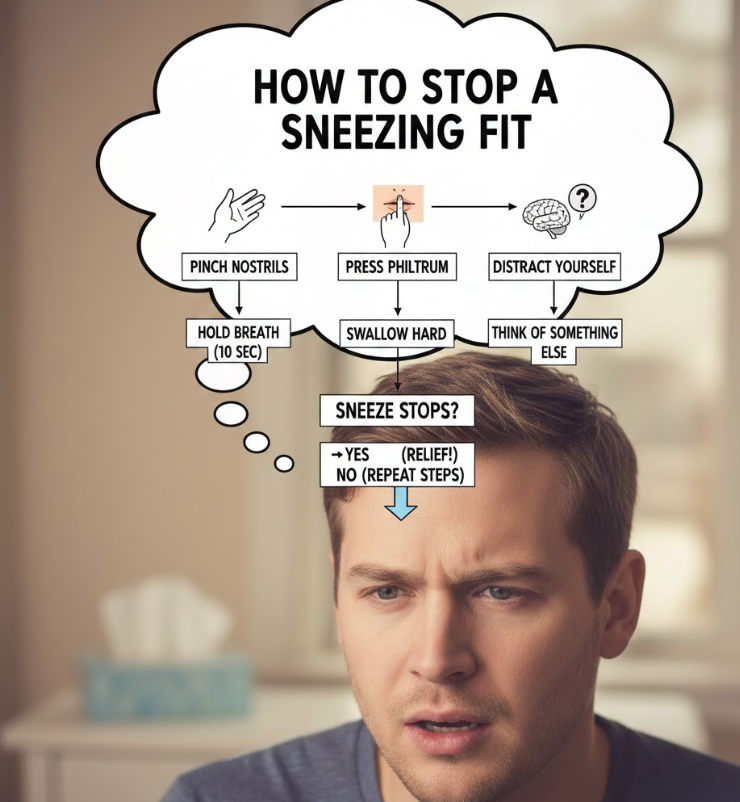
A sneezing fit is a series of sneezes that occur consecutively and can be exhausting. These fits are often triggered by irritants, allergies, infections, or sudden exposure to bright light (photic sneeze reflex).
Stopping a sneezing fit requires calming the nasal nerves, reducing irritation, and interrupting the reflex.
- Control Breathing: Slow, deep breaths help calm the nervous system and interrupt the sneezing reflex during a fit. Controlled breathing also reduces nasal irritation.
- Pinch and Press Technique: Pinching your nose and pressing the upper lip or nasal bridge can temporarily halt nerve signaling, stopping the fit.
- Identify Triggers: Understanding triggers like dust, perfume, or sudden light exposure allows you to avoid them and prevent recurring sneezing fits.
- Use Steam Inhalation: Steam opens nasal passages, loosens mucus, and calms the irritation causing consecutive sneezes.
- Antihistamines or Decongestants: Taking medications before exposure to known triggers can prevent or reduce sneezing fits, especially for allergy sufferers.
- Apply Pressure to the Soft Palate or Tongue: Pressing the tongue against the roof of the mouth or gently massaging the soft palate can redirect nerve impulses and stop repeated sneezing.
Sneezing fits can be managed with a combination of preventive measures and instant techniques to provide relief and minimize discomfort.
Also Read:- How to Make Fajita Seasoning: A Complete Homemade Spice Guide
Conclusion
Learning how to stop sneezing effectively is crucial for comfort, productivity, and health. Whether sneezing is caused by colds, allergies, or environmental irritants, combining instant remedies, preventive measures, and medical guidance ensures quick relief and reduces the risk of recurring symptoms. Techniques such as nasal sprays, steam inhalation, medications, and environmental control provide comprehensive solutions for sneezing, runny nose, and sneezing fits.
FAQs
Q1: Can sneezing be prevented completely?
A: While complete prevention may not be possible, avoiding triggers, maintaining hygiene, and using preventive medications can significantly reduce sneezing frequency.
Q2: Are antihistamines safe for everyone?
A: Most antihistamines are safe, but consult a doctor if you are pregnant, breastfeeding, or have other medical conditions.
Q3: How long does a sneezing fit usually last?
A: Sneezing fits can last from a few seconds to several minutes, depending on the trigger and individual sensitivity.
Q4: Can diet affect sneezing?
A: Certain foods like spicy dishes may trigger sneezing in sensitive individuals, while a healthy, nutrient-rich diet supports immune function.
Q5: When should I see a doctor for sneezing?
A: If sneezing is persistent, severe, or accompanied by other symptoms like fever or sinus infections, seek medical advice
Visit For More Information Go To entrepreneurideas