

Becoming a pharmacist is a rewarding career that combines healthcare, science, and patient care. Knowing how to become a pharmacist involves understanding the educational requirements, certifications, and career pathways necessary to practice legally and effectively. Pharmacists play a critical role in healthcare systems, dispensing medications, advising patients, and collaborating with physicians to optimize treatment outcomes.
The journey to becoming a pharmacist can vary depending on your career goals. Some pursue traditional paths in hospitals or retail pharmacies, while others specialize in research, clinical pharmacy, or pharmaceutical management. Additional roles, such as pharmacist technicians and assistants, also provide entry points into the profession and valuable experience for future pharmacists.
This guide explores various pathways, including becoming a pharmacist technician or assistant, online programs, salary expectations, and practical steps to achieve licensure. By understanding these factors, aspiring pharmacists can plan their education, gain experience, and navigate certification processes with confidence.
How to Become a Pharmacist Tech
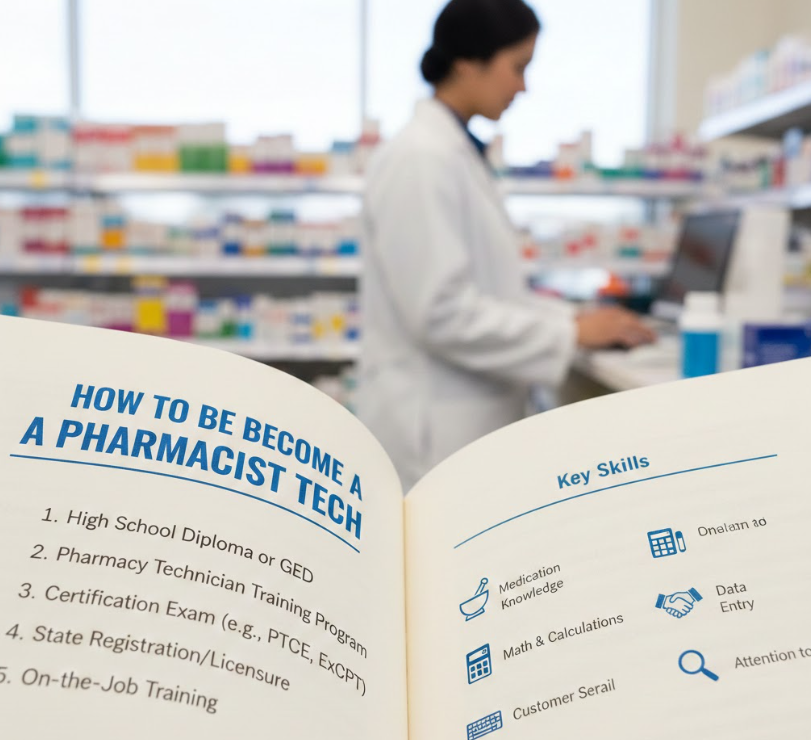
A pharmacist technician supports licensed pharmacists in preparing medications, managing inventory, and assisting patients. This role requires specialized training and certification but is often more accessible than full pharmacist licensure. This section outlines steps to become a pharmacist tech and build relevant experience.
Step-by-Step Build Points
• Complete a high school diploma or equivalent
A strong foundation in science and mathematics is essential. Courses in biology, chemistry, and mathematics prepare students for the technical demands of pharmacy work.
• Enroll in a pharmacy technician program
Accredited programs teach pharmacology basics, drug classification, dosage calculations, and pharmacy operations. Completion of a formal program often enhances employment opportunities and eligibility for certification exams.
• Gain hands-on experience
Practical training, including internships or on-the-job learning, helps develop real-world skills. Exposure to retail or hospital pharmacy settings provides insight into workflow and patient interaction.
• Obtain certification
Certifications, such as the Pharmacy Technician Certification Board (PTCB) credential, validate competence. Certification may be required by employers and ensures compliance with state regulations.
• Understand legal and ethical responsibilities
Technicians must know state and federal pharmacy laws, patient privacy regulations, and safe medication handling practices. Ethical conduct is critical to patient safety and professional integrity.
• Seek employment opportunities
Pharmacist techs can work in retail pharmacies, hospitals, or online pharmacies. Job growth is expected to continue, and experience in this role can serve as a stepping stone toward becoming a licensed pharmacist.
Also Read:- How Much to Wrap a Car: Complete Cost Guide
How to Become a Pharmacist Assistant
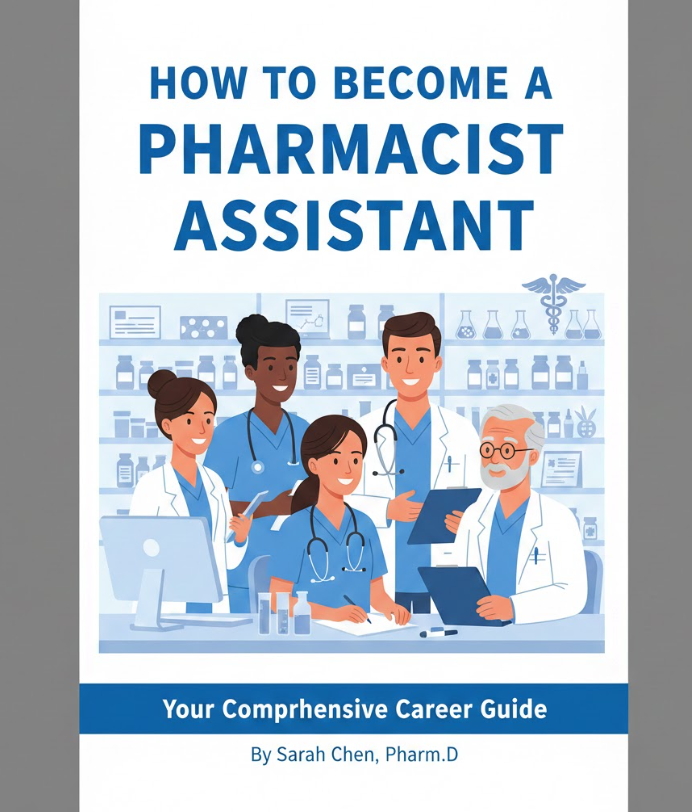
Pharmacist assistants help with administrative tasks, customer service, and inventory management in pharmacies. While they do not dispense medications independently, they provide essential support to licensed pharmacists. This section explains the steps to become a pharmacist assistant and gain experience in a pharmacy setting.
Step-by-Step Build Points
• Earn a high school diploma or GED
Foundational knowledge in basic sciences, math, and communication supports effective job performance. Courses in biology or health education may be particularly beneficial.
• Learn on-the-job skills
Most pharmacist assistants gain experience through training provided by employers. This includes customer service, stocking shelves, processing prescriptions, and handling cash registers.
• Understand pharmacy software systems
Assistants often manage databases, record prescriptions, and input patient information. Familiarity with pharmacy management software streamlines workflow and reduces errors.
• Know basic pharmacology concepts
Although not dispensing medications, understanding drug names, common uses, and interactions helps assist pharmacists accurately and safely.
• Develop strong communication skills
Pharmacist assistants interact directly with patients, answering questions and providing guidance under pharmacist supervision. Clear communication enhances patient satisfaction and safety.
• Pursue certifications (optional)
Some states or employers offer certification programs for pharmacist assistants. Certifications can increase employability and demonstrate a commitment to professional development.
Also Read:- How to Mix Essential Oils: A Complete Guide for Safe and Effective Blending
How to Become a Pharmacist Technician
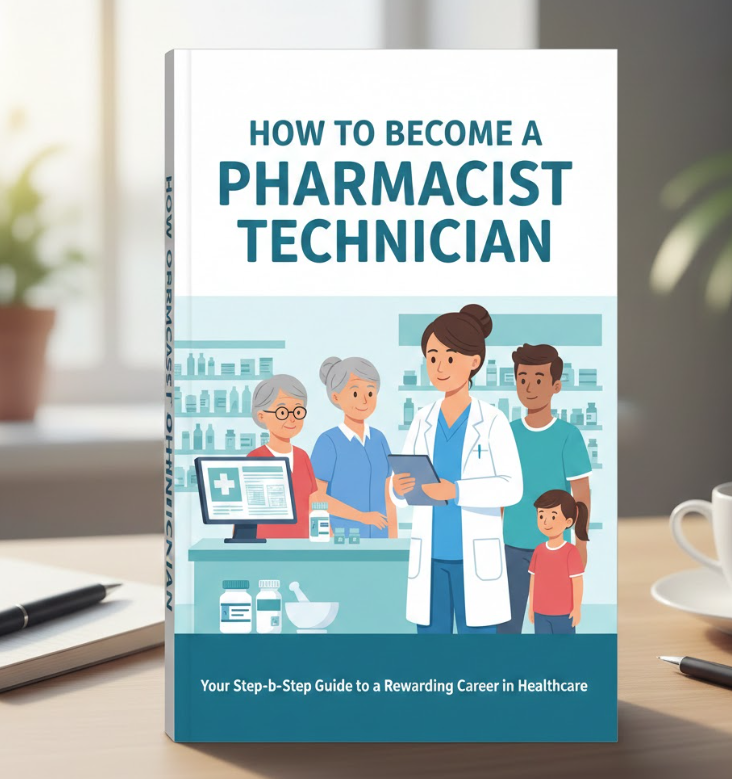
Pharmacist technicians play a pivotal role in supporting pharmacists, preparing prescriptions, managing inventory, and ensuring patient safety. Becoming a technician requires structured education, certification, and practical experience. This section provides a detailed roadmap to pursue this career path.
Step-by-Step Build Points
• Meet educational prerequisites
Complete high school or equivalent with strong coursework in biology, chemistry, and mathematics. These subjects provide the foundation needed for technical pharmacy tasks.
• Enroll in an accredited technician program
Pharmacy technician programs cover pharmacology, medical terminology, and prescription processing. Accredited programs improve employability and ensure compliance with state licensing requirements.
• Gain practical experience
Internships, externships, or on-the-job training allow students to apply theoretical knowledge. Hands-on experience develops technical skills, workflow familiarity, and patient interaction proficiency.
• Obtain certification
The PTCB or similar credentials are often required by employers and state regulations. Certification demonstrates competence, enhances career opportunities, and may result in higher pay.
• Maintain ongoing education
Technicians must complete continuing education courses to maintain certification and stay updated on evolving pharmaceutical regulations and best practices.
• Seek career advancement
Experienced technicians can move into supervisory roles, specialize in clinical or hospital pharmacy, or pursue further education to become licensed pharmacists.
Also Read:- How to Make Fajita Seasoning: A Complete Homemade Spice Guide
How to Become a Pharmacist Online

Online programs offer flexibility for aspiring pharmacists or pharmacy technicians seeking education remotely. Accreditation, curriculum quality, and practical training requirements are critical for online pathways. This section outlines steps to pursue pharmacy education and training through online programs.
Step-by-Step Build Points
• Choose an accredited online program
Ensure the program is recognized by national or state boards. Accreditation ensures coursework meets professional standards and prepares students for licensure.
• Complete prerequisite courses
Many online programs require completion of biology, chemistry, anatomy, and mathematics prerequisites before admission. These foundational courses are essential for understanding pharmacology.
• Participate in virtual lectures and labs
Online programs often include live lectures, recorded lessons, and interactive simulations. Virtual labs provide exposure to pharmaceutical techniques in a controlled, digital environment.
• Arrange in-person practical training
Even online programs require hands-on experience at pharmacies, hospitals, or clinical settings. Coordinating local internships ensures competency in real-world settings.
• Prepare for licensing exams
Students must pass national or state pharmacy exams, such as the NAPLEX or PTCB, to practice legally. Online programs guide students in exam preparation and test-taking strategies.
• Leverage online resources
Virtual communities, discussion boards, and webinars supplement learning. Engaging with instructors and peers online enhances understanding and professional networking opportunities.
Also Read:- How to Eat a Pomegranate: A Complete, Practical, and Healthy Guide
How to Become a Pharmacist Salary
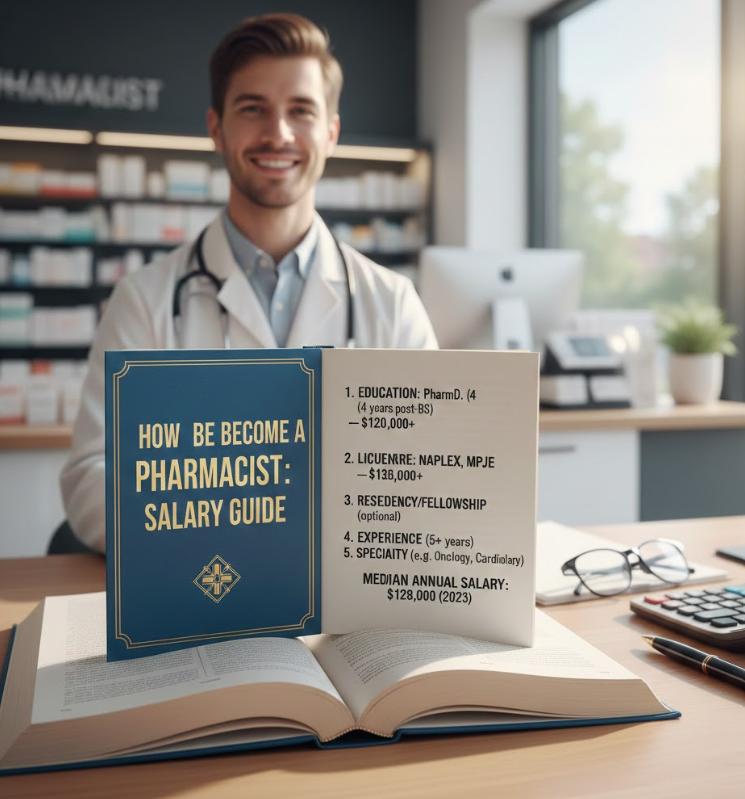
Salary expectations are an important consideration when pursuing a career as a pharmacist. Earnings vary based on education, experience, work setting, and geographic location. This section explores salary ranges, factors affecting pay, and career growth opportunities.
Step-by-Step Build Points
• Understand average salary ranges
In the United States, pharmacists earn between $110,000 and $140,000 annually on average, depending on experience and location. Retail pharmacists may earn slightly less than those in hospitals or specialized fields.
• Consider geographic location
Salaries vary by region, with urban centers and high-cost areas typically offering higher pay. Location also influences cost of living, making geographic considerations essential for planning.
• Evaluate work settings
Pharmacists in hospitals, clinical settings, or specialty pharmacies often earn more than those in retail. Work hours, responsibilities, and patient volume affect overall compensation.
• Factor in experience and education
Advanced degrees, certifications, and years of practice increase earning potential. Specialized roles in oncology, compounding, or clinical trials may offer higher salaries.
• Negotiate benefits and bonuses
Compensation packages may include healthcare, retirement plans, signing bonuses, and continuing education allowances. Total remuneration can significantly enhance salary value.
• Plan for long-term career growth
Continuous professional development, leadership roles, and specialization opportunities can lead to higher salaries and more diverse career paths.
Also Read:- How to Draw a Bat: A Complete Step-by-Step Drawing Guide
Conclusion
Learning how to become a pharmacist requires careful planning, education, and commitment to professional standards. Whether starting as a pharmacist assistant, technician, or pursuing online programs, understanding licensing, certification, salary expectations, and career growth is essential. By following structured pathways, gaining experience, and maintaining professional development, aspiring pharmacists can build rewarding, well-compensated careers in healthcare.
FAQs
What is the difference between a pharmacist tech and assistant?
Technicians handle prescription preparation under pharmacist supervision, while assistants mainly support administrative and customer service tasks.
Can I become a pharmacist online?
Yes, accredited programs offer flexible online courses, but hands-on practical training is required for licensure.
How long does it take to become a pharmacist?
Typically 6–8 years, including undergraduate coursework and a Doctor of Pharmacy (Pharm.D.) program.
What is the average salary of a pharmacist?
Average annual salary ranges from $110,000–$140,000, depending on experience, location, and work setting.
Visit For More Information Go To entrepreneurideas