
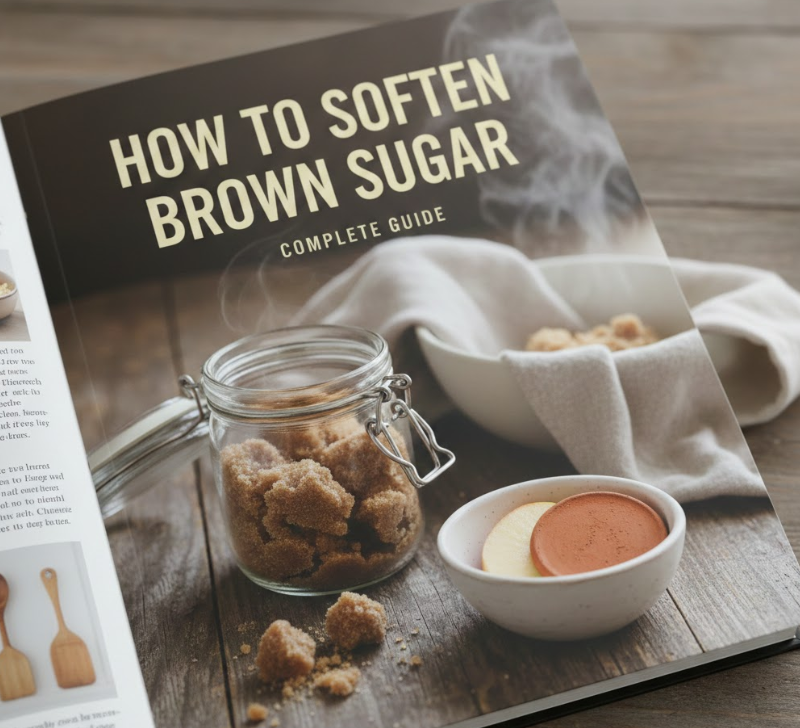
Brown sugar is a staple in kitchens worldwide, used in baking, cooking, and beverages. Its natural moisture content keeps it soft, but over time, it can harden and form clumps. Knowing how to soften brown sugar restores its texture, ensuring accurate measurement, smooth incorporation into recipes, and preserving its rich molasses flavor.
Hardened brown sugar occurs because the molasses in the sugar loses moisture over time. While it remains safe to consume, hardened sugar can make baking and cooking inconvenient. This guide explores multiple techniques to restore soft, pliable brown sugar using quick, natural, and appliance-assisted methods. You’ll learn how to recover small amounts or large quantities, avoid future hardening, and maintain proper storage for long-lasting freshness.
How to Soften Brown Sugar Quickly
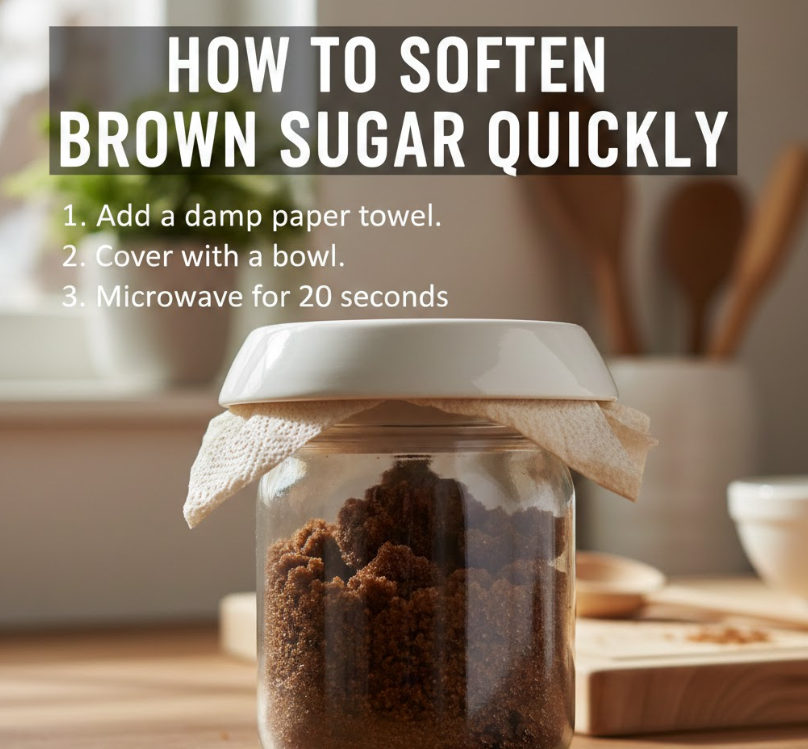
Softening brown sugar quickly is essential when you’re preparing a recipe and don’t have time to wait for natural moisture absorption. Fast methods rely on either moisture addition or gentle heat to loosen clumps.
Advantages
Quick softening restores brown sugar’s pliability in minutes. It ensures you can measure sugar accurately for recipes and maintain consistent flavor and texture in baked goods.
• Break up large clumps manually
Use a fork or spoon to crush hardened pieces. Manual breaking provides immediate relief for small amounts of sugar.
• Place in a sealed container with a damp paper towel
Adding a damp paper towel in an airtight container reintroduces moisture. The sugar absorbs it over 10–15 minutes, softening efficiently.
• Use a slice of fresh bread
Bread releases moisture, which the sugar absorbs naturally. This method is effective for moderate amounts and preserves flavor integrity.
• Microwave with a damp paper towel
Microwave the sugar covered with a damp towel in 20–30 second increments. Stir between intervals to prevent melting or uneven softening.
• Heat gently in an oven
Spread sugar on a baking sheet and bake at 250°F (120°C) for 5–10 minutes. Stir occasionally to ensure even softening.
• Store softened sugar correctly afterward
Transfer the sugar to an airtight container immediately to prevent re-hardening. Proper storage extends usability and avoids repeated softening.
Also Read:- How to Draw Lips: The Ultimate Guide for Beginners and Artists
How to Soften Brown Sugar Fast
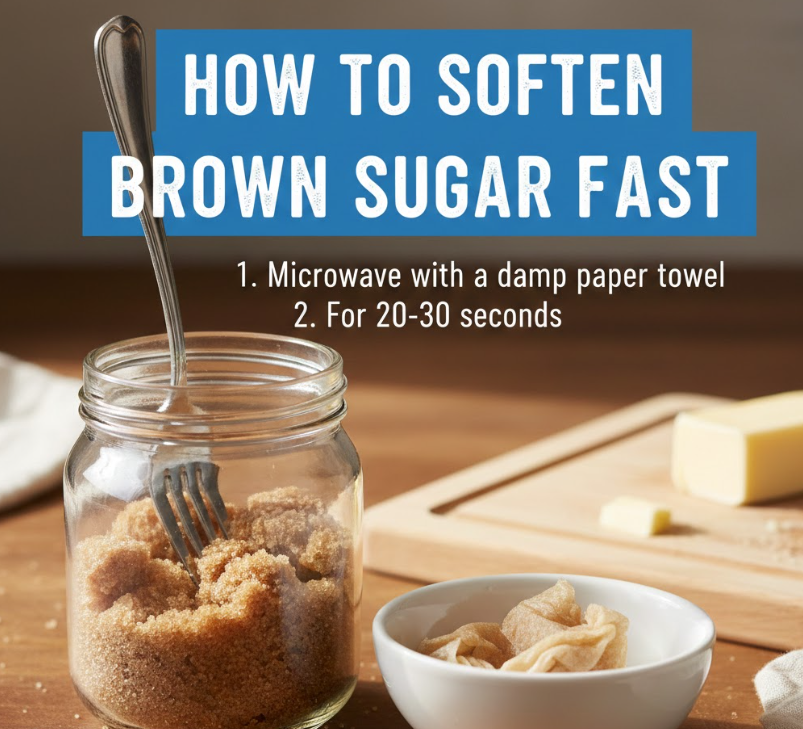
When time is extremely limited, fast methods leverage concentrated heat or moisture transfer to restore sugar texture in mere minutes.
Benefits
Fast softening methods work by rapidly adding moisture or using heat to loosen crystallization. They’re ideal when baking schedules are tight or small quantities are needed.
• Use a damp paper towel in a microwave-safe bowl
Place sugar in a microwave-safe bowl with a damp paper towel on top. Heat in 20–30 second intervals, stirring each time for uniform softening.
• Crush hardened sugar with a rolling pin
Place sugar in a zip-lock bag and gently crush it with a rolling pin. Breaking large clumps manually restores usability without adding moisture.
• Add moisture with fruit slices
Apple or orange slices placed with sugar in an airtight container transfer moisture naturally. This method takes 10–15 minutes but is quick and chemical-free.
• Use a sugar softener stone
These food-safe stones slowly release moisture to the sugar. Place it in an airtight container with sugar for quick results.
• Warm gently on stovetop
Put sugar in a dry skillet over low heat for 2–3 minutes, stirring constantly. Avoid overheating to prevent melting or caramelization.
• Prevent future hardening
Always store sugar in airtight containers with moisture-retaining methods like softener stones or small bread slices. Prevention reduces future time spent softening.
Also Read:- How to Address an Envelope: A Complete Step-by-Step Guide for Every Situation
How to Soften Brown Sugar in the Microwave
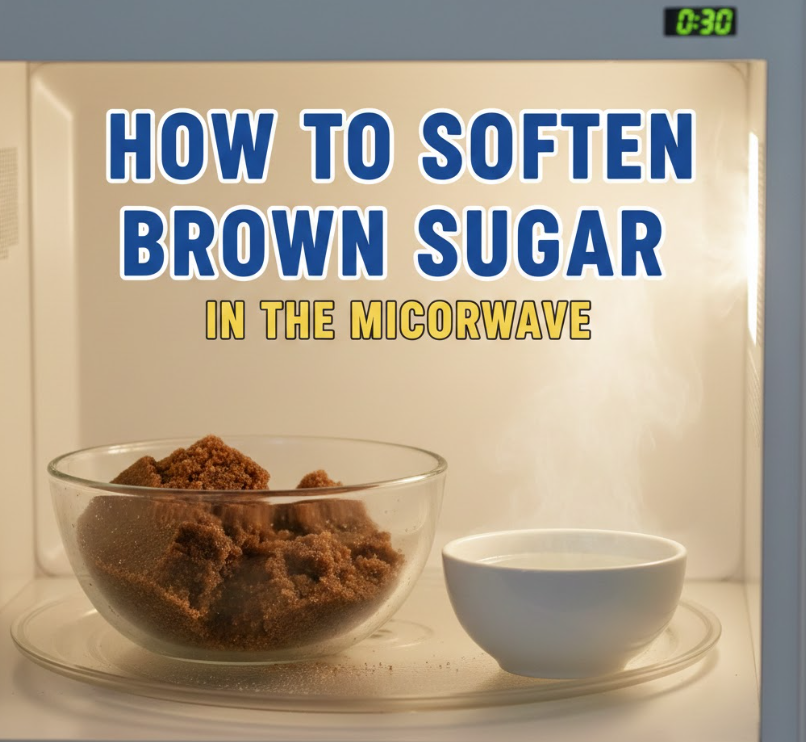
Microwave softening is one of the fastest and most convenient ways to restore sugar to its original texture.
Effectiveness
Microwave softening relies on steam from a damp towel to rehydrate hardened sugar. It is ideal for immediate use in recipes and small batches.
• Place sugar in a microwave-safe bowl
Transfer sugar to a bowl that can withstand microwave heat. Ensure the container allows stirring and heat circulation.
• Cover with a damp paper towel
The towel generates steam, which is absorbed by the sugar. Steam prevents the sugar from drying out further while softening it efficiently.
• Microwave in short intervals
Heat at medium power in 20–30 second bursts. Short intervals reduce the risk of melting sugar and allow even softening.
• Stir between intervals
Mixing redistributes sugar granules, ensuring uniform softening throughout the batch.
• Check texture frequently
Test by pressing between fingers or stirring with a spoon. Stop microwaving once sugar reaches desired softness to avoid overcooking.
• Store immediately
Place softened sugar in an airtight container to lock in moisture and prevent it from hardening again.
Also Read:- How to Jumpstart a Car: A Complete, Safe, and Expert-Backed Guide
How to Soften Brown Sugar That Has Hardened
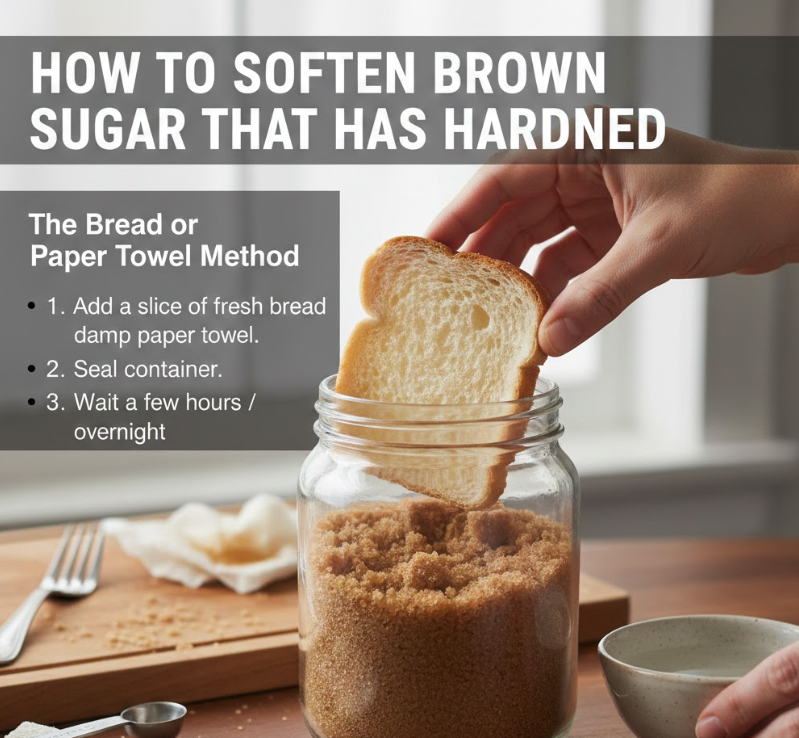
Hardened sugar can be frustrating, especially when recipes require precise measurements. Effective methods restore texture and make sugar pliable for baking.
Importance
Hardened brown sugar remains safe to consume, but clumps interfere with recipe accuracy. Softening restores usability and consistency in cooking.
• Break apart clumps manually
Use a fork or spoon to separate hardened sugar. Small quantities can be softened immediately this way without additional tools.
• Add moisture with damp paper towels
Place sugar in an airtight container with a damp towel for 15–20 minutes. Moisture helps dissolve clumps and restores pliability.
• Use fresh bread or fruit slices
Moist items like apple slices or bread transfer water vapor to sugar, naturally softening it over short periods.
• Apply gentle heat in oven
Spread sugar on a baking tray and bake at 250°F (120°C) for 5–10 minutes. Stir occasionally to ensure even heating.
• Microwave with care
Cover sugar with a damp towel and microwave in short intervals. Stir frequently to avoid overheating.
• Prevent recurrence
After softening, store sugar in airtight containers with moisture-preserving materials. Proper storage ensures long-term usability.
Also Read:-How to Get Ink Out of Clothes: A Complete Fabric-Safe Stain Removal Guide
How to Soften Brown Sugar That Is Hard
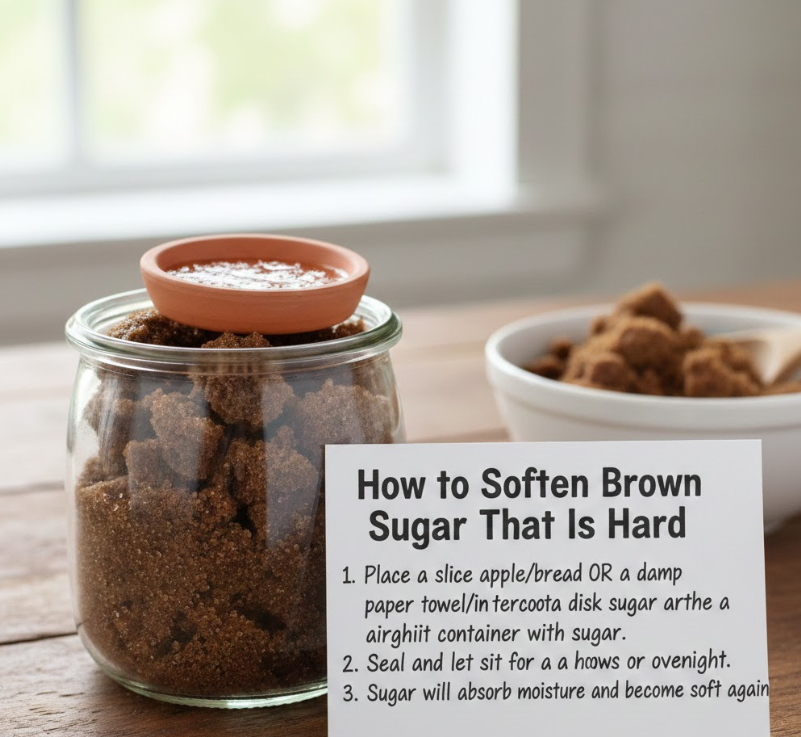
Hard brown sugar is often the result of improper storage or prolonged exposure to air. Restoring it requires reintroducing moisture and breaking clumps carefully.
Steps
Hardened sugar can be rejuvenated with moisture, warmth, or mechanical manipulation. Restoring sugar enhances baking performance and ingredient accuracy.
• Place sugar in an airtight container
Seal sugar with a moisture source like bread, fruit, or a sugar softener stone. The container keeps moisture enclosed, accelerating softening.
• Use gentle heat
Spread sugar on a baking tray and warm in an oven at low temperature (250°F/120°C). Stir to prevent melting and uneven softening.
• Microwave with a damp paper towel
Heat sugar in short bursts with a damp towel on top. Stirring ensures even moisture absorption and prevents overheating.
• Crush clumps manually
For minor hardening, use a fork, spoon, or rolling pin to break apart clumps. This method works well for small amounts.
• Introduce moisture naturally
Apple or orange slices in the container help the sugar reabsorb water and return to a soft texture.
• Store properly for the future
Always use airtight containers with moisture-preserving elements to avoid repeated hardening. Keeping sugar dry outside prevents excess clumping.
Also Read:- How to Make French Press Coffee: A Complete Home Brewing Guide
Conclusion
Knowing how to soften brown sugar is a kitchen-essential skill for bakers and home cooks alike. Whether using microwave, oven, bread, fruit, or natural moisture methods, hardened sugar can be restored efficiently without compromising flavor. Proper storage and moisture retention prevent future hardening, ensuring your brown sugar remains soft, pliable, and ready for recipes whenever needed.
FAQs
Q: Can I use water to soften brown sugar?
A: Yes, but only in small amounts or via steam. Direct water can dissolve sugar excessively.
Q: How long does it take for bread or fruit slices to soften sugar?
A: Usually 10–20 minutes, depending on sugar hardness.
Q: Is microwaving sugar safe?
A: Yes, in short intervals with a damp towel to prevent melting.
Q: Can I store sugar long-term without it hardening?
A: Yes, using airtight containers and moisture-preserving methods.
Q: Does softening affect sugar flavor?
A: No, these methods preserve natural molasses flavor and sweetness
Visit For More Information Go To entrepreneurideas