
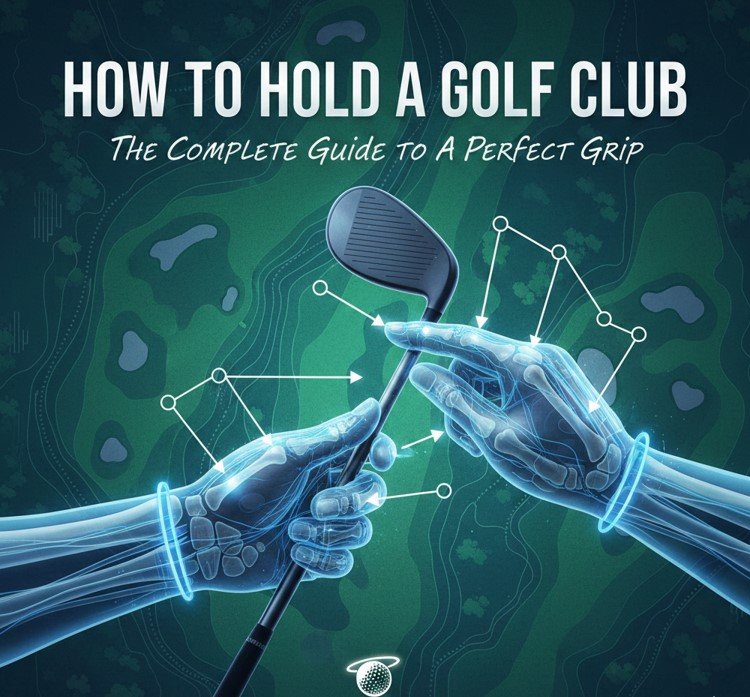
Learning how to hold a golf club is the single most important fundamental in golf. Your grip is the only connection between your body and the club, influencing clubface control, swing path, power transfer, and consistency. Tour-level ball striking and beginner confidence both start with a correct grip. In fact, PGA teaching data consistently shows that over 70% of swing faults originate from grip issues, not the swing itself.
This comprehensive guide explains how to hold a golf club correctly for every golfer—right-handed or left-handed, beginner or advanced—and for different goals such as power, control, and driver performance. You’ll learn professional techniques, common mistakes, and actionable checkpoints to build a reliable grip you can trust on the course.
Why the Golf Grip Matters More Than You Think
Before addressing specific methods, it’s crucial to understand why grip fundamentals matter so much. A correct grip:
- Squares the clubface at impact
- Controls shot shape (draws, fades, straight shots)
- Prevents excessive hand tension
- Improves distance without extra effort
- Reduces injury risk in wrists and elbows
The grip does not create power by squeezing harder—it creates power by allowing efficient energy transfer through relaxed control.
Also Read:- How to Hang Curtains: A Complete Step-by-Step Guide for Every Space
How to Hold a Golf Club Correctly
Definition and Core Concept
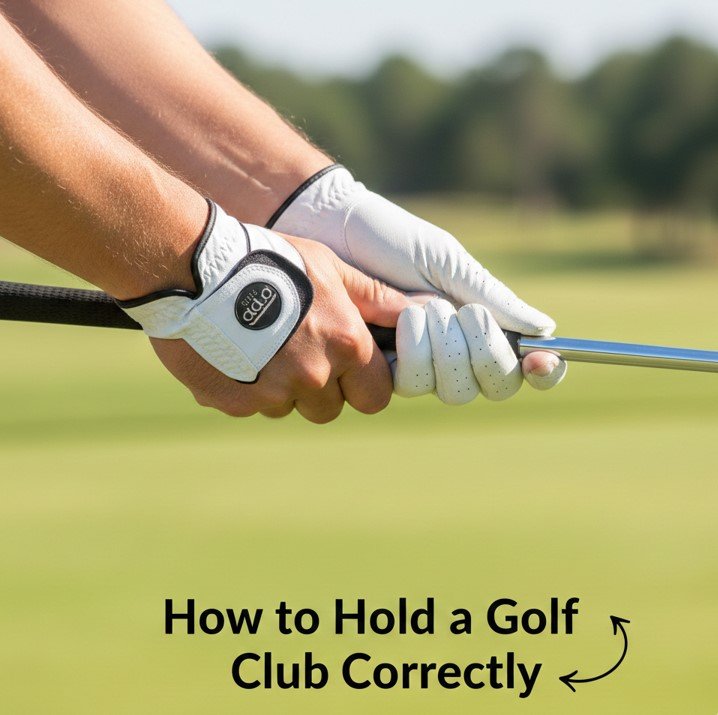
Holding a golf club correctly means positioning both hands so the club sits diagonally across the fingers—not the palms—while keeping the wrists mobile and the clubface naturally square.
Key Fundamentals Explained
• Grip Placement Across the Fingers
The handle should run from the base of the little finger to the middle of the index finger. This finger-based placement allows proper wrist hinge and prevents flipping through impact.
• Neutral Hand Position
A neutral grip shows two to three knuckles on the lead hand (left for right-handed players). This promotes straight ball flight and consistent contact.
• Thumb Alignment
The lead thumb rests slightly right of center on the grip shaft, providing support without tension.
• Pressure Balance
Grip pressure should feel like holding a tube of toothpaste—firm enough not to drop it, soft enough not to squeeze it out.
• Clubface Awareness
Correct grip alignment naturally squares the face, reducing compensation during the swing.
• Consistency Check
Every shot should begin with the same grip routine to build muscle memory.
Also Read:- How to Become a Travel Agent – The Complete Career Guide
How to Hold a Golf Club for Beginners
Definition and Learning Focus
For beginners, learning how to hold a golf club properly is about simplicity, comfort, and repeatability rather than complexity.
Beginner-Friendly Techniques
• Start with a Neutral Grip
Avoid strong or weak extremes until fundamentals are consistent.
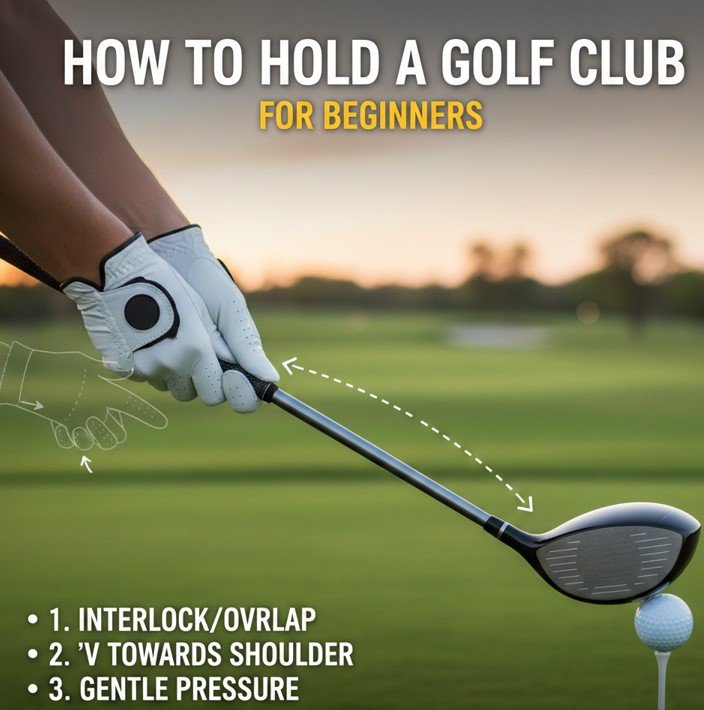
• Use the Overlap Grip
The Vardon overlap grip is easiest for most beginners and widely taught.
• Relax the Hands
Tension restricts swing speed and rhythm.
• Consistent Setup Routine
Grip the club before stepping into the ball to maintain consistency.
• Mirror Practice
Visual confirmation speeds learning and correction.
• Instructor Feedback Early
Correcting grip habits early prevents long-term issues.
Also Read:- How to Clean Fruit: The Complete, Science-Backed Guide for Safe Eating
How to Hold a Golf Club Right Handed
Definition and Orientation
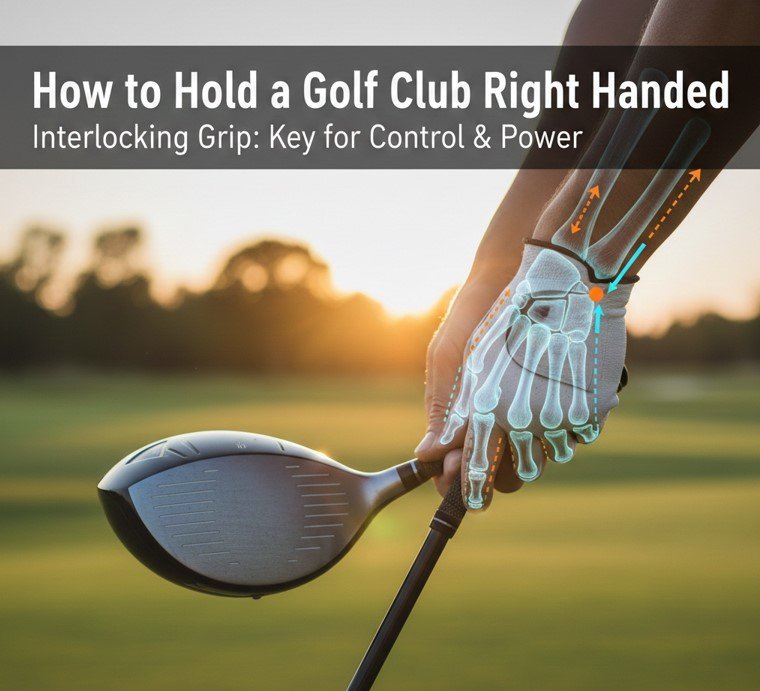
Right-handed golfers lead with the left hand and support with the right hand.
Right-Handed Grip Breakdown
• Left Hand Placement
The grip runs diagonally across the fingers, with the thumb pointing slightly right of center.
• Knuckle Visibility
Two to three knuckles visible when looking down.
• Right Hand Support Role
The right hand sits below, palm facing the target, cradling the club.
• “V” Alignment
Both hands form a “V” pointing toward the right shoulder.
• Finger Interlock or Overlap
Choose what feels stable without tension.
• Wrist Mobility
Correct grip allows natural hinge and release.
Also Read:- How to Apply Eyeliner: The Complete Expert Guide for Flawless Definition
How to Hold a Golf Club Left Handed
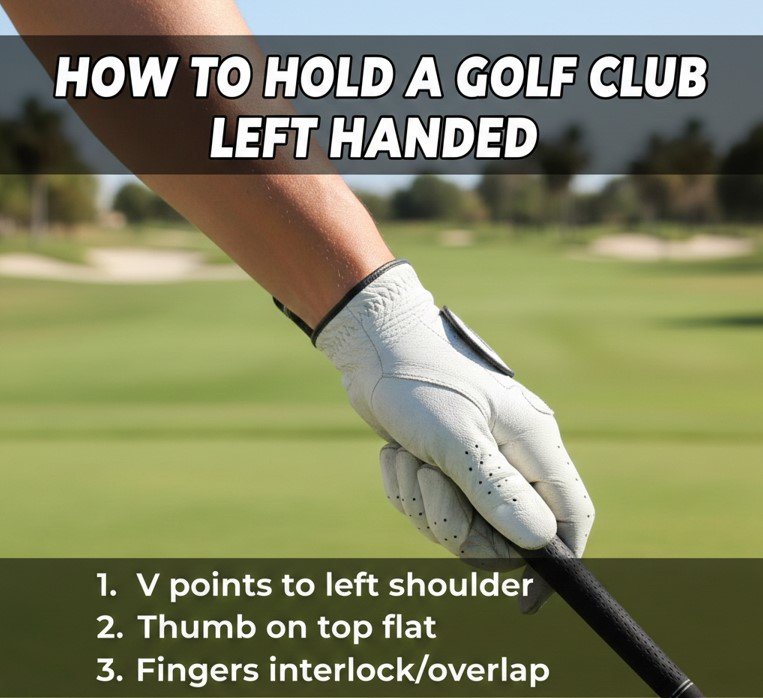
Definition and Mirror Image
Left-handed golfers reverse hand roles, leading with the right hand.
Left-Handed Grip Essentials
• Right Hand Dominance
The right hand controls clubface orientation.
• Knuckle Check
Two to three knuckles visible on the right hand.
• Left Hand Support
The left hand stabilizes without overpowering.
• Matching “V” Shapes
Both Vs point toward the left shoulder.
• Symmetry Awareness
Grip fundamentals remain identical, just mirrored.
• Comfort Over Force
Avoid squeezing to generate power.
Also Read:- How to Become a Firefighter: A Complete Career Roadmap
How to Hold a Golf Club Like a Pro
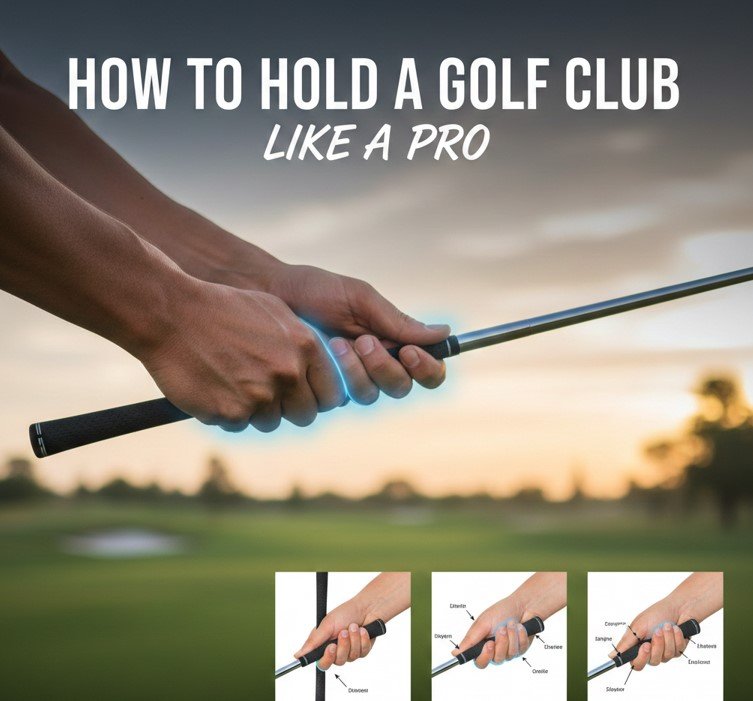
Definition and Tour-Level Precision
Professional grips prioritize efficiency, repeatability, and feel rather than brute strength.
Pro-Level Grip Traits
• Neutral Bias
Most tour players use neutral grips for versatility.
• Light Grip Pressure
Allows faster clubhead speed.
• Consistent Hand Depth
Hands are placed identically every swing.
• Grip Matching Swing Style
Grip complements—not fixes—the swing.
• Minimal Adjustments
Pros rarely change grips mid-round.
• Trust and Simplicity
Confidence comes from consistency.
Also Read:- How to Stop a Runny Nose: A Complete, Practical Relief Guide
How to Hold a Golf Club for Power
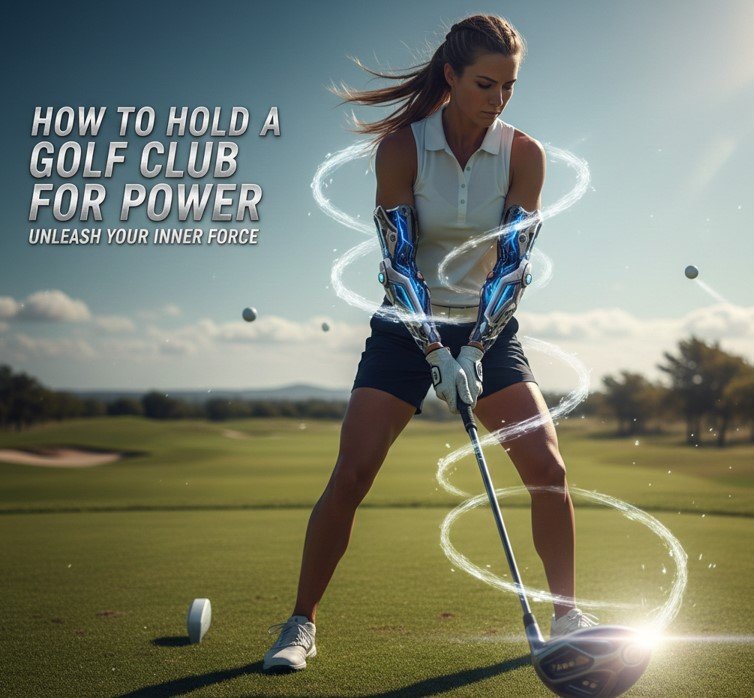
Definition and Power Transfer
Power comes from proper leverage, not tighter grip pressure.
Power-Focused Grip Techniques
• Finger-Based Grip
Maximizes wrist hinge and release.
• Relaxed Forearms
Allows faster swing speed.
• Correct Lead-Hand Control
Prevents clubface flipping.
• Balanced Pressure
No single finger dominates.
• Grip Size Fit
Correct grip diameter improves power output.
• Efficient Energy Flow
Proper grip lets the body generate speed.
Also Read : How to Clean Oven: The Complete, Safe, and Effective Guide for a Spotless Kitchen
How to Hold a Golf Club Driver
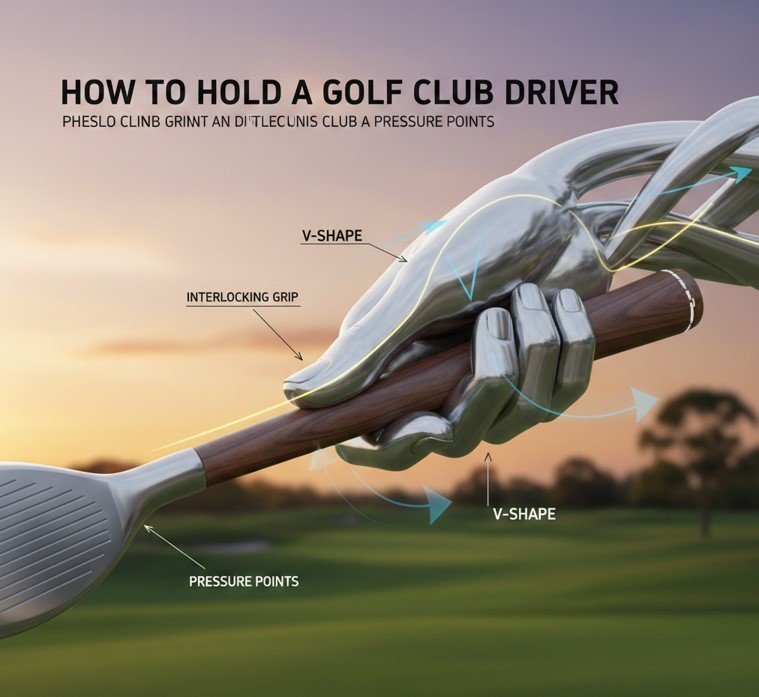
Definition and Driver-Specific Needs
The driver swing emphasizes speed, stability, and a square clubface at high velocity.
Driver Grip Adjustments
• Slightly Stronger Lead Hand
Helps control face at impact.
• Light Pressure
Encourages maximum clubhead speed.
• Consistent Thumb Placement
Stabilizes the long shaft.
• Neutral Trail Hand
Prevents excessive rotation.
• Pre-Shot Checkpoint
Grip before stance for consistency.
• Avoid Over-Gripping
Tension reduces distance.
Also Read:- How to Change AirTag Battery: The Complete Step-by-Step Guide for Every Situation
How to Hold a Golf Club and Swing Together
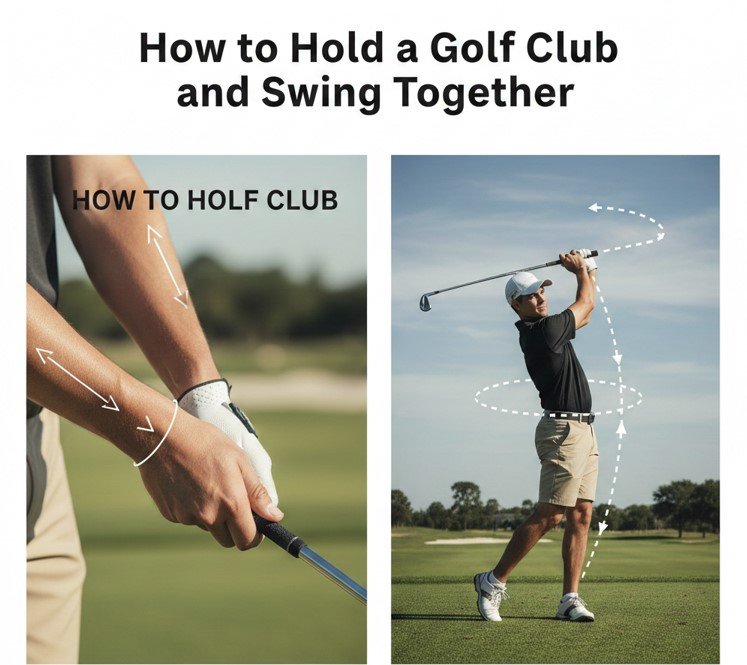
Definition and Grip-Swing Connection
The grip directly influences swing mechanics and impact position.
Grip-to-Swing Integration
• Grip Sets Clubface
Swing reacts to grip orientation.
• Neutral Grip Encourages Balance
Reduces compensations.
• Wrist Hinge Freedom
Improves timing.
• Square Impact Position
Grip controls face through the ball.
• Rhythm and Tempo
Relaxed grip improves flow.
• Consistency Across Clubs
Same grip fundamentals apply to all clubs.
Conclusion
Understanding how to hold a golf club correctly is the foundation of every great golf swing. Whether you’re a beginner building confidence or an experienced golfer refining performance, the right grip improves accuracy, distance, and consistency without extra effort. Focus on comfort, neutrality, and repeatability—and let the club work naturally.
FAQs
Should I grip the club tightly?
No. Light to moderate pressure produces better results.
Is one grip best for everyone?
No, but neutral grips work for most golfers.
How often should I check my grip?
Every practice session and before every round.
Visit For More Information Go To entrepreneurideas