
Learning how to become a firefighter is about more than choosing a job—it’s about committing to a life of service, discipline, physical endurance, and teamwork. Firefighters protect lives, property, and communities during emergencies ranging from structure fires and wildfires to medical incidents, hazardous materials exposure, and natural disasters.
Firefighting is a highly respected profession with strong public trust, competitive benefits, and long-term career stability. However, it is also physically demanding, mentally challenging, and selective. Many departments accept only a small percentage of applicants, making preparation and knowledge essential.
This in-depth guide explains how to become a firefighter step by step, including education requirements, physical training, certifications, hiring processes, and state-specific pathways in California, Texas, Michigan, and Florida. Whether you are just graduating, changing careers, or starting with no experience, this article provides realistic, actionable guidance.
What Does a Firefighter Do? Understanding the Role Fully
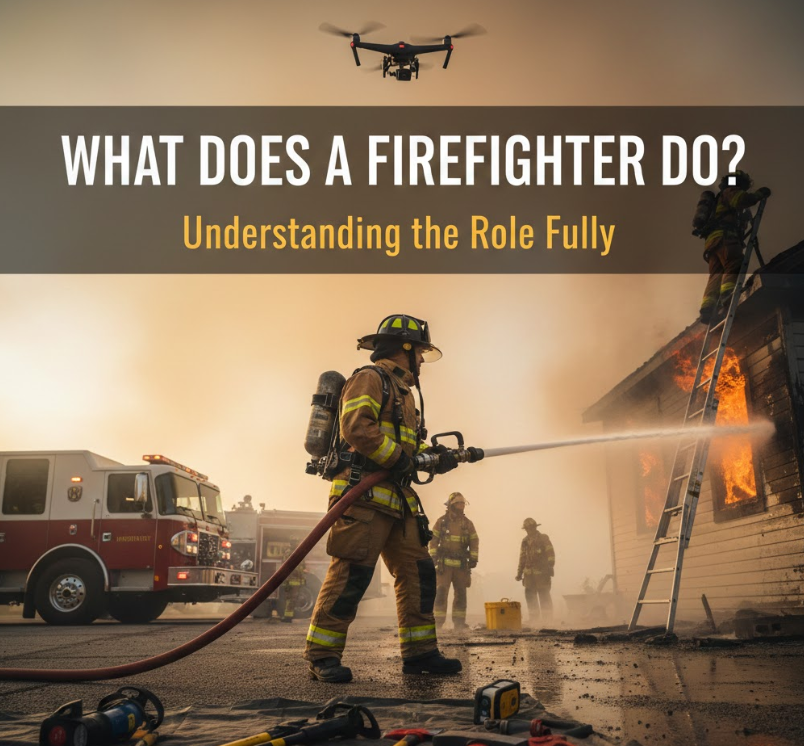
Before deciding how to become a firefighter, it’s critical to understand what the job truly involves beyond what is shown in movies or TV shows. Modern firefighters are highly trained emergency responders with diverse responsibilities.
Firefighters respond to fires, medical emergencies, vehicle accidents, hazardous material incidents, rescues, and natural disasters. They operate complex equipment, perform lifesaving medical care, educate the public, and maintain readiness through constant training.
Core Responsibilities of Firefighters
• Fire Suppression and Control
Firefighters extinguish structural, vehicle, industrial, and wildland fires using specialized techniques and equipment while prioritizing life safety.
• Emergency Medical Response
Most firefighters are trained as EMTs or paramedics and provide critical pre-hospital medical care.
• Rescue Operations
They perform high-risk rescues involving vehicles, water, heights, confined spaces, and collapsed structures.
• Hazardous Materials Handling
Firefighters identify, isolate, and mitigate chemical, biological, and environmental hazards.
• Public Education and Prevention
They teach fire safety, conduct inspections, and promote community preparedness.
• Equipment Maintenance and Training
Daily drills and equipment checks ensure constant readiness.
Understanding these responsibilities helps determine whether this career aligns with your strengths and values.
Also Read : How to Stop a Runny Nose: A Complete, Practical Relief Guide
Basic Requirements to Become a Firefighter
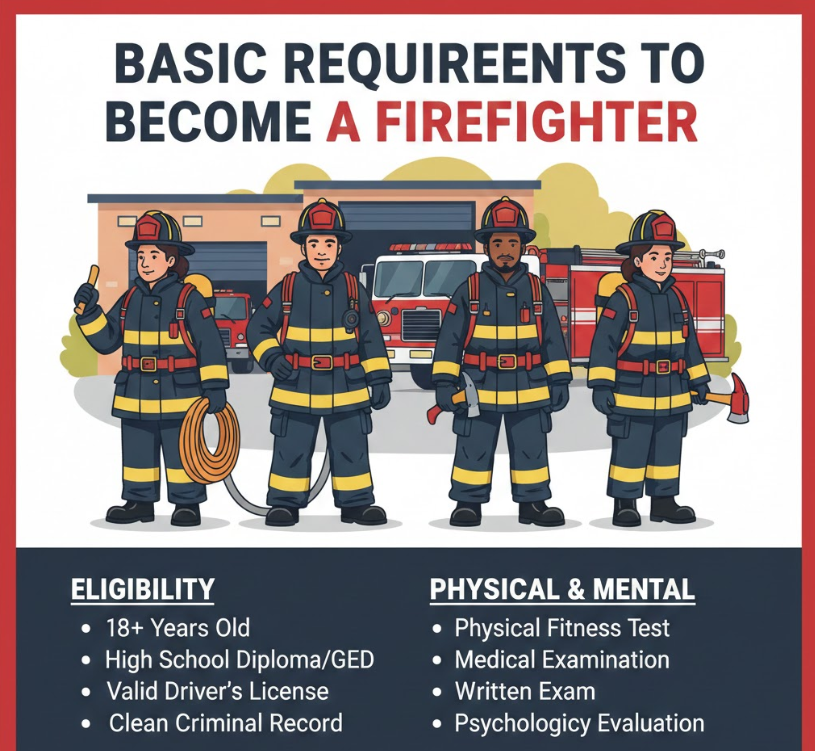
Anyone researching how to become a firefighter must first meet baseline eligibility requirements. While specifics vary by department, most follow similar standards nationwide.
Common Firefighter Eligibility Criteria
• Minimum Age Requirement
Most departments require applicants to be at least 18, some 21.
• High School Diploma or GED
Basic education is mandatory for entry-level roles.
• Valid Driver’s License
Emergency vehicle operation requires a clean driving record.
• Physical Fitness Standards
Candidates must pass rigorous physical ability tests.
• Background Check
Criminal history, drug screening, and character evaluation are standard.
• Medical and Psychological Exams
Ensures candidates can safely perform under stress.
Meeting these requirements is only the starting point, not a guarantee of hiring.
Also Read : How to Clean Oven: The Complete, Safe, and Effective Guide for a Spotless Kitchen
How to Become a Firefighter With No Experience
Many applicants wonder how to become a firefighter with no experience. The truth is that most firefighters start with little or no direct fire service background.
Departments focus on trainability, attitude, fitness, and commitment, not just prior experience.
Starting From Zero: A Practical Path
• Enroll in Fire Science or EMT Training
Entry-level education builds foundational knowledge.
• Volunteer Fire Departments
Volunteering provides hands-on exposure and networking.
• Earn EMT Certification Early
Medical training significantly improves hiring chances.
• Develop Physical Conditioning
Strength, endurance, and stamina are essential.
• Study for Written Exams
Firefighter entrance exams test math, reading, and judgment.
• Build Professional References
Character matters as much as skills.
With consistency, candidates without experience often outperform those with unfocused backgrounds.
Also Read:- How to Change AirTag Battery: The Complete Step-by-Step Guide for Every Situation
Firefighter Training and Education Explained
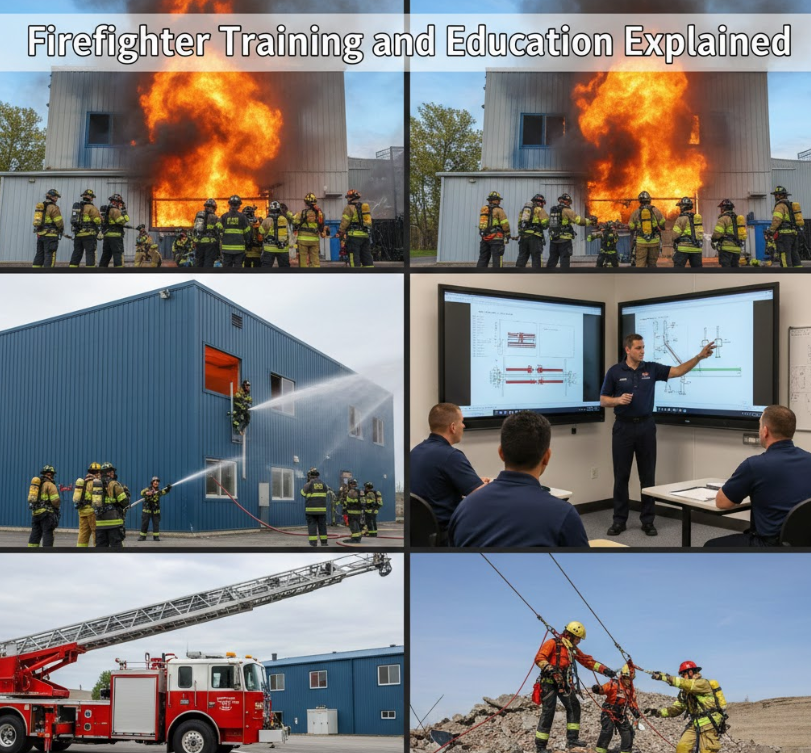
Education is a core component of how to become a firefighter. Training combines classroom learning, physical drills, and real-world simulations.
Types of Firefighter Education
• Fire Academy Training
Mandatory training covering fire behavior, tactics, safety, and equipment.
• Emergency Medical Training
EMT or paramedic certification is often required.
• Fire Science Degree (Optional)
Improves promotion opportunities and technical understanding.
• Hazmat Awareness and Operations
Required for modern emergency response.
• Rescue and Technical Skills
Includes rope rescue, vehicle extrication, and water rescue.
• Continuing Education
Ongoing training ensures compliance and advancement.
Training is physically intense and mentally demanding but builds professional confidence.
Also Read:- How to Remove a Stripped Screw: The Complete Expert Guide
How to Become a Firefighter in California
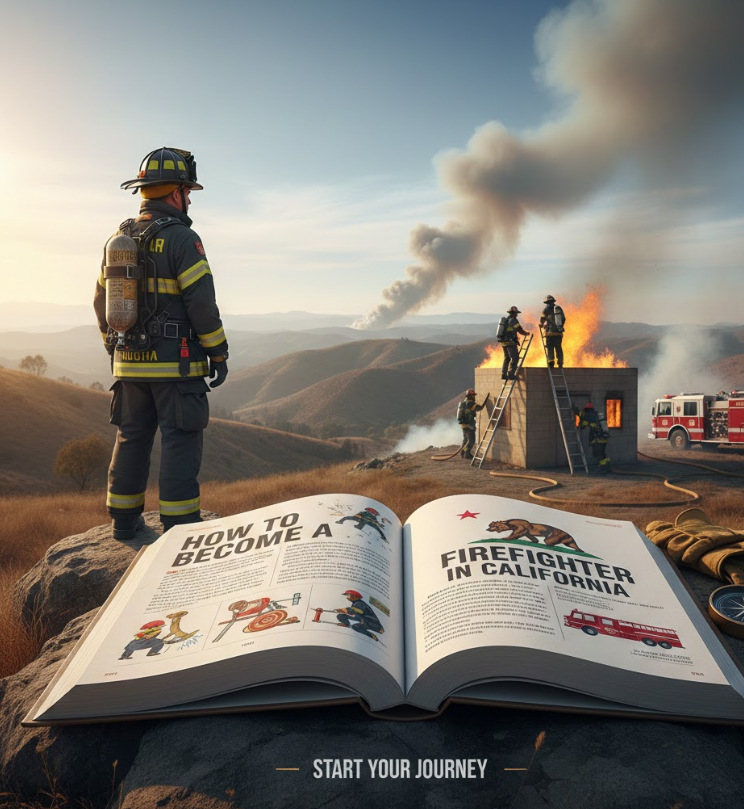
Understanding how to become a firefighter in California requires navigating one of the most competitive systems in the country due to wildfire risks and population density.
California firefighters often work for city departments, Cal Fire, or federal agencies.
California-Specific Requirements
• State Fire Marshal Certifications
California mandates specific certification pathways.
• EMT Certification is Essential
Almost all departments require EMT-B at minimum.
• Wildland Fire Training
Wildfire response is a major component.
• Physical Ability Testing (CPAT)
Standardized testing ensures readiness.
• Civil Service Exams
Competitive written testing process.
• Strong Competition
Advanced preparation is critical.
California rewards commitment with strong pay, benefits, and career mobility.
Also Read:- How Long to Boil Chicken Breast: The Complete Cooking Guide for Juicy, Safe, and Perfect Results
How to Become a Firefighter in Texas
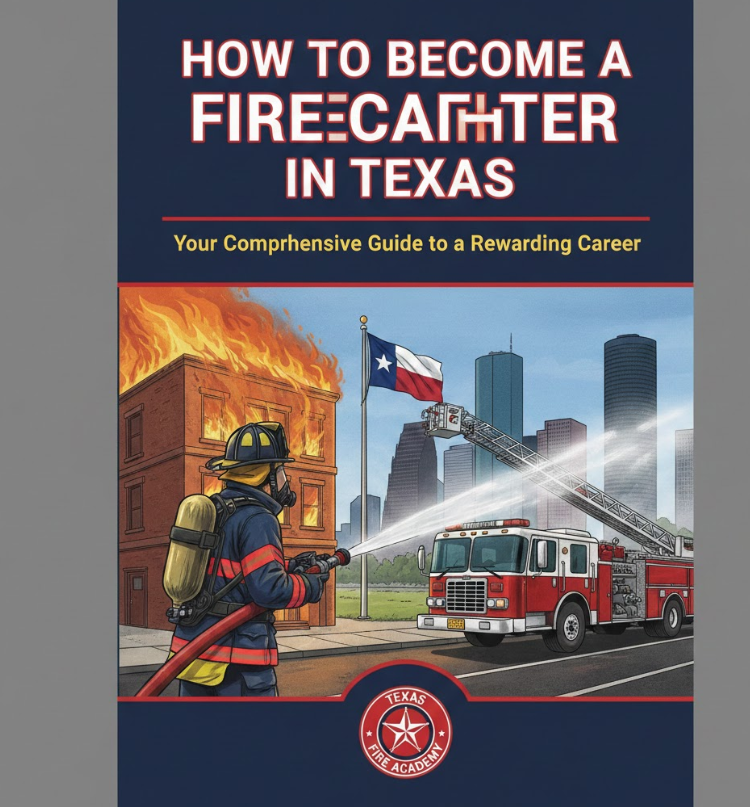
Those exploring how to become a firefighter in Texas benefit from a wide range of departments and training routes.
Texas offers municipal, volunteer, industrial, and wildland firefighting roles.
Texas Firefighter Pathway
• Texas Commission on Fire Protection (TCFP)
Governs firefighter certification.
• Fire Academy Enrollment
TCFP-approved academies are required.
• EMT or Paramedic Advantage
Medical training improves hiring odds.
• Local Department Hiring Processes
Each city sets its own exams and interviews.
• Physical Readiness Testing
Strength and endurance standards apply.
• Opportunities for Advancement
Texas offers diverse career options.
Texas is considered one of the most accessible states for new firefighters.
Also Read:- How to Use a Compass: A Complete Guide for Beginners and Kids
How to Become a Firefighter in Michigan
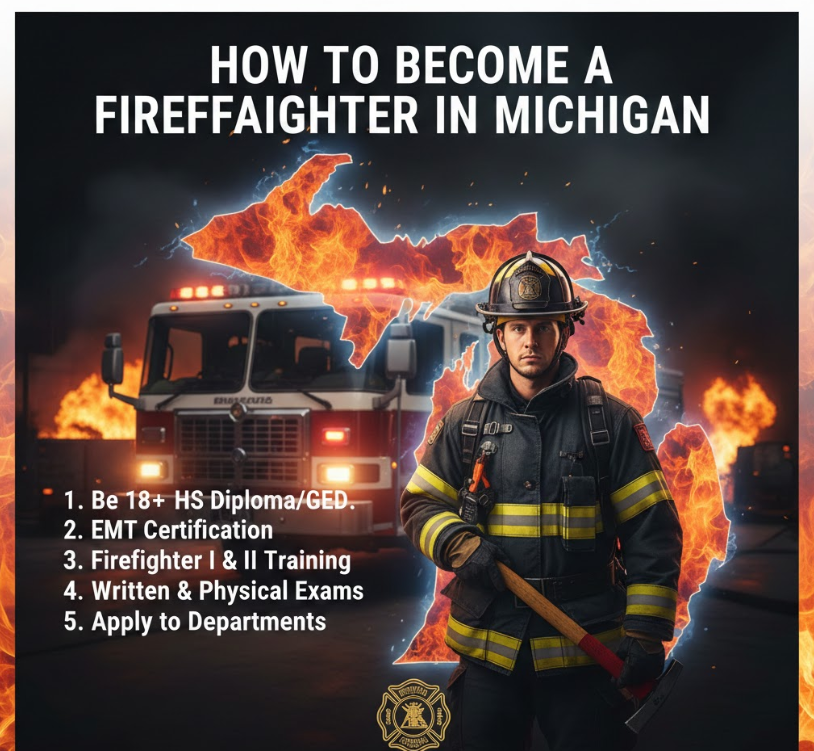
Learning how to become a firefighter in Michigan involves understanding local government hiring systems and state certifications.
Michigan Firefighter Requirements
• Michigan Fire Fighters Training Council (MFFTC)
Certifies firefighter levels.
• EMT Training Strongly Recommended
Often required for career positions.
• Civil Service Testing
Common in larger cities.
• Volunteer Experience Advantage
Highly valued by departments.
• Physical and Medical Exams
Strict fitness and health standards.
• Cold-Weather Operations Training
Michigan firefighters must handle extreme weather.
Michigan departments emphasize reliability, teamwork, and adaptability.
Also Read:- How to Quit a Job: A Complete Guide to Leaving Gracefully
How to Become a Firefighter in Florida
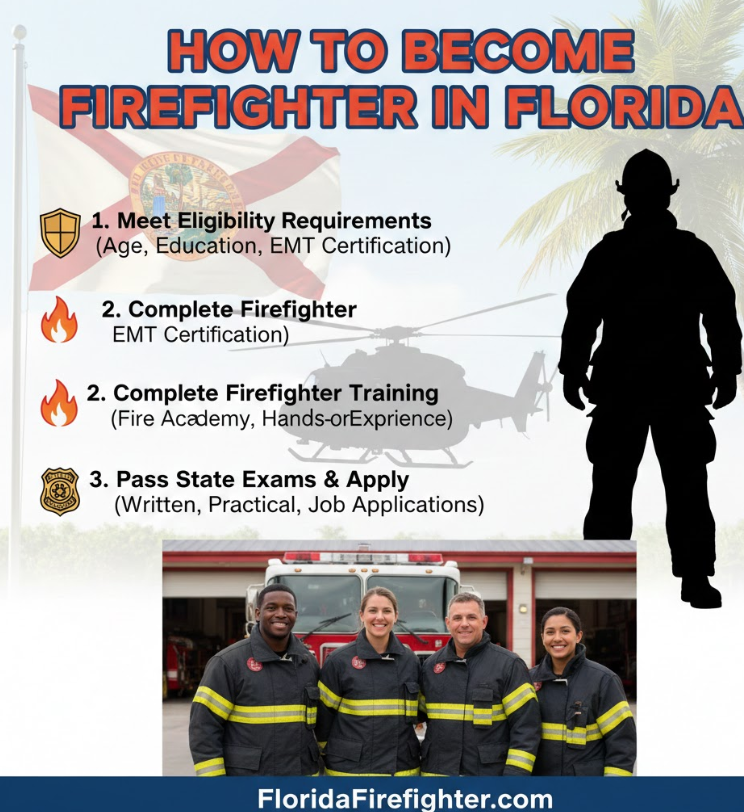
For those researching how to become a firefighter in Florida, the process is shaped by coastal risks, hurricanes, and urban growth.
Florida Firefighter Pathway
• Florida State Fire College Certification
Mandatory training requirements.
• EMT Certification Required
Medical response is a core duty.
• Firefighter Minimum Standards Course
Combines fire and medical training.
• Physical Ability and Swim Tests
Reflect water-rescue needs.
• Hurricane and Disaster Response Training
Unique to Florida’s environment.
• Competitive Hiring Market
Preparation is key.
Florida firefighters receive strong disaster-response training and job stability.
Also Read:- How to Fix a Running Toilet: A Complete Step-by-Step Guide
Physical Fitness and CPAT Preparation
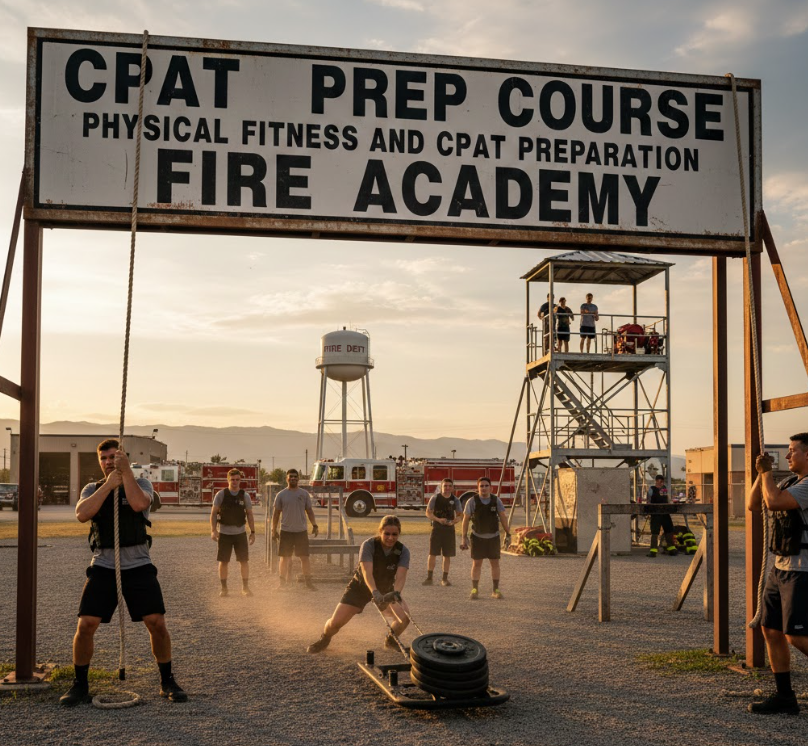
Physical readiness is non-negotiable when learning how to become a firefighter. The Candidate Physical Ability Test (CPAT) measures real-world job demands.
Fitness Preparation Areas
• Cardiovascular Endurance
Stair climbs, hose drags, and rescues require stamina.
• Upper-Body Strength
Essential for ladders, tools, and rescues.
• Core Stability
Prevents injury during heavy lifting.
• Heat Tolerance
Firefighting occurs in extreme temperatures.
• Mental Endurance
Stress management is critical.
• Consistency Over Intensity
Long-term conditioning prevents burnout.
Fitness is one of the most common reasons applicants fail—training early matters.
Also Read:- How to Get Rid of Drain Flies: Complete Expert Guide
Conclusion
Understanding how to become a firefighter requires commitment, preparation, and a clear understanding of the profession’s demands. Firefighting is not just a job—it is a calling built on courage, teamwork, and service.
Whether you are starting with no experience or pursuing state-specific pathways in California, Texas, Michigan, or Florida, success comes from physical readiness, education, and persistence. With the right preparation, dedication, and mindset, a rewarding career in fire service is achievable.
FAQs
How long does it take to become a firefighter?
Typically 1–3 years depending on training and hiring timelines.
Do firefighters make good money?
Yes, especially with experience, overtime, and certifications.
Is firefighting dangerous?
Yes, but modern training and equipment significantly reduce risk.
Visit For More Information Go To entrepreneurideas