

Knowing how to clean oven correctly is one of the most important—but often delayed—home maintenance tasks. Ovens accumulate baked-on grease, food spills, and carbonized residue that not only affect cooking performance but can also release smoke, unpleasant odors, and even harmful fumes when heated. According to the U.S. Environmental Protection Agency (EPA), dirty ovens can contribute to poor indoor air quality, especially when chemical cleaners are misused.
Beyond hygiene, a clean oven ensures even heat distribution, better food flavor, and longer appliance lifespan. Grease buildup can interfere with temperature sensors, increase energy consumption, and in extreme cases become a fire hazard. Learning safe, effective, and repeatable methods—especially natural ones—helps you clean confidently without damaging surfaces or risking health.
This comprehensive guide explains how to clean oven interiors, racks, glass, windows, and grates, including no-scrub methods, vinegar cleaning, lemon steam cleaning, and professional-level tips for deep cleaning.
Understanding Your Oven Before Cleaning
Before learning how to clean oven surfaces, it’s essential to understand what type of oven you have and how its materials react to cleaning agents.
Most household ovens are either conventional gas, electric, or self-cleaning models. Interior coatings are usually porcelain enamel, while oven glass is tempered for heat resistance. Using abrasive tools or harsh chemicals can permanently scratch surfaces, weaken seals, or cloud glass.
Why Oven Type and Materials Matter
• Determines which cleaners are safe
• Affects how grease bonds to surfaces
• Influences cleaning frequency
• Prevents surface etching or discoloration
• Protects heating elements and seals
• Ensures manufacturer warranty compliance
How to Clean Oven Step by Step (Interior Cleaning)
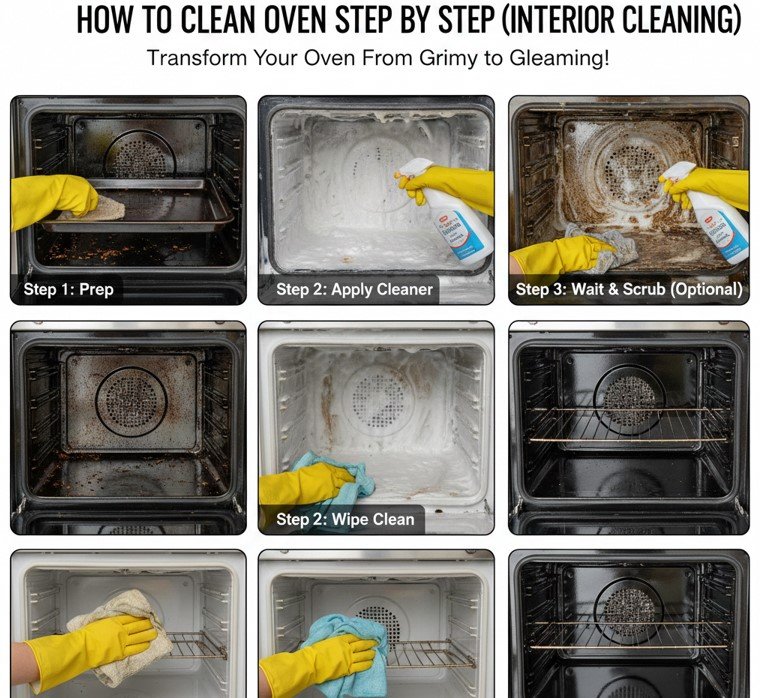
Definition and Core Cleaning Principle
Learning how to clean oven interiors properly involves loosening baked-on residue first, then gently removing it without damaging surfaces.
Step-by-Step Oven Interior Cleaning
• Remove Racks and Loose Debris
Take out racks and brush away crumbs to prevent smearing grease.
• Create a Cleaning Paste
Mix baking soda and water into a thick paste to break down carbon buildup.
• Apply Paste to Interior Surfaces
Avoid heating elements and vents.
• Let Sit for 8–12 Hours
Time allows alkaline reaction to soften residue.
• Wipe with Damp Cloth
Remove loosened grime gently.
• Neutralize with Vinegar Spray
Foaming reaction lifts remaining residue.
Also Read:- How to Change AirTag Battery: The Complete Step-by-Step Guide for Every Situation
How to Clean Oven Without Scrubbing
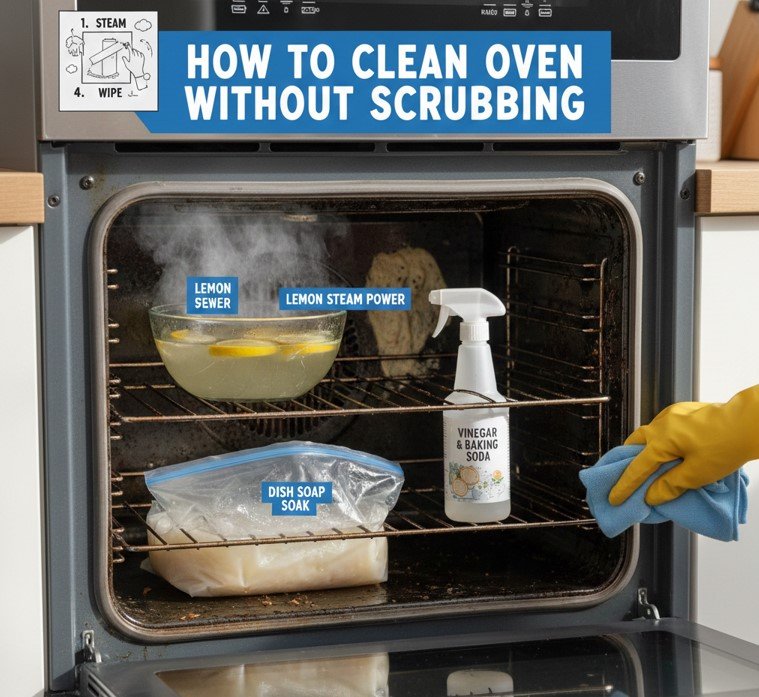
Why No-Scrub Methods Work
No-scrub cleaning relies on chemical softening, not force, reducing surface damage and effort.
Effective No-Scrub Techniques
• Baking Soda Overnight Method
Softens grease without abrasion.
• Steam Cleaning with Heat
Moisture loosens stuck-on residue.
• Vinegar Neutralization
Breaks down alkaline buildup.
• Microfiber Wiping
Captures residue without scratching.
• Repeated Gentle Passes
Prevents surface wear.
• Preventive Maintenance
Light cleaning reduces future scrubbing.
Also Read:- How to Remove a Stripped Screw: The Complete Expert Guide
How to Clean Oven with Vinegar
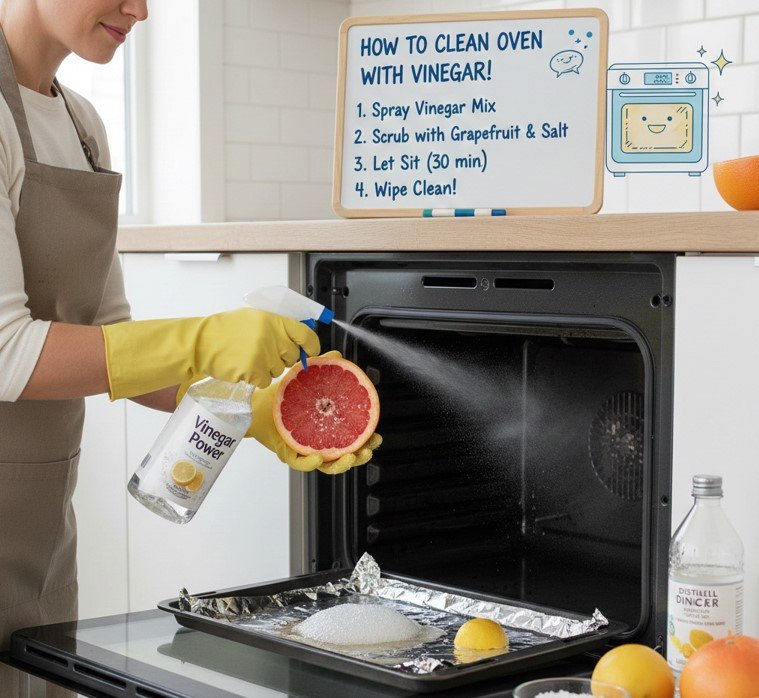
Why Vinegar Is Effective
Vinegar’s acetic acid dissolves grease and neutralizes alkaline residues safely.
Vinegar Cleaning Method
• Dilute White Vinegar with Water
Prevents surface etching.
• Spray Interior After Baking Soda
Creates foaming action.
• Focus on Greasy Zones
Door edges and corners collect residue.
• Wipe with Soft Cloth
Avoid steel wool or abrasives.
• Repeat if Necessary
Heavy buildup may need multiple passes.
• Ventilate the Area
Improves comfort during cleaning.
Also Read:- How Long to Boil Chicken Breast: The Complete Cooking Guide for Juicy, Safe, and Perfect Results
How to Clean Oven with Lemon
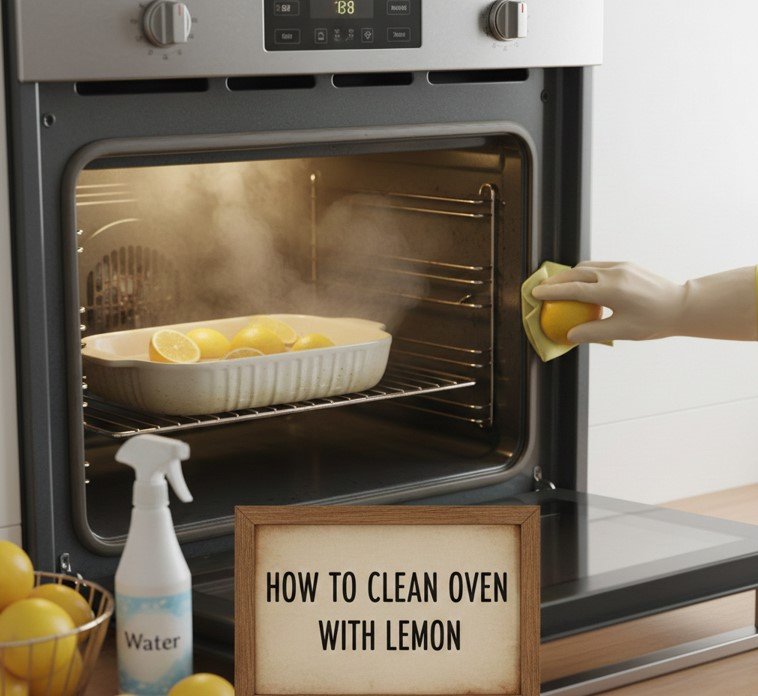
Why Lemon Is a Natural Cleaner
Lemon contains citric acid, which cuts grease while leaving a fresh scent.
Lemon Steam Cleaning Steps
• Slice Two Lemons and Place in Water
Use oven-safe dish.
• Heat at 250°F (120°C) for 30 Minutes
Steam loosens residue.
• Let Oven Cool Slightly
Avoid burns.
• Wipe Interior Surfaces
Grime lifts easily.
• Focus on Glass and Door
Steam is especially effective here.
• Repeat Monthly for Maintenance
Prevents buildup.
Also Read:- How to Use a Compass: A Complete Guide for Beginners and Kids
How to Clean Oven Racks
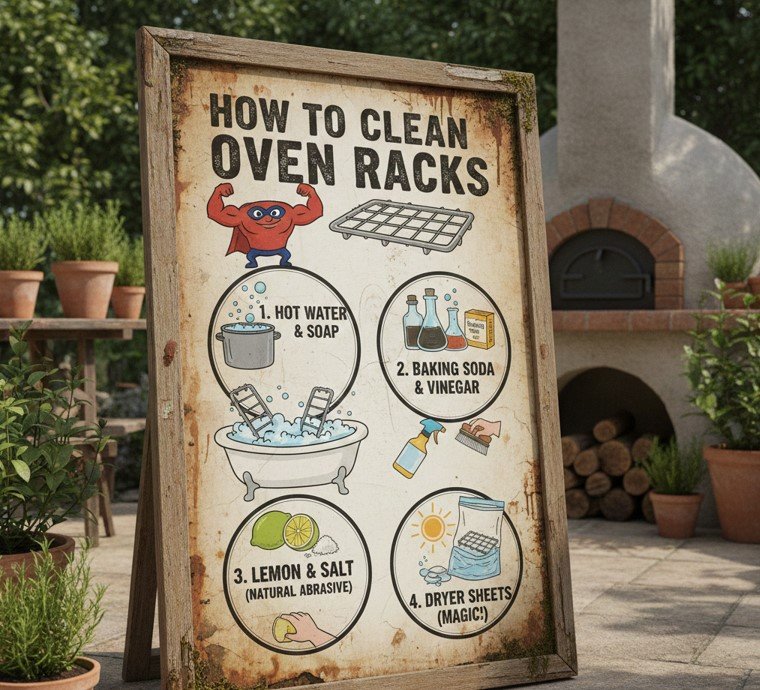
Why Oven Racks Need Separate Cleaning
Racks accumulate thick grease layers that require soaking rather than surface wiping.
Oven Rack Cleaning Methods
• Bathtub Soak with Baking Soda
Softens grease effectively.
• Add Vinegar for Reaction
Enhances breakdown.
• Soak 8–12 Hours
Minimal scrubbing required.
• Use Non-Scratch Sponge
Protects rack finish.
• Rinse Thoroughly
Removes residue.
• Dry Completely Before Reinstalling
Prevents rust.
Also Read:- How to Quit a Job: A Complete Guide to Leaving Gracefully
How to Clean Oven Grates
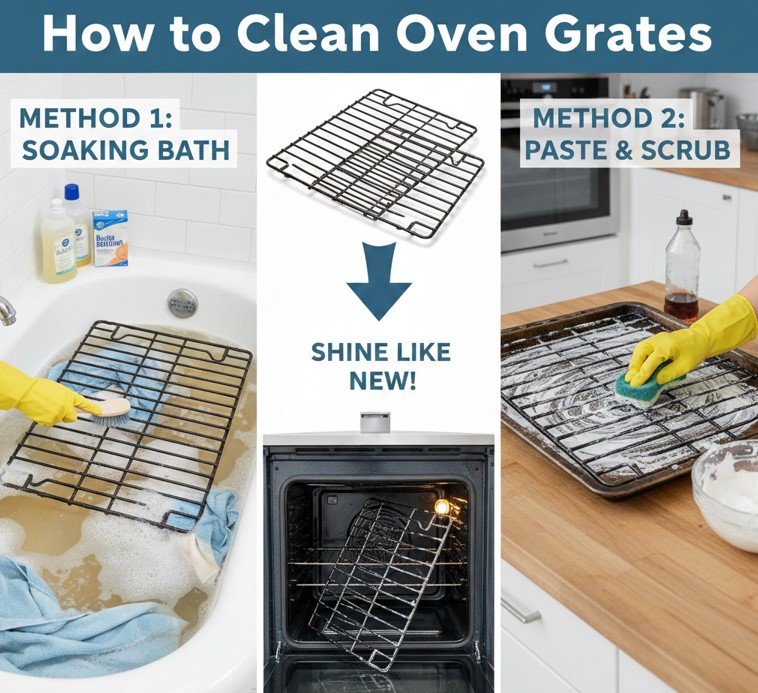
What Makes Grates Different
Grates often have thicker, baked-on carbon requiring deeper soaking.
Grate Cleaning Best Practices
• Use Hot Water Soak
Heat accelerates grease breakdown.
• Add Degreasing Agent
Dish soap or baking soda works well.
• Avoid Harsh Chemicals
Preserves coating.
• Brush with Nylon Brush
Effective yet gentle.
• Rinse and Inspect
Repeat if residue remains.
• Dry Fully Before Use
Prevents corrosion.
Also Read:- How to Fix a Running Toilet: A Complete Step-by-Step Guide
How to Clean Oven Glass (Inside and Outside)
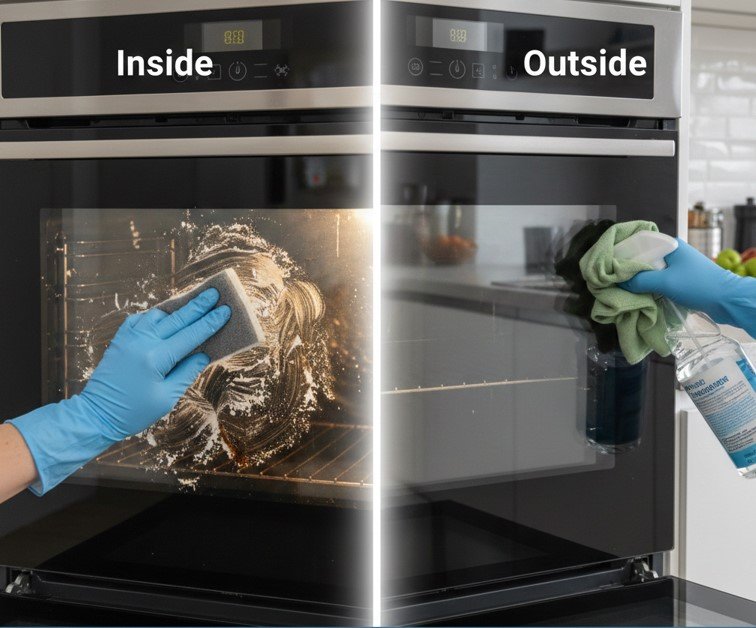
Why Oven Glass Gets Cloudy
Grease vapors and food splatter bake onto glass, creating haze.
Oven Glass Cleaning Method
• Apply Baking Soda Paste
Safe for tempered glass.
• Let Sit 20–30 Minutes
Softens residue.
• Use Plastic Scraper Carefully
Avoid metal blades.
• Wipe with Damp Cloth
Removes loosened grime.
• Finish with Vinegar Spray
Restores clarity.
• Buff Dry with Microfiber
Prevents streaks.
Also Read:- How to Get Rid of Drain Flies: Complete Expert Guide
How to Clean Oven Window
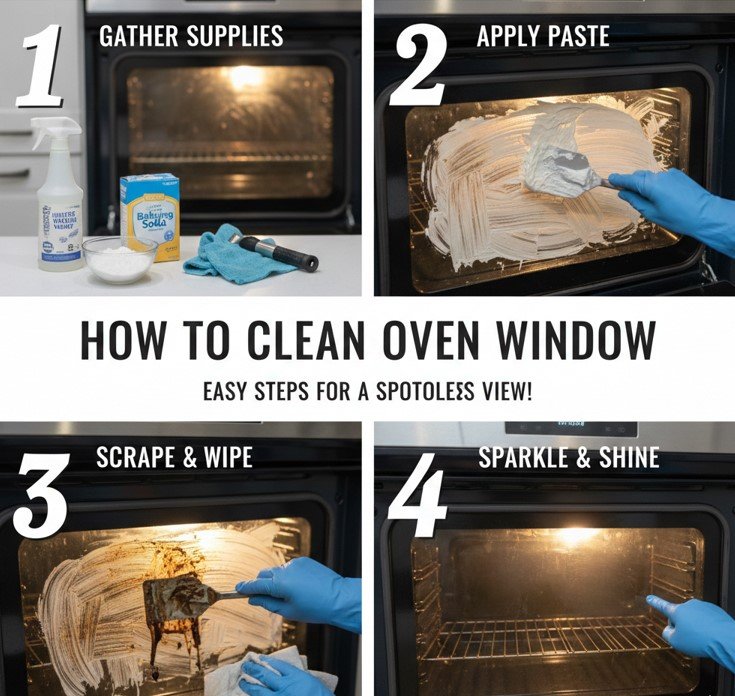
Oven Window vs Door Glass
The oven window refers to the visible glass panel, often layered.
Window Cleaning Tips
• Clean Only Accessible Surfaces
Avoid dismantling unless necessary.
• Use Non-Ammonia Cleaners
Protects seals.
• Avoid Excess Moisture
Prevents seepage.
• Clean During Cool State
Reduces streaking.
• Use Soft Cloths Only
Protects glass coating.
• Inspect Seals After Cleaning
Ensure proper insulation.
Also Read:- How to Endorse a Check: The Complete Step-by-Step Guide
How Often Should You Clean Your Oven?

Recommended Cleaning Frequency
• Light wipe-down: Weekly
• Interior deep clean: Every 2–3 months
• Racks and grates: Every 3–6 months
• Glass: Monthly
• After major spills: Immediately
• Self-clean models: As per manufacturer
Common Oven Cleaning Mistakes to Avoid
Errors That Damage Ovens
• Using abrasive pads
• Spraying cleaner on heating elements
• Mixing chemicals
• Ignoring ventilation
• Cleaning while hot
• Skipping rinse steps
Also Read:- How to Make Oobleck: The Complete Science-Backed Guide for Kids and Adults
Conclusion
Learning how to clean oven properly transforms a dreaded chore into a manageable, even satisfying task. With the right techniques—whether natural methods like vinegar and lemon, no-scrub strategies, or targeted cleaning for racks and glass—you protect your appliance, improve cooking results, and maintain a healthier home.
FAQs
Is it safe to use the self-cleaning function?
Yes, but it produces high heat and fumes—ventilation is essential.
Can I clean oven with baking soda only?
Yes, for most routine cleaning.
How do I remove burnt smells after cleaning?
Wipe residue thoroughly and heat oven briefly with lemon water.
Visit For More Information Go To entrepreneurideas