

Quitting a job is a significant life decision that requires careful planning, consideration, and communication. Understanding how to quit a job properly is crucial for maintaining professionalism, preserving relationships, and ensuring a smooth transition to your next opportunity.
Whether you are leaving a role you just started, need to resign without notice, or want to handle the process via text, this guide provides step-by-step strategies, actionable advice, and expert insights to navigate the resignation process effectively.
Understanding the Decision to Quit a Job

Leaving a job can be emotional, stressful, and sometimes necessary for personal growth or career advancement. Before taking action, it’s important to fully understand your reasons for leaving and the potential impact on your career and financial situation. Knowing your motivations will help you communicate effectively with your employer and leave on a positive note.
. Identify Your Reasons for Leaving: Are you quitting due to lack of growth, poor management, low compensation, or personal reasons? Clarifying the why helps you explain your decision professionally.
. Assess Career Goals: Consider how this decision aligns with your long-term career objectives. Quitting without a plan can affect future job opportunities if not handled thoughtfully.
. Evaluate Financial Preparedness: Ensure you have savings or another job lined up, as resigning without a safety net can create stress and financial instability.
. Understand Legal or Contractual Obligations: Check your employment contract for notice periods, non-compete clauses, or other conditions before submitting your resignation.
. Consider Emotional Impact: Leaving a job can bring relief, guilt, or anxiety. Reflecting on the emotional consequences helps you prepare for professional conversations.
. Plan Your Exit Strategy: Develop a roadmap for notifying your employer, transferring responsibilities, and maintaining professional relationships to protect your reputation.
Also Read : How to Fix a Running Toilet: A Complete Step-by-Step Guide
How to Quit a Job You Just Started

Quitting a new job can feel awkward but sometimes is necessary if the role does not meet expectations or personal circumstances change. Handling it professionally ensures you leave without burning bridges.
. Be Honest but Diplomatic: Explain your reasons clearly but tactfully. You do not need to go into personal details but should avoid negativity about the company or colleagues.
. Communicate Quickly: Delaying resignation can create inconvenience for the employer. Informing your manager promptly is respectful and professional.
. Offer to Assist in Transition: Even if you’ve been at the job for a short time, offering to complete tasks or help with handover shows professionalism and goodwill.
. Prepare for Reactions: Employers may be disappointed or surprised. Stay calm, polite, and confident while explaining your decision.
. Document Your Resignation: A formal resignation letter is essential, even for short tenure, as it creates a record and maintains professionalism.
. Maintain Professional Relationships: Connect with colleagues on LinkedIn or share contact information to preserve networking opportunities for the future.
Also Read : How to Get Rid of Drain Flies: Complete Expert Guide
How to Quit a Job Without Notice

Sometimes, circumstances require quitting immediately without giving the standard two-week notice. While not ideal, it can be managed professionally to minimize negative impact.
. Assess the Necessity: Only quit without notice if it’s unavoidable, such as personal emergencies, unsafe work environments, or urgent health concerns.
. Communicate Clearly: Explain the situation honestly to your employer via phone or email. Acknowledge the inconvenience and apologize professionally.
. Offer Written Documentation: Provide a concise resignation letter stating the effective date, even if it’s immediate. Documentation is vital for HR records.
. Provide Transition Support: Suggest ways to transfer your responsibilities quickly or offer remote assistance if possible. This helps maintain goodwill.
. Understand Consequences: Be aware that leaving without notice may affect final pay, benefits, or references, and plan accordingly.
. Maintain Professional Tone: Avoid emotional or accusatory language. Remaining courteous and professional will protect your reputation.
Also Read : How to Endorse a Check: The Complete Step-by-Step Guide
How to Quit a Job Over Text
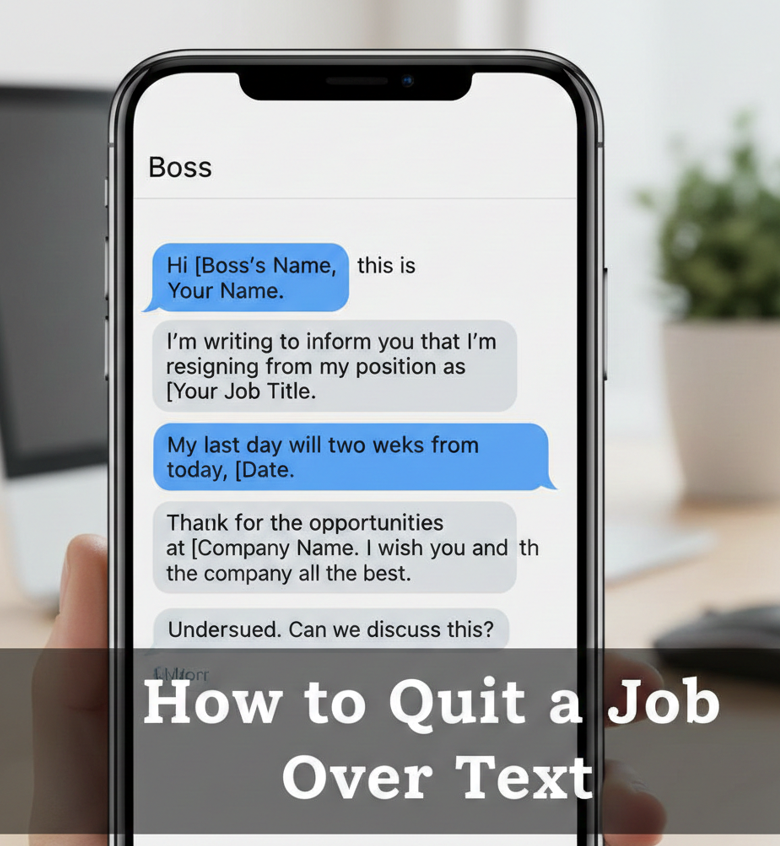
Quitting via text is generally discouraged, but in certain remote or urgent situations, it may be necessary. Doing it correctly ensures professionalism is preserved.
. Keep It Concise and Respectful: A brief message expressing gratitude and stating your intention to resign is essential. Avoid venting or lengthy explanations.
. Offer to Follow Up: Indicate your willingness to provide a formal resignation letter or discuss transition details in a call or email.
. Be Clear on Your Last Day: Specify your intended last working day to avoid confusion and assist HR with planning.
. Express Gratitude: Thank your employer for the opportunity and experience gained, which helps leave a positive impression.
. Avoid Emotional Language: Text can be misinterpreted. Maintain a professional, polite, and neutral tone.
. Prepare for Immediate Response: Managers may call or message you back quickly. Be ready to discuss next steps calmly and professionally.
Also Read : How to Make Oobleck: The Complete Science-Backed Guide for Kids and Adults
How to Quit a Job Professionally

Professional resignation reflects well on your character and helps maintain future career opportunities. Regardless of circumstances, handling the process with tact is essential.
. Submit a Formal Resignation Letter: Include your reason for leaving, last working day, and gratitude for the opportunity. A well-written letter is a record of professionalism.
. Schedule a Meeting: Notify your manager in person or via video call before sending the letter. Direct communication shows respect and maturity.
. Provide Adequate Notice: Follow standard notice periods (usually two weeks) unless circumstances dictate otherwise. Giving notice allows for a smoother transition.
. Offer to Train or Transfer Work: Assist colleagues in understanding your responsibilities to minimize disruption and leave on a positive note.
. Maintain Positive Relationships: Avoid negativity about the company, colleagues, or management. Strong relationships may help with references and networking.
. Reflect Professionally on Your Experience: During exit interviews or discussions, focus on constructive feedback and personal growth rather than complaints.
Also Read : How to Cancel Kindle Unlimited: The Complete Step-by-Step Guide
How to Quit a Job Through Text
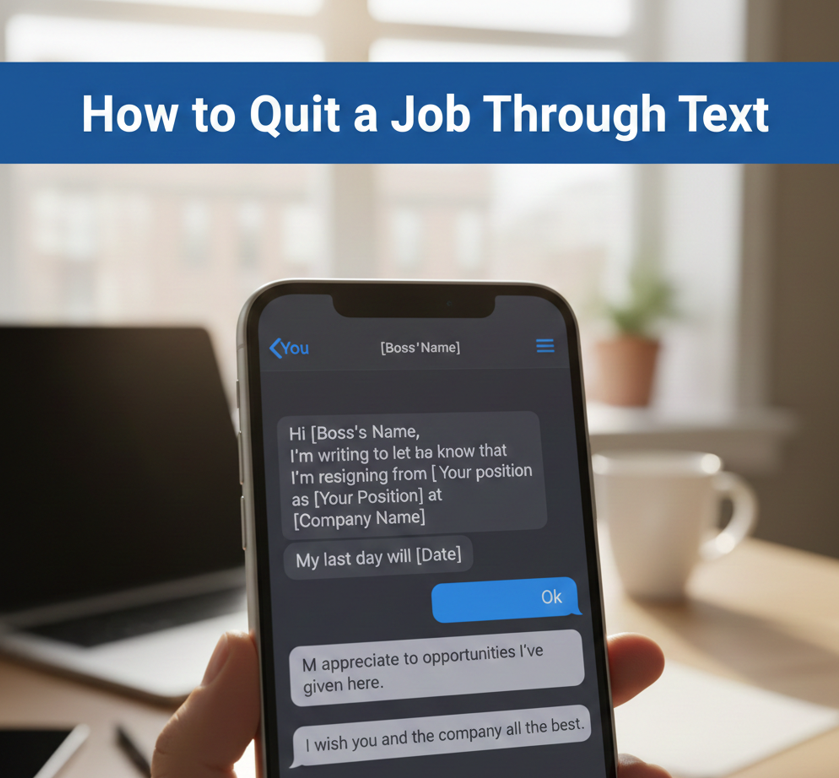
While similar to quitting over text, this focuses on written clarity and etiquette for a professional tone in short messaging apps or SMS.
. Craft a Professional Message: State your intention to resign clearly, mention your last working day, and keep it concise.
. Include Appreciation: Briefly thank your manager and team for their support and opportunities, which helps maintain goodwill.
. Offer Follow-Up Communication: Indicate readiness to discuss details via email, call, or in-person, which shows responsibility.
. Avoid Over-Explaining: Text messages should be direct; unnecessary details can create confusion or appear unprofessional.
. Maintain Neutral Tone: Ensure the text is polite, professional, and free from emotional or critical statements.
. Prepare for Immediate Dialogue: Be ready for your manager to respond instantly. Stay calm, professional, and clear in any follow-up conversation.
Also Read : How to Make Cold Foam: The Complete Barista-Level Guide for Perfect Coffee Topping
Conclusion
Knowing how to quit a job professionally ensures that your exit preserves relationships, reputation, and future opportunities. Whether leaving a new job, resigning without notice, or using text as a medium, careful planning, clear communication, and professionalism are essential. Proper handling of resignation helps maintain credibility, reduces stress, and paves the way for a positive career transition.
FAQs
Q1: Is it acceptable to quit a job without notice?
While sometimes necessary, leaving without notice should be reserved for emergencies or unsafe situations. Always communicate professionally.
Q2: Can I resign via text or email?
Yes, in remote work or urgent situations, but it’s best to follow up with a formal letter or meeting.
Q3: How soon should I submit my resignation after deciding to quit?
It’s best to inform your employer promptly once the decision is final to allow for a smooth transition
Visit For More Information Go To entrepreneurideas