

Knowing how to endorse a check correctly is an essential financial skill that many people overlook until something goes wrong. Whether you’re depositing a paycheck, signing a check over to someone else, using mobile deposit, or handling a check for a minor, proper endorsement ensures your money is processed securely and without delays.
This comprehensive guide explains every major type of check endorsement, common mistakes to avoid, legal considerations, and bank-specific rules. The information is based on standard U.S. banking practices, financial regulations, and real-world consumer banking experiences to ensure accuracy, trust, and authority.
What Does It Mean to Endorse a Check?
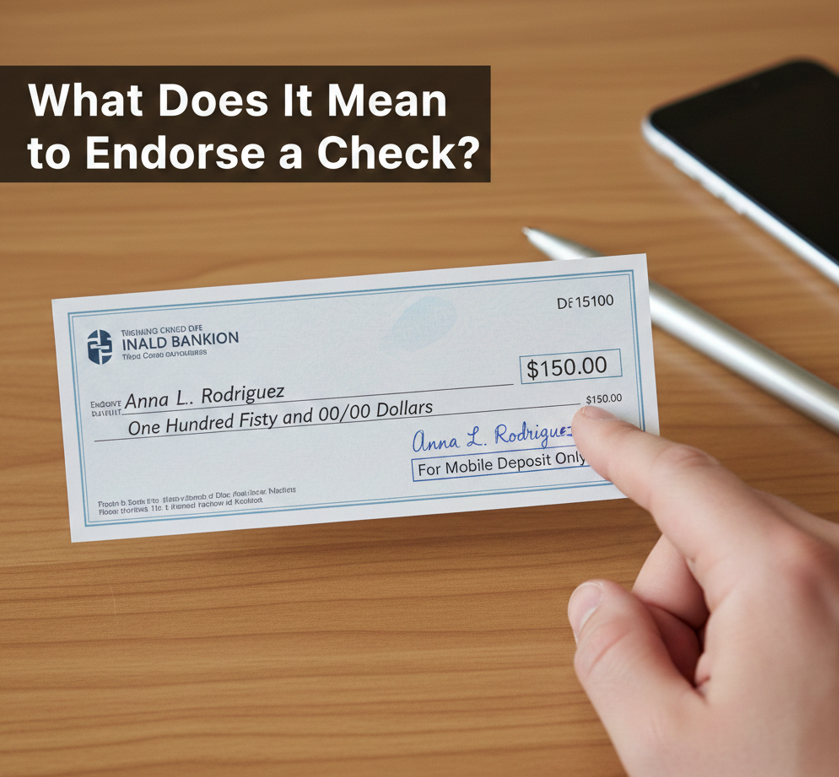
Endorsing a check means signing the back of the check to authorize how it can be deposited, cashed, or transferred. This signature tells the bank who has the legal right to receive the funds and how those funds should be handled.
A check without a proper endorsement may be rejected, delayed, or even flagged for fraud. Endorsements protect both the bank and the customer by creating a clear chain of authorization.
• Endorsements confirm ownership of funds
• Banks require endorsements for processing
• Different endorsements serve different purposes
• Incorrect endorsements can delay deposits
Understanding this concept is the foundation of safe money handling.
Read This:- How to Make Oobleck: The Complete Science-Backed Guide for Kids and Adults
Where to Sign on the Back of a Check
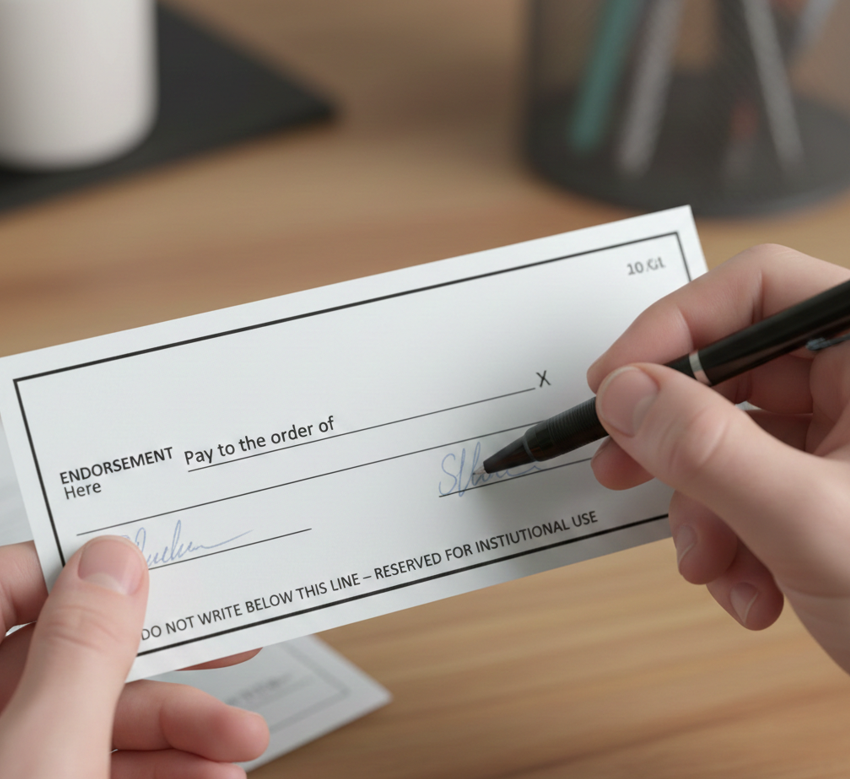
Most checks have a clearly marked endorsement area on the back, usually near the top.
This area often includes a line with text such as “Endorse Here” or “Do Not Write Below This Line.” Writing outside this area can interfere with bank scanning systems.
• Always sign in the endorsement box
• Avoid writing too close to edges
• Use permanent ink (blue or black)
• Never write on the front of the check
Correct placement prevents processing errors.
Read This:- How to Cancel Kindle Unlimited: The Complete Step-by-Step Guide
Types of Check Endorsements Explained
There are multiple endorsement types, each serving a specific banking purpose.
Choosing the wrong endorsement type can result in a rejected deposit or limited access to funds. Banks rely on endorsement wording to determine how money should move.
• Blank endorsement
• Restrictive endorsement
• Special endorsement
• Mobile deposit endorsement
Each type is explained in detail below.
How to Endorse a Check for Deposit Only
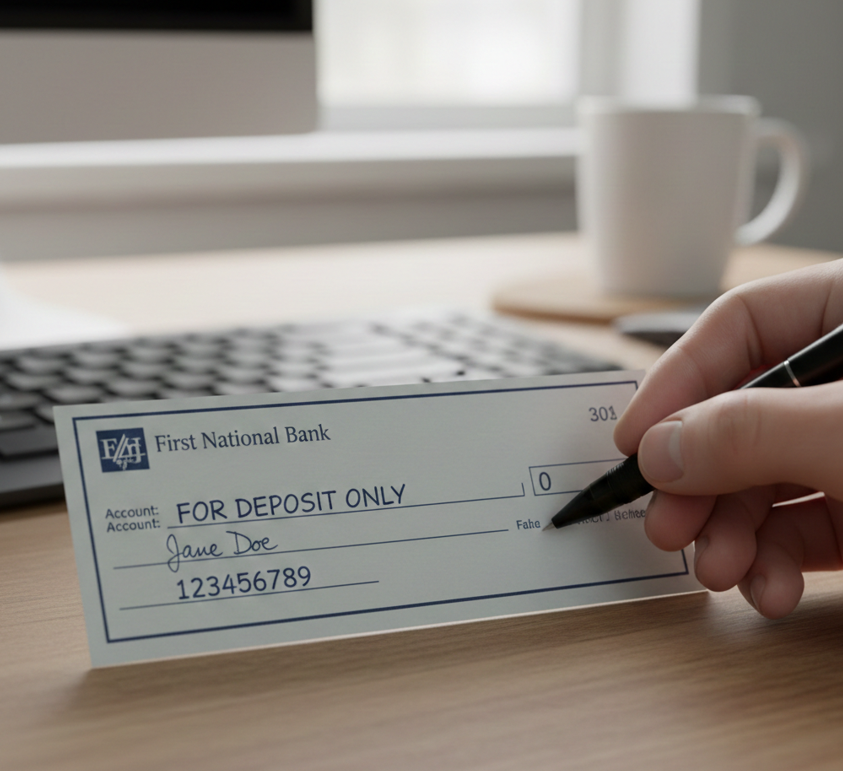
A “for deposit only” endorsement is one of the safest ways to handle a check.
This restrictive endorsement ensures the check can only be deposited into your account and cannot be cashed by anyone else if lost or stolen.
• Write “For Deposit Only”
• Include your bank account number
• Sign your name below the restriction
• Deposit through teller, ATM, or app
This method is highly recommended for mailed or high-value checks.
Read This:- How to Make Cold Foam: The Complete Barista-Level Guide for Perfect Coffee Topping
How to Endorse a Check for Mobile Deposit
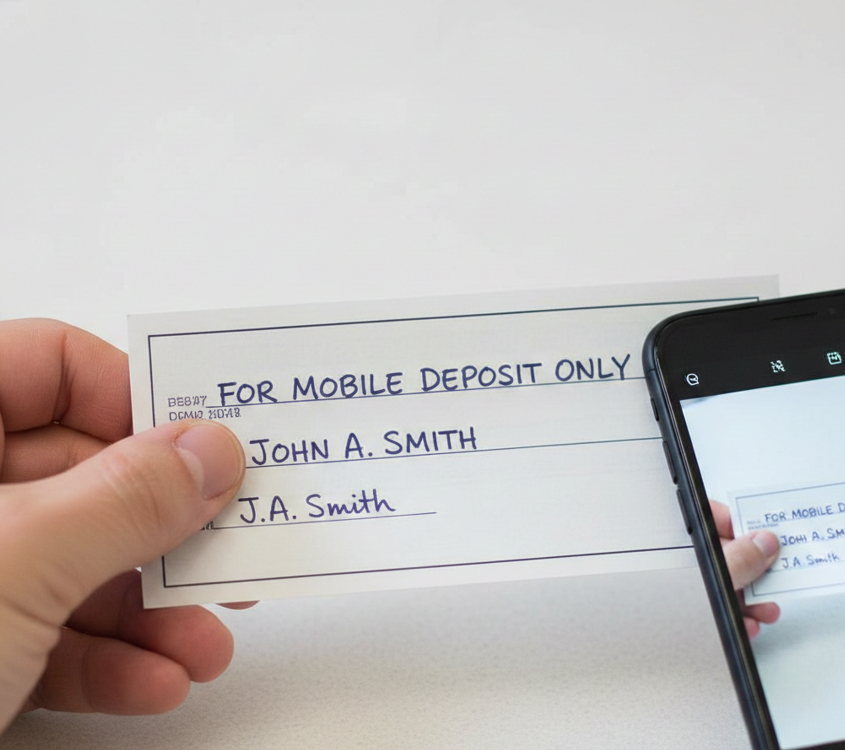
Mobile deposits require a specific endorsement format.
Most banks require a note indicating that the check is intended for mobile deposit only. Without this wording, the deposit may be rejected or reversed.
• Sign your full legal name
• Write “For Mobile Deposit Only”
• Add your bank’s name if required
• Follow app-specific instructions
Always keep the physical check for at least 14 days after deposit.
How to Endorse a Check for Mobile Deposit PayPal
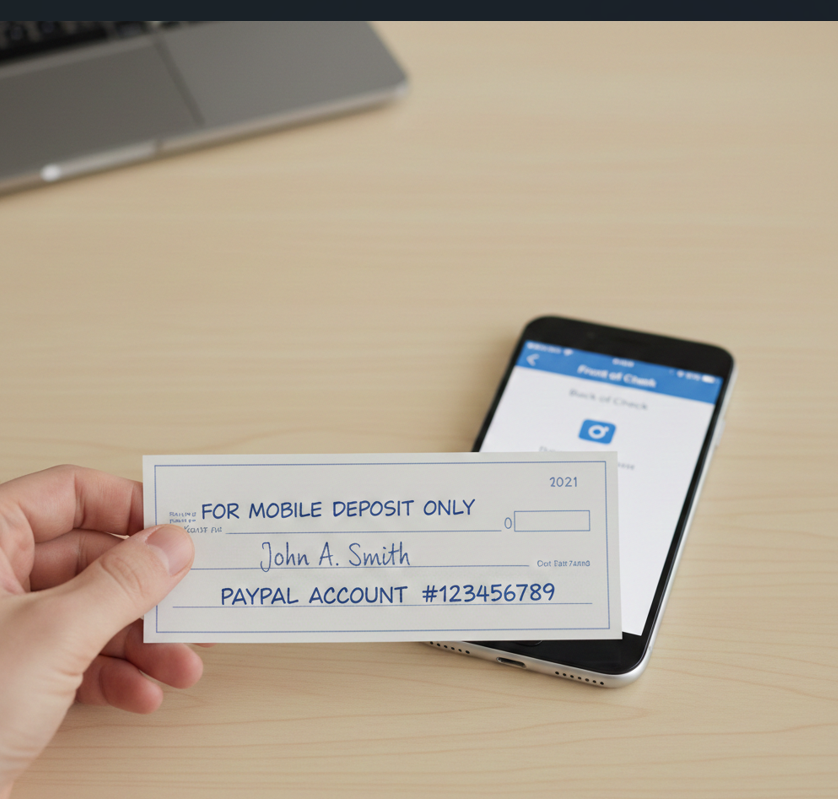
PayPal mobile check deposits have unique requirements.
PayPal partners with third-party banks, so endorsement rules are strict to prevent fraud and duplicate deposits.
• Sign your name clearly
• Write “For Mobile Deposit at PayPal”
• Ensure check matches your PayPal name
• Upload clear photos through the app
Failure to follow PayPal’s wording can result in rejection.
Read This:- How to Make Jello Shots: The Ultimate Step-by-Step Guide for Perfect Results
How to Endorse a Check to Someone Else
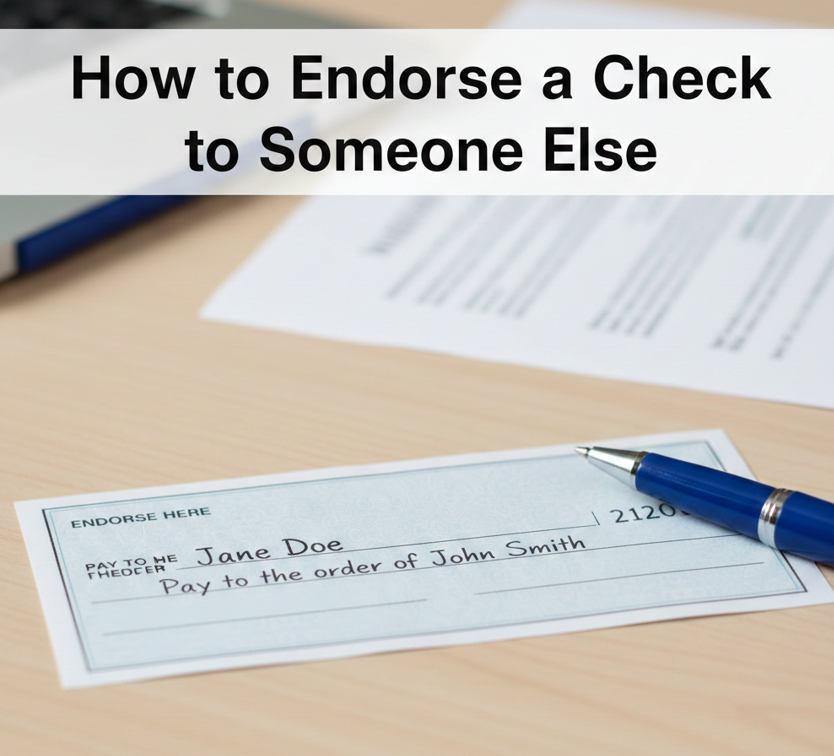
Signing a check over to another person is known as a special endorsement.
Not all banks accept third-party checks, so it’s important to confirm acceptance beforehand. Even when allowed, extra verification may be required.
• Write “Pay to the Order of [Name]”
• Sign your name below the instruction
• Ensure recipient brings valid ID
• Recipient deposits or cashes the check
Some banks restrict this for fraud prevention.
Read This:- How to Draw Stitch (Complete Beginner-to-Pro Drawing Guide)
How to Endorse a Check Over to Someone Else (Legal Considerations)
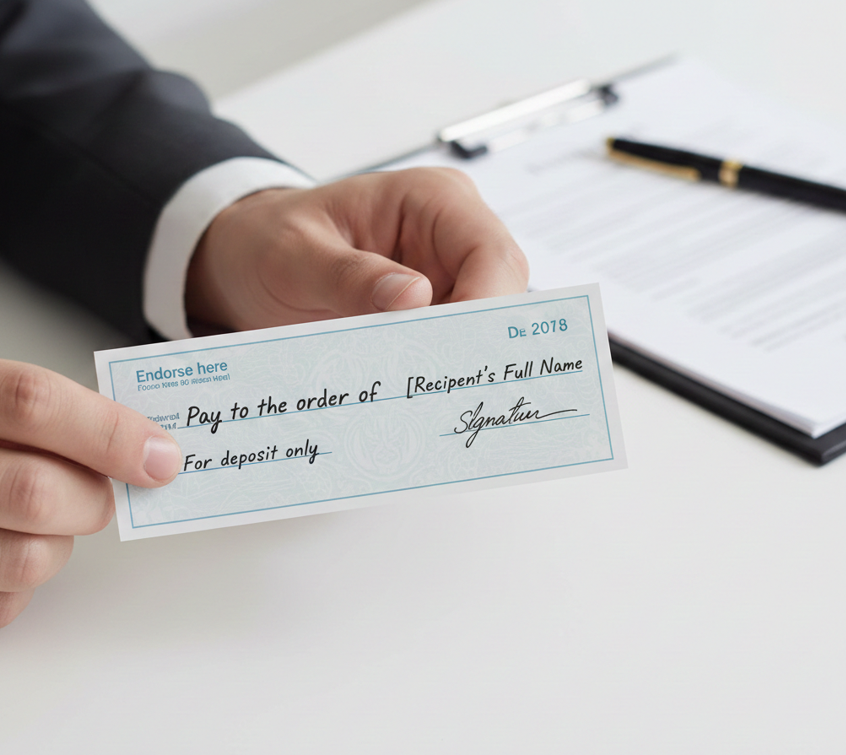
While endorsing a check to another person is legal, it comes with risk.
Once endorsed, you lose control over how and when the funds are used. If the check is lost, recovering the money can be difficult.
• Banks may refuse third-party checks
• Liability may remain with original payee
• Written agreements are recommended
• Large checks may require notarization
Always confirm bank policies before proceeding.
Read This:- How to Delete Stickers on iPhone (Complete Step-by-Step Guide)
How to Endorse a Check to Another Person (Best Practices)
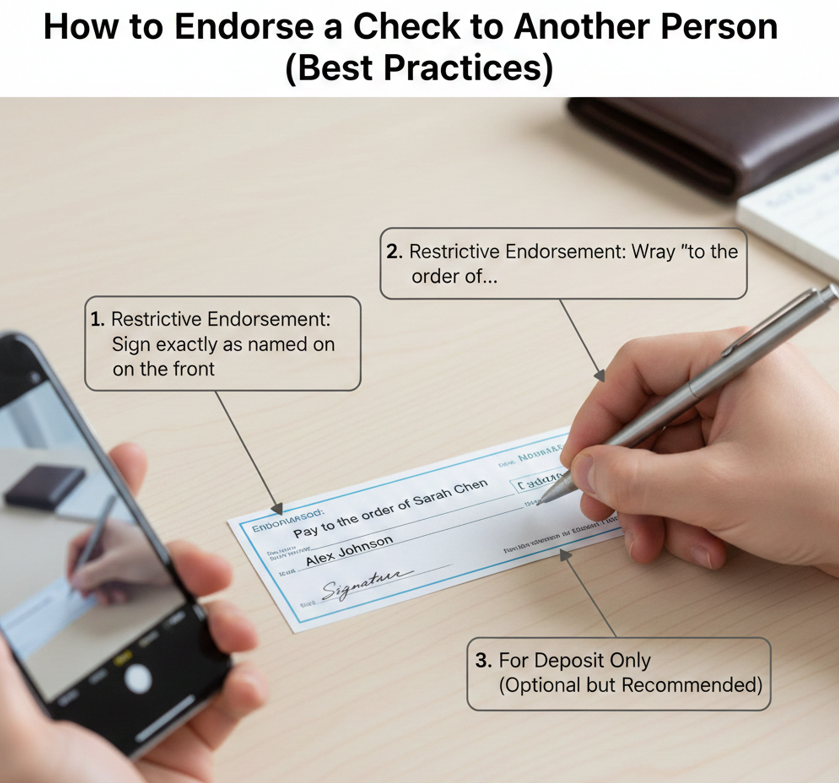
Using best practices reduces rejection risk.
Banks scrutinize third-party checks more closely due to fraud concerns, so accuracy and transparency matter.
• Use clear handwriting
• Match legal names exactly
• Avoid nicknames
• Go to the bank together if possible
Following these steps increases approval chances.
How to Endorse a Check for a Minor

Checks written to minors require special handling.
Minors typically cannot deposit checks alone. A parent or legal guardian usually must endorse the check and deposit it into a custodial or joint account.
• Minor signs their name (if able)
• Guardian signs beneath the minor’s name
• Add “Parent/Guardian of [Minor’s Name]”
• Deposit into appropriate account
Rules vary slightly by bank, so verification is important.
Common Mistakes to Avoid When Endorsing a Check
Simple errors can cause major delays.
Banks rely on automated systems, and even small mistakes can trigger manual reviews or rejections.
• Signing before knowing deposit method
• Using incorrect endorsement wording
• Writing outside endorsement area
• Forgetting required mobile deposit notes
Double-checking before depositing saves time.
What Happens If You Endorse a Check Incorrectly?
An incorrect endorsement doesn’t usually mean permanent loss—but it does cause delays.
Banks may return the check, request a correction, or place a temporary hold on funds.
• Bank may ask for re-endorsement
• Processing time may increase
• Funds may be held longer
• Fraud review may be triggered
Correcting mistakes promptly helps avoid complications.
Bank Rules and Policies on Check Endorsements
Each bank has its own endorsement policies.
While general rules apply nationwide, some institutions impose extra requirements for mobile deposits or third-party checks.
• Chase, Wells Fargo, Bank of America differ slightly
• Mobile deposit wording varies
• Some banks limit third-party checks
• Account history may affect approval
Always check your bank’s official guidelines.
Conclusion:
Understanding how to endorse a check correctly protects your money, prevents delays, and ensures smooth banking transactions. Whether you’re depositing a check, using mobile deposit, handling funds for a minor, or transferring a check to someone else, the correct endorsement method matters.
By following the steps and best practices outlined in this guide, you can confidently handle checks in any situation—securely, legally, and without unnecessary stress.
FAQs
Can I endorse a check before I know how I’ll deposit it?
It’s safer to wait, as different deposits require different wording.
Can I use pencil to endorse a check?
No. Always use permanent ink.
Can a bank refuse a properly endorsed check?
Yes, based on fraud prevention policies or account status
Visit For More Information Go To entrepreneurideas