
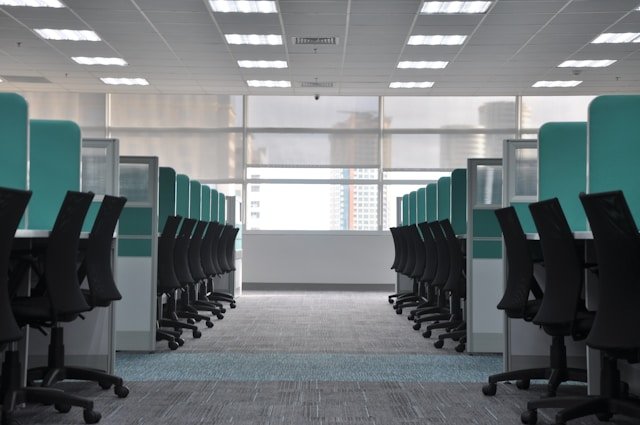
A Corporate Office is more than just a physical workplace—it’s the center of operations, collaboration, and productivity for modern organizations. As companies evolve, so do their office environments, adapting to new technologies, employee expectations, and business goals. Understanding what makes a corporate office efficient is essential for long-term success and employee satisfaction.
Importance of Corporate Offices in Modern Business
The importance of a Corporate Office has grown tremendously in recent years. Although technology has enabled remote work, the corporate office remains a central hub for key operations, strategic planning, and employee engagement. Offices help unify teams, strengthen company culture, and create a dedicated environment for collaboration and decision-making.
In many industries, face-to-face communication remains essential for building trust, coordinating complex projects, and developing innovative solutions. Corporate offices also serve as a symbolic representation of a company’s identity—reflecting its values, professionalism, and commitment to employees. While remote work is valuable, the physical office retains a vital place in business growth, offering structure, stability, and a shared experience that virtual communication cannot fully replace.
Key Elements of an Effective Corporate Office Setup
A productive Corporate Office requires more than desks and equipment. Effective offices are built on strategic design, functional layout, and supportive resources. Key elements include ergonomic furniture, flexible workspaces, well-equipped meeting rooms, and quiet zones for focus-heavy tasks.
Lighting, airflow, and sound control play critical roles in employee comfort and performance. Companies also integrate organizational tools, from digital whiteboards to collaborative platforms, ensuring teams have everything needed to perform efficiently. A well-planned office reduces distractions, supports workflow, and enhances overall employee satisfaction.
Also Read This:- MerchantCircle.com Add Business: A Complete Guide to Listing and Growing Locally
Office Layout Types and Their Advantages
Different industries favor different office layouts, and choosing the right one greatly influences productivity. One of the most common layouts is the open office, where teams share collaborative spaces. This layout encourages communication, teamwork, and creative problem-solving.
Another option is the private office layout, preferred by companies requiring confidentiality, deep focus, or executive privacy. Hybrid layouts blend private offices with common areas, supporting both collaboration and concentration.
More modern options include activity-based workspaces, where employees choose their work setting depending on the task. From quiet nooks to team pods, these environments give employees greater flexibility. When chosen correctly, the layout enhances communication, reduces stress, and boosts efficiency.
Technology and Digital Tools in Corporate Offices
Technology forms the backbone of a modern Corporate Office. Digital tools streamline communication, automate repetitive tasks, and facilitate remote collaboration. Cloud storage systems allow employees to access documents anytime, while project management platforms keep teams aligned and organized.
Video conferencing, digital scheduling displays, AI-powered data systems, and automated office management tools elevate workplace efficiency. Many offices now integrate smart systems to control lighting, climate, and security. By embracing the right technologies, businesses enhance productivity, improve communication, and create a forward-thinking environment that supports growth.
Corporate Office Culture and Employee Relations
Corporate culture plays a major role in shaping how employees interact, collaborate, and view their workplace. A strong Corporate Office culture encourages teamwork, respect, accountability, and inclusivity. When employees feel valued, they demonstrate greater loyalty, creativity, and productivity.
Effective communication channels—like open discussions, feedback sessions, mentorship programs, and team-building activities—strengthen employee relations. Corporate offices that support a positive culture also experience lower turnover rates, better performance, and a more energized workforce.
Workplace Productivity and Organizational Efficiency
The effectiveness of a Corporate Office directly impacts productivity. Efficient workplaces reduce distractions, streamline workflows, and allow employees to perform tasks with minimal interruptions. Organizational efficiency involves optimizing time management, delegating tasks properly, and ensuring all departments collaborate seamlessly.
Companies often enhance productivity by providing training programs, setting clear expectations, and promoting a healthy work-life balance. Accessible resources, supportive management, and well-designed work environments empower employees to deliver their best performance.
Corporate Office Design Trends
Design trends within Corporate Office environments have shifted significantly in the last decade. Today’s offices focus on flexibility, comfort, and aesthetics. Biophilic design—incorporating natural elements like plants, natural light, and earth-toned materials—has become extremely popular due to its calming effect.
Modern offices integrate lounge-style seating, creative brainstorming spaces, and wellness rooms to reduce stress. Multi-purpose areas that can transform from meeting rooms to training spaces also reflect current trends. Bright colors, inspiring artwork, and smart lighting systems further improve mood and creativity. Companies increasingly realize that visually appealing workplaces contribute to employee motivation and success.
Health, Safety, and Workplace Comfort
A safe and comfortable Corporate Office is essential for employee well-being. Ergonomic chairs, adjustable desks, and proper screen positioning reduce physical strain. Air quality, clean environments, and controlled temperatures help maintain health and energy levels.
Safety protocols, including fire exits, emergency plans, and workplace training, ensure employees feel secure. Wellness programs—such as mental health support, fitness initiatives, and break areas—also strengthen employee performance. A focus on health and comfort results in fewer workplace injuries, improved morale, and higher job satisfaction.
Hybrid Work Models and Remote Integration
Hybrid work has reshaped the role of the Corporate Office. Companies now blend remote work with in-office collaboration, offering employees flexibility while maintaining structure. Hybrid models require offices to provide adaptable spaces suitable for meetings, creative sessions, and team bonding.
Technology plays a huge role in integrating remote employees through video conferencing tools, cloud platforms, and shared digital resources. Hybrid offices reduce overcrowding, lower operational costs, and improve work-life balance, making them a popular choice for modern businesses.
Sustainability Practices in Corporate Offices
Sustainability is becoming a core part of Corporate Office design and operation. Companies implement eco-friendly practices such as energy-efficient lighting, recycling programs, and reduced paper use. Green certifications—like LEED—encourage offices to adopt sustainable construction materials and low-emission technologies.
Using renewable energy, promoting reusable products, and reducing waste not only benefit the environment but also improve brand reputation. Sustainability initiatives often lower long-term costs and reflect a company’s commitment to corporate responsibility.
Also Read This:- The Role of nebius stock in Business Expansion Strategies
Challenges Faced by Corporate Offices Today
Despite their importance, Corporate Office environments face several challenges. Rising operational costs, technological upgrades, and evolving employee expectations require businesses to constantly adapt. Hybrid work models complicate space planning, often leading companies to restructure office layouts.
Talent retention is also a challenge. Employees now seek workplaces that offer flexibility, comfort, and positive culture. Security concerns—both digital and physical—require continuous investment in protective systems. Still, companies that address these challenges proactively remain competitive and efficient.
Conclusion
A Corporate Office is the beating heart of a company’s operations, collaboration, and culture. From effective layouts and advanced technologies to employee-friendly environments and sustainable practices, every aspect contributes to workplace efficiency. As the modern workforce evolves, corporate offices must remain adaptable, forward-thinking, and supportive. Businesses that invest in optimized office environments ultimately foster stronger teams, greater innovation, and long-term growth.
FAQs
What is the purpose of a corporate office?
A corporate office serves as a central space for operations, collaboration, planning, and decision-making.
How can a corporate office improve productivity?
By using ergonomic furniture, organized layouts, digital tools, and supportive management practices.
What technology is essential for modern offices?
Cloud systems, collaboration platforms, smart office tools, and communication software.
What are common corporate office layouts?
Open offices, private offices, hybrid layouts, and activity-based spaces.
Why are sustainability practices important in offices?
They reduce costs, protect the environment, and improve company reputation.
Visit For More Information Go To entrepreneurideas